Sesame Bok Choy Stir-Fry (The Two-Stage Method for Zero Soggy Greens)
Tested & Approved
by Sophie Lane
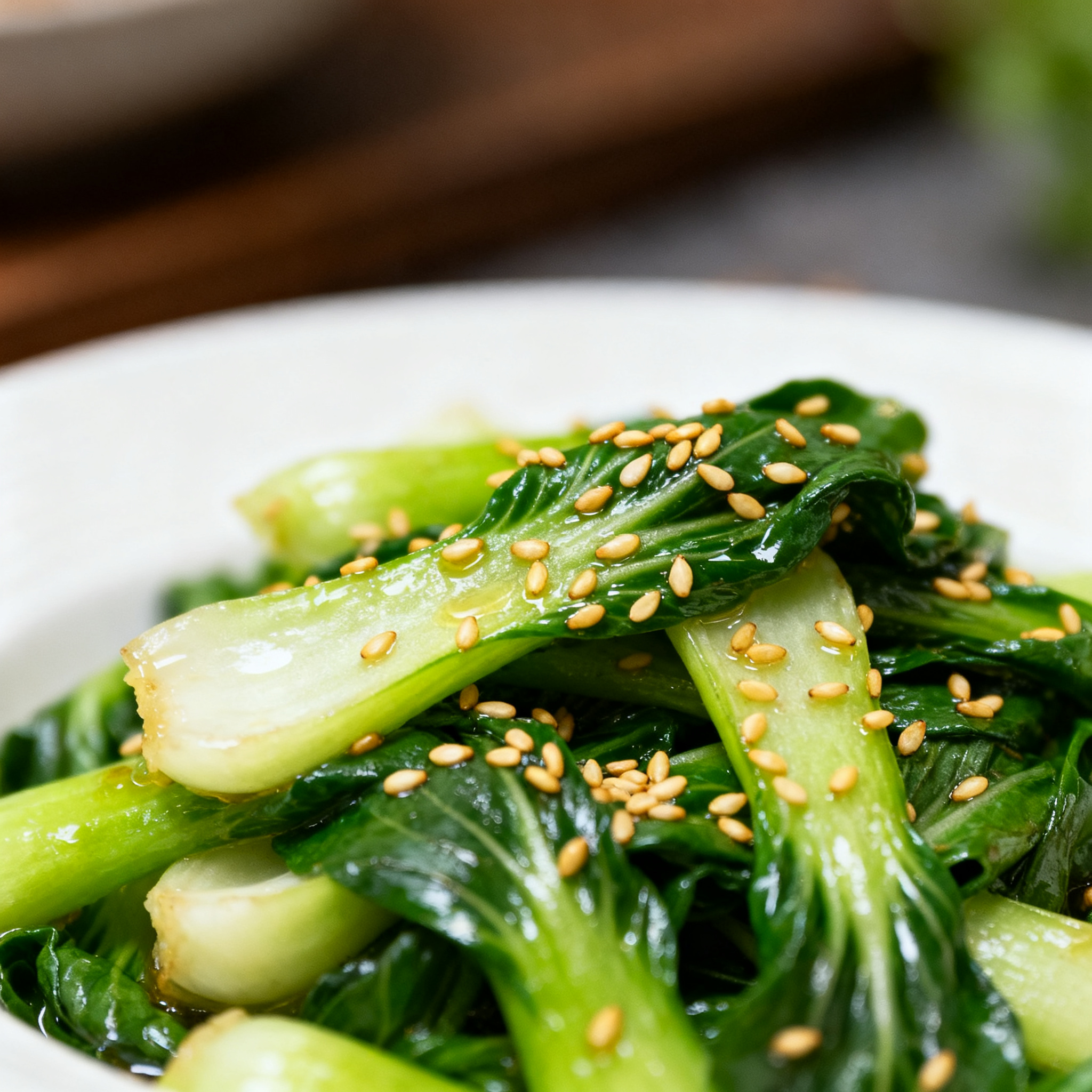
This is the bok choy stir fry recipe that fixes the one thing that ruins every other version: soggy, waterlogged leaves. By searing the crunchy stalks separately from the leafy tops and finishing with a toasted sesame paste instead of a thin drizzle of oil, you get charred edges, crisp-tender bite, and a sauce that actually sticks instead of pooling at the bottom of the bowl.
Published: August 13, 2026
Simple, everyday ingredients and clear, step-by-step instructions — every recipe made in Dorothy"s kitchen before it reaches yours. Jump to the full recipe card below.
PrintSesame Bok Choy Stir-Fry (The Two-Stage Method for Zero Soggy Greens)
Crisp-tender bok choy stir-fried in two stages with a toasted sesame paste and a garlic-chili oil sizzle for maximum flavor with zero sogginess.
- Prep Time: 15 minutes
- Cook Time: 10 minutes
- Total Time: 25 minutes
- Yield: 4 1x
- Method: Stir-fry
- Cuisine: Asian-inspired
Ingredients
- 1 1/2 lbs (680g) baby bok choy (about 6–8 heads), or 1 large head regular bok choy
- 3 tbsp neutral oil (avocado or grapeseed), divided
- 2 tbsp sesame seeds
- 1 tbsp toasted sesame oil
- 3 cloves garlic, minced
- 1 tbsp fresh ginger, minced
- 1–2 fresh red chilies, thinly sliced, or 1/2 tsp chili flakes (optional)
- 2 tbsp soy sauce (or tamari for gluten-free), divided
- 1 tbsp rice vinegar
- 1 tsp sugar or honey
- 1/2 tsp cornstarch mixed with 1 tbsp water
- 2 scallions, thinly sliced
- Flaky salt, to taste
Instructions
- Trim the bok choy and separate the pale stalks from the leafy green tops. If using regular bok choy, cut stalks into 1-inch pieces and roughly chop the leaves. Wash thoroughly, then spin and pat completely dry — this is the step that prevents soggy stir-fried greens.
- Toast the sesame seeds in a dry skillet over medium heat until golden, about 2 minutes. Set half aside for garnish. Crush the remaining half with the sesame oil, 1 teaspoon soy sauce, and the rice vinegar into a rough paste using a mortar and pestle or the flat of a knife.
- In a small bowl, whisk together the remaining soy sauce, sugar, and cornstarch slurry. Set aside.
- Heat a wok or large skillet over high heat until it"s just starting to smoke. Add 1 1/2 tablespoons oil, then the bok choy stalks in a single, mostly uncrowded layer (work in batches if needed). Let them sear undisturbed for 1-2 minutes until charred at the edges, then toss and cook another minute until crisp-tender. Transfer to a plate.
- Add the remaining oil to the pan if needed, add the leafy greens, and toss quickly for 30-45 seconds, just until wilted but still bright green. Return the stalks to the pan.
- Push everything to the side, pour the sauce and sesame paste into the center, let it bubble for 10 seconds, then toss to coat evenly, about 30 seconds. Remove from heat.
- In a small pan, heat the last tablespoon of oil until shimmering. Put the garlic, ginger, and chili in a heatproof bowl and pour the hot oil over them — it should sizzle audibly. Pour this straight over the bok choy.
- Garnish with the reserved toasted sesame seeds and scallions. Serve immediately.
Notes
Dry the bok choy completely before it hits the pan — this matters more than any other step. Don"t skip searing the stalks separately; that"s what gives you charred edges instead of a uniformly mushy texture. The sesame paste keeps in the fridge for about a week, so double it and stir extra into steamed rice or noodles. Watch the leaves closely in step 5 — they go from perfectly wilted to overcooked in under 15 seconds.
Here"s the mistake almost every bok choy stir fry recipe makes: it treats the stalks and the leaves as one ingredient. They"re not. The pale stalks are dense and watery and need real heat and time to char; the leafy tops are delicate and go from crisp to slimy in under a minute. Dump them into the pan together — especially if the pan is crowded — and the moisture they release has nowhere to go. The bok choy steams in its own runoff instead of searing, and you end up with that dull, gray-green, faintly bitter puddle everyone associates with ‘healthy" stir-fried greens. The fix is a two-stage sear: stalks go into a screaming-hot, mostly empty wok first and get left alone long enough to blister, then the leaves go in for a fast 30-second toss just to wilt.
The other non-negotiable is drying the bok choy completely after washing. I mean spin it, then pat it with a towel, then let it air out for a few minutes if you have time. Every drop of clinging water is a drop of steam waiting to happen the second it hits hot oil. Cook in batches if your pan can"t hold everything in a single, mostly-uncrowded layer — a crowded pan drops in temperature and guarantees steaming no matter how dry your greens are. This sounds fussy for a stir-fry, but it"s the entire difference between limp and lacquered.
For the sauce, skip the standard move of just splashing sesame oil and scattering raw seeds on top at the end — it beads up and slides right off wilted leaves instead of coating them. Toast the sesame seeds first, then crush half of them into a rough paste with sesame oil, a little soy sauce, and rice vinegar. That paste has body, so it clings to every leaf instead of collecting in a slick at the bottom of the bowl, and toasting deepens the nutty flavor in a way raw seeds never will. I also hold the garlic, ginger, and chili out of the pan entirely and bloom them in hot oil at the very end, pouring the sizzling mixture straight over the finished dish — this keeps the aromatics sharp and fragrant instead of scorched and bitter, which is what happens to minced garlic left in a hot wok for the full cook time.
This scales easily: add cubed firm tofu or shrimp to the stalk stage for a full meal, swap in gai lan or broccolini if bok choy"s not in season, or double the sesame paste and stir the extra into rice. Regular bok choy works fine instead of baby bok choy — just cut the stalks smaller since they"re denser and take slightly longer to char.
Frequently Asked Questions
What's the secret to a bok choy stir fry recipe that doesn't turn out soggy?
Dry the bok choy thoroughly after washing, and cook the stalks and leaves in two separate stages over high heat rather than dumping everything into the pan at once — crowding the pan or adding wet greens causes them to steam instead of sear.
Can I use regular bok choy instead of baby bok choy?
Yes. Cut the stalks into smaller, 1-inch pieces since they're denser than baby bok choy stalks, and roughly chop the leaves. The two-stage cooking method still applies.
How do I get the glossy, clingy sauce instead of a watery one?
Use the toasted sesame paste rather than a plain sesame oil drizzle, and add the small cornstarch slurry to the sauce — both give it enough body to coat the leaves instead of pooling at the bottom of the bowl.
Is this bok choy stir fry recipe gluten-free?
Yes, as long as you swap the soy sauce for tamari or a certified gluten-free soy sauce; everything else in the recipe is naturally gluten-free.
Can I add protein to make this a full meal?
Absolutely — cubed firm tofu, shrimp, or thinly sliced chicken can be seared alongside the stalks in the first stage, then set aside and returned to the pan with the sauce in step 6.
Get our 10 best recipes — free
Join the Rapid Recipes newsletter and we’ll email you our 10 most-loved recipes as a free PDF.
Free PDF + new recipes every week. Unsubscribe anytime.