
Best Butternut Squash Casserole Recipe
Introduction
Is there anything more comforting than a warm, bubbling dish straight from the oven on a crisp autumn day? This feeling of pure coziness is exactly what you get with this incredible Butternut Squash Casserole. It transforms the humble squash into a show-stopping side dish that is both decadent and nourishing, making it the perfect centerpiece for your holiday table or a special weeknight dinner.
Butternut Squash Casserole is a classic comfort food dish that combines creamy, mashed butternut squash with a rich, savory custard and a delightfully crunchy topping. Its significance lies in its versatility because it can be a sweet or savory masterpiece depending on your chosen herbs and spices. This recipe aligns perfectly with our mission to create approachable, from-scratch meals that deliver maximum flavor without maximum effort. While the squash roasts to caramelized perfection, you can easily whip up a simple Simple Green Salad to serve alongside it. The best part is that this casserole can be assembled ahead of time, so it makes a fantastic Make-Ahead Thanksgiving Side that reduces day-of stress and lets you actually enjoy the celebration.
Why I Love This Recipe
I absolutely adore this Butternut Squash Casserole because it tastes like a hug in a baking dish. It reminds me of family gatherings at my grandmother’s house, where the table was always overflowing with love and delicious food. I love how the natural sweetness of the squash plays so beautifully against the savory, crispy topping, creating a symphony of textures and flavors in every single bite. It’s the side dish that everyone always asks for seconds of, and that makes me so happy.

Health and Nutrition
Why it’s good for your body
Butternut Squash Casserole delivers impressive health benefits because it centers on a nutrient-dense vegetable. This dish is rich in vitamin A, which supports strong vision and immune function, while its high vitamin C content acts as a powerful antioxidant. You also get a great source of dietary fiber from this meal, so it promotes healthy digestion and helps you feel full longer. Although it feels like a comfort food, Butternut Squash Casserole provides essential minerals like potassium and magnesium for heart and muscle health. Enjoying this casserole means fueling your body with a wide range of nutrients that work together for overall wellness.
How it fits in a healthy lifestyle
This casserole fits beautifully into a balanced diet because it combines complex carbs, vitamins, and flexibility. It is naturally gluten-free when prepared with certified gluten-free oats or breadcrumbs, and it can easily be made vegetarian or vegan. For a protein boost, add lean chicken or lentils to make it more filling. Butternut Squash Casserole supports practical healthy eating since you can make it ahead for quick weeknight meals. Serve it with a fresh green salad for a balanced plate. If you need more ideas for nutritious eating, check out our meal prep ideas to keep your routine simple and satisfying.
PrintButternut Squash Casserole
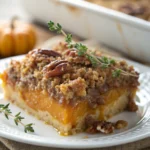
This butternut squash casserole has all the flavors of fall with apples, sweet sausage, caramelized fennel and onions, plus Gruyere cheese!
- Method: Sides
Ingredients
- 1 (2 ½ to 3 pound) butternut squash, peeled, seeded and cut into 1-inch cubes
- 2 tablespoons olive oil
- Salt
- Black pepper
- 1 pound sweet Italian sausage, casings removed
- 1 large fennel bulb, cored and thinly sliced (fronds reserved for garnish)
- 1 large yellow onion, halved and thinly sliced
- 2 cloves garlic, pressed through garlic press
- ½ teaspoon dried thyme
- ¼ teaspoon ground nutmeg
- 2 medium apples (such as Honeycrisp or Fuji), peeled, cored and cut into ½-inch cubes
- 1 cup Gruyere cheese, grated
- ½ cup heavy cream
- 2 large eggs
- ¼ cup grated Parmesan cheese
- ¼ cup panko breadcrumbs
- 2 tablespoons melted butter
Instructions
- Preheat the oven to 400°, and line a baking sheet with parchment paper.
- Add the cubed butternut squash to the baking sheet, drizzle with the 2 tablespoons of olive oil, plus a couple of pinches of salt and pepper, and toss to coat; roast for 30 minutes, or until tender and lightly caramelized; remove from oven and allow to cool slightly. (Leave oven on.)
- While the squash roasts, prepare the remainder of the casserole: place a large skillet over medium-high heat, and add in the sausage; cook, breaking up the meat with a spoon, until cooked through and no longer pink, about 8-10 minutes; use a slotted spoon to remove the sausage from the skillet and onto a plate/bowl, and set aside for a moment.
- To the same skillet (with the sausage drippings), add the sliced fennel and the onion, and sauté for about 15-20 minutes, or until very soft and caramelized, stirring frequently; add a couple of pinches of salt and pepper as they cook.
- Once the fennel and onion are caramelized, add in the garlic, the thyme and the nutmeg, and stir to combine; next, add in the diced apples, and stir to combine; allow the apples to cook for about 2-3 minutes, just to soften slightly.
- Add the sausage back into the skillet, along with the roasted butternut squash, and gently fold all ingredients together to combine; turn the heat off.
- In a medium-size bowl, whisk together the Gruyere cheese, the heavy cream and the eggs, plus a pinch or two of salt and pepper, until smooth and well-combined.
- Pour the cheese/cream mixture over the sausage/veggie mixture, and gently fold to incorporate.
- Transfer the mixture to a buttered 9” x 13” baking dish, and spread into an even layer; set aside for a moment.
- Prepare the topping by combining the Parmesan cheese with the panko breadcrumbs and the melted butter, plus a pinch of salt and pepper, and stir with a fork to combine; sprinkle this over the casserole in an even layer.
- Place the casserole into the 400° oven to bake for 30-35 minutes, or until hot and bubbly, and the topping is golden-brown.
- Allow the casserole to stand for 10 minutes before serving; garnish with some of the reserved fennel fronds, if desired.
Notes
Allow the casserole to stand for 10 minutes after baking for easier serving. Garnish with reserved fennel fronds for a fresh, decorative touch. Leftovers can be stored covered in the refrigerator for up to 3 days and reheated in the oven.
Nutrition
- Calories: 450
- Sugar: 12
- Sodium: 650
- Fat: 28
- Saturated Fat: 12
- Unsaturated Fat: 14
- Trans Fat: 0
- Carbohydrates: 35
- Fiber: 6
- Protein: 18
- Cholesterol: 110

How to Prepare This Dish
Steps and time-saving tips
First, preheat your oven to 375°F and generously grease your baking dish. Meanwhile, peel and cube your butternut squash; however, for a huge time-saving shortcut, grab a bag of pre-cubed squash from the produce section. Next, steam or boil the squash until it becomes perfectly fork-tender. While that cooks, let’s create the creamy sauce. In a large bowl, whisk together the eggs, milk, melted butter, and brown sugar until the mixture is completely smooth. Subsequently, gently fold in the cooked, drained squash, and don’t forget a generous pinch of salt and your favorite warm spices like cinnamon and nutmeg. Pour this entire mixture into your prepared dish. For the final touch, combine the crunchy pecan and oat topping in a small bowl, and then evenly sprinkle it over the creamy squash base. Finally, bake your Butternut Squash Casserole for 25-30 minutes, or until the top is golden and the center is set. Let it rest for a few minutes before serving, as this allows everything to set up beautifully.
Mistakes I’ve made and learned from
I’ve definitely learned a few lessons the hard way with this dish. Initially, I would undercook the squash, which resulted in a frustratingly crunchy texture in the final bake. Now, I make absolutely sure it’s completely soft before mixing. Furthermore, I once completely forgot to grease my dish, leading to a disastrous cleanup situation and a casserole that stuck in ugly chunks. My best advice is to never skip that crucial first step! Another common error is overmixing the filling after adding the squash; you want to fold it gently to maintain some of that wonderful texture. For more tips on avoiding common pitfalls, check out my guide on avoiding common baking mistakes. Also, if you’re nervous about prepping the squash itself, my knife skills basics post will build your confidence quickly.

Cultural Connection and Variations
Where this recipe comes from
This comforting dish finds its deepest roots in the heart of Southern American cooking, although its story truly begins with Native American cultivation of squash. Generations of home cooks have embraced the butternut squash for its sweet, nutty flesh and incredible versatility. Families often pass down their specific recipe for Butternut Squash Casserole like a cherished heirloom, with each version telling its own story.
Some preparations lean savory with a cracker or breadcrumb topping, while others proudly feature a sweet, marshmallow-dotted crust, a tradition that echoes the classic sweet potato casserole. The act of baking it in a large dish signifies its role as a centerpiece, meant for sharing and nourishing a crowd during the crisp autumn and winter months. No matter the specific ingredients, the essence of this Butternut Squash Casserole remains the same: it is a warm, hearty embrace on a plate, a celebration of harvest and home.
How it fits in today’s cooking
Butternut Squash Casserole remains a beloved staple today, especially as a star side dish on holiday tables from Thanksgiving through Christmas. Its relevance extends far beyond special occasions, because it’s also a fantastic way to create a satisfying vegetarian comfort food dinner on any chilly weeknight.
Modern cooks are constantly reimagining this classic, so you will find fantastic dairy-free and vegan versions that use coconut milk or nutritional yeast. Others are boosting the protein content by blending in lentils or white beans for a more complete meal. Some creative chefs even treat it like a savory bread pudding, adding cubes of day-old bread to soak up all the creamy, spiced goodness. This flexibility makes it a perfect canvas for personalization, even though its core comforting identity never changes. You can easily turn your leftover casserole into a whole new experience; simply pan-fry a slice for a incredible next-day breakfast, similar to the techniques you might use for our savory breakfast hash.
Taste and Texture
What makes it delicious
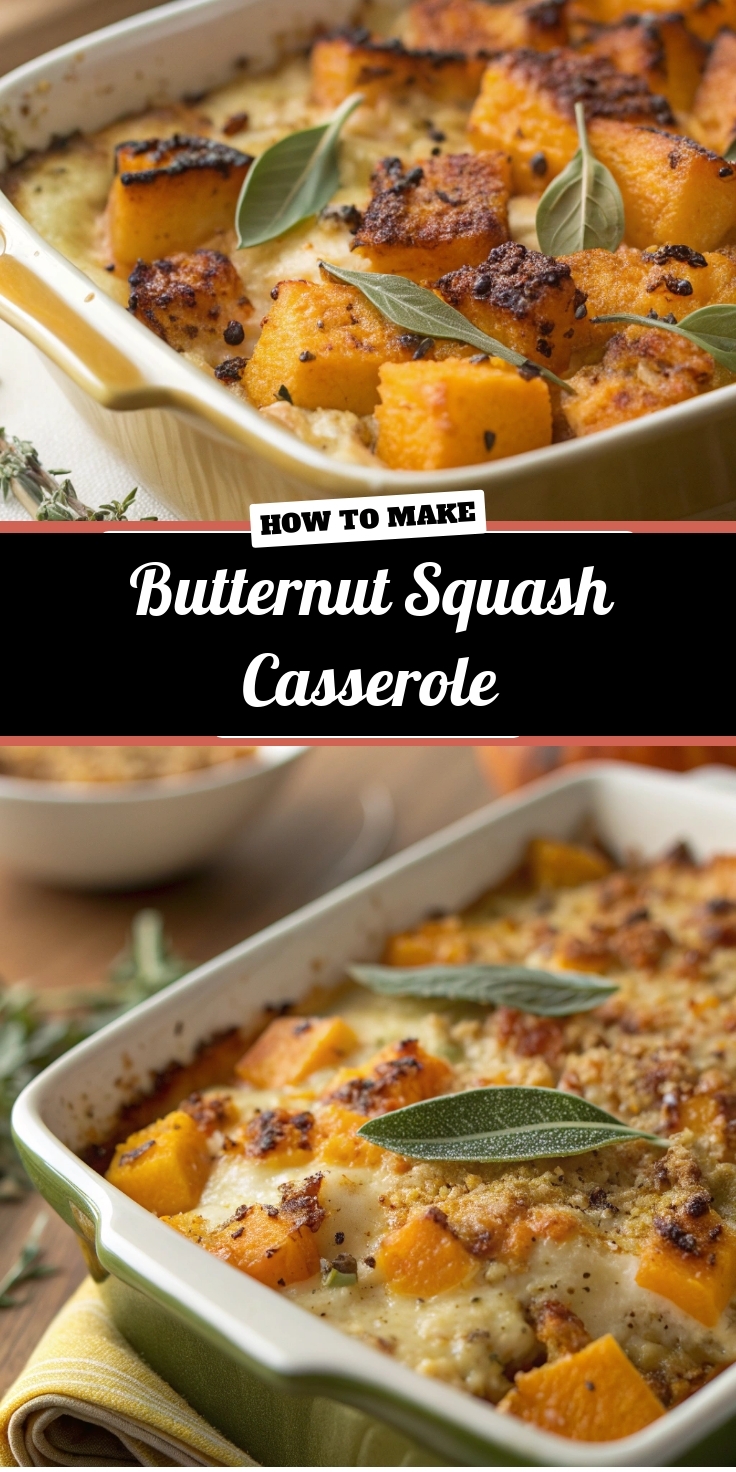
This Butternut Squash Casserole delivers a masterful contrast of textures and a deeply comforting flavor profile. You are first greeted by a wonderfully crisp and golden-brown pecan streusel topping, which provides a satisfying crunch with every bite. As you break through that layer, you discover the heart of the dish: a luxuriously creamy and velvety smooth squash filling. The natural sweetness of the roasted butternut squash shines through, because it is perfectly balanced by the rich, savory notes of melted butter and aromatic spices like nutmeg and cinnamon. Each mouthful is incredibly tender and almost melts on your tongue, while the subtle, fragrant undertones of vanilla and brown sugar weave through the experience. The overall sensation is one of cozy warmth, making this Butternut Squash Casserole a true celebration of autumn’s best flavors. It feels both indulgent and wholesome, so it satisfies your craving for something decadent without being overly heavy. The final result is a harmonious blend that is simultaneously airy, rich, and utterly delicious from the first spoonful to the last.
Boosting the flavor
You can easily elevate this classic dish with a few simple yet impactful tweaks. Consider swapping the pecans in the topping for candied walnuts, as they add an extra layer of sweetness and crunch that complements the creamy squash beautifully. A dollop of tangy crème fraîche or a drizzle of our easy salted caramel sauce right before serving introduces a wonderful sweet-and-salty complexity. For a more savory twist, try folding in some crispy fried sage or a pinch of smoked paprika into the filling, because these ingredients provide a sophisticated, earthy depth. Do not forget the power of spices; a homemade pumpkin spice blend can be fresher and more potent than pre-made versions, so it will make the entire casserole taste more vibrant and fragrant. Finally, a sprinkle of flaky sea salt over the finished dish just before serving will heighten all the other flavors and make each component truly sing.
Tips for Success
Best practices for results
For the best flavor and texture, always roast your butternut squash cubes before adding them to the casserole, because this step caramelizes the natural sugars and concentrates the flavor. Use full-fat dairy products like heavy cream or whole milk for your sauce, so the final dish is luxuriously rich and creamy instead of watery. Furthermore, season each component generously as you build your Butternut Squash Casserole, although you should always do a final taste test of the filling before baking. Finally, allow the baked casserole to rest for at least 15 minutes before serving, which makes it much easier to slice and serve neat portions.
Mistakes to avoid
A common mistake is undercooking the squash beforehand, which results in a frustratingly crunchy texture in the final bake; therefore, always pierce a piece with a fork to ensure it is completely tender. Another error is adding a streusel or breadcrumb topping too early, even though it seems convenient, because it will burn before the center is hot; instead, add the topping during the last 15-20 minutes of baking for perfect browning. Be cautious not to overmix the filling once you add the eggs, as this can incorporate too much air and lead to a soufflé-like texture that may deflate, unlike the dense, custardy consistency you want for a classic savory casserole. Also, remember that different ovens heat differently, so always use an instant-read thermometer to check that the center has reached a safe temperature, a fundamental tip we also emphasize in our guide on how to tell when protein is fully cooked.
Serving and Pairing Suggestions
How to serve this dish
Present your beautiful Butternut Squash Casserole straight from the oven in its baking dish for a rustic, family-style feel. For individual servings, use a large spoon to create clean scoops on each plate. Furthermore, a final flourish of fresh chopped parsley or a sprinkle of toasted pepitas adds a wonderful pop of color and texture. This dish truly shines during holiday feasts like Thanksgiving, but it also makes any casual weeknight dinner feel special. Ultimately, its comforting warmth and vibrant appearance make it a guaranteed crowd-pleaser.
What goes well with it
For a complete and satisfying meal, pair your savory Butternut Squash Casserole with a simple protein. Consequently, our perfectly juicy Herb-Roasted Chicken makes an ideal companion, as its savory notes beautifully balance the casserole’s creamy sweetness. Alternatively, a crisp white wine like Sauvignon Blanc or a light-bodied Pinot Noir cuts through the richness for a delightful contrast. Moreover, no autumn plate is complete without a fresh, crunchy element; therefore, a side like our Apple Pecan Salad provides a refreshing counterpoint to the warm, baked casserole.
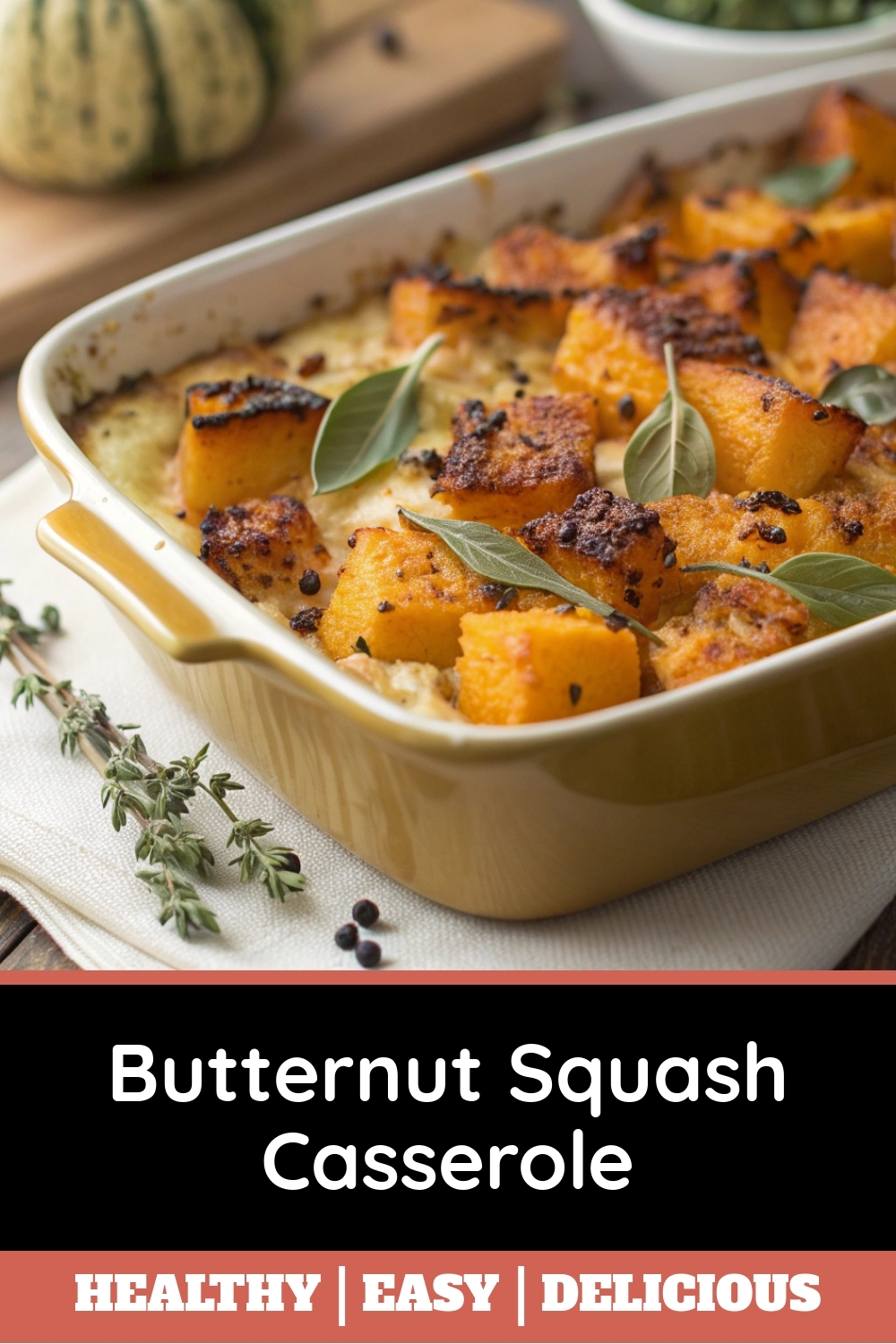
You can thicken your Butternut Squash Casserole by draining any excess liquid from the cooked squash before mashing it. Adding a binding agent like flour, eggs, or a small amount of breadcrumbs to the mixture also helps create a thicker, more cohesive texture for baking.
Yes, you can freeze this casserole for up to 3 months. For best results, assemble and bake it first, then let it cool completely. Wrap the entire dish tightly in plastic wrap and foil before freezing to prevent freezer burn.
Pork, chicken, and turkey all pair exceptionally well with the sweet, nutty flavor of butternut squash. A roasted chicken or a honey-glazed ham makes a perfect main course to serve alongside your Butternut Squash Casserole for a complete holiday meal.
Butternut squash releases a lot of water during cooking. To avoid a watery casserole, roast the squash cubes instead of boiling them, as this method caramelizes the sugars and evaporates more moisture. Always check that your mashed squash isn’t too wet before adding other ingredients.