
Pico De Gallo Recipe
Introduction
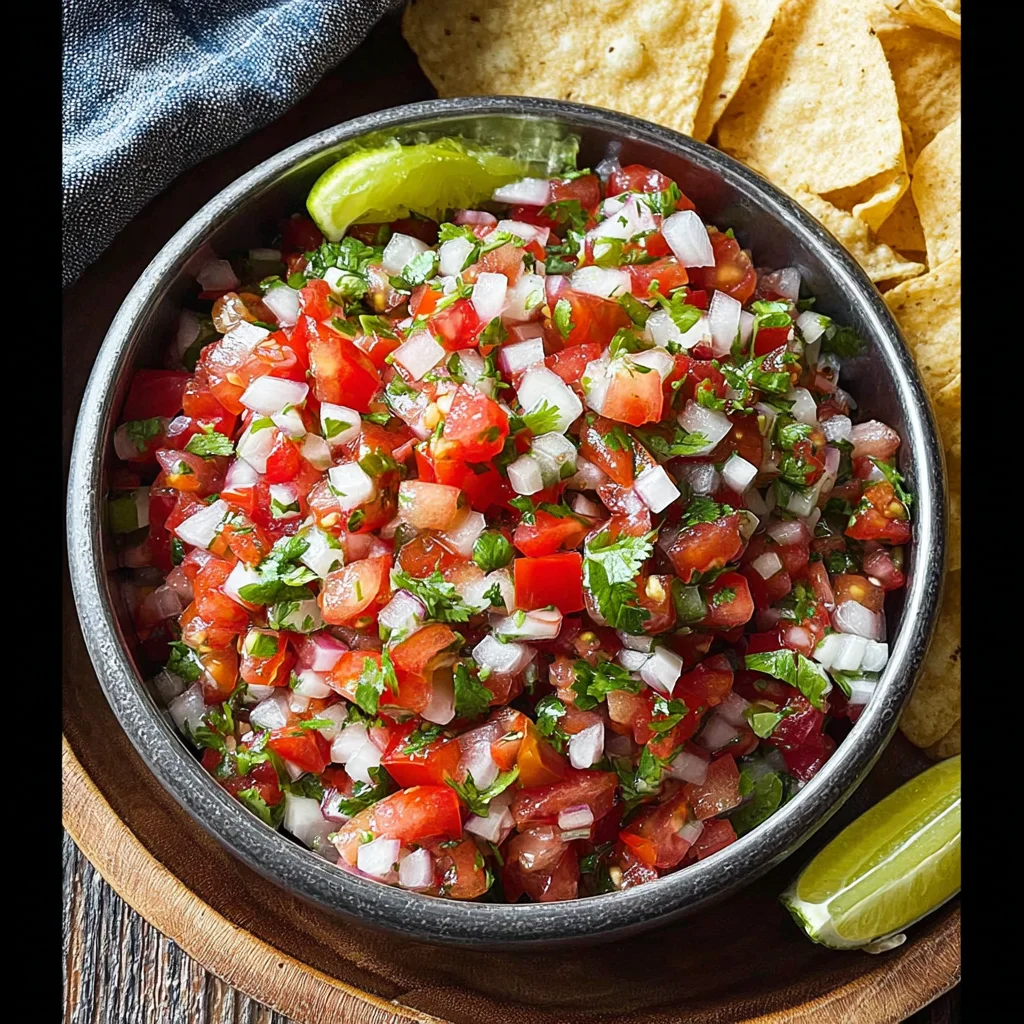
Nothing beats the vibrant, fresh flavor of a classic PICO DE GALLO. This authentic salsa fresca is a symphony of crisp textures and bright, zesty notes that instantly elevates tacos, grilled meats, or a simple bowl of chips. After countless recipe tests, I’ve found the key is balancing the acidity and letting the ingredients shine. It’s a simple, no-cook condiment that delivers maximum impact with minimal effort.
Ingredients
The magic of this salsa fresca lies in the quality of its raw components. Using ripe, in-season tomatoes and fresh cilantro is non-negotiable for the best flavor. For a milder version, you can reduce the jalapeños or use a serrano pepper for more heat.
- 3-4 medium tomatoes, diced (approximately 3 cups)
- 1 medium white onion, diced (approximately 1 cup)
- 2 large jalapeno peppers, seeded and diced (approximately ½ cup)
- ½ cup chopped cilantro
- 3-4 green onions, diced (approximately ¼ cup)
- 1 medium lime, juiced
- 1 teaspoon garlic, minced
- 1 teaspoon kosher salt
- ½ teaspoon pepper
Timing
| Prep Time | 15 minutes |
| Cook Time | 0 minutes |
| Total Time | 15 minutes |
Context: This 15-minute prep time is about 50% faster than many cooked salsas, making it a perfect last-minute addition to any meal. It’s also a fantastic make-ahead option; the flavors meld and intensify beautifully when chilled for an hour before serving.
Step-by-Step Instructions
Step 1 — Prepare and Dice the Vegetables
Start by washing all produce thoroughly. Core the tomatoes and dice them into a uniform, small-to-medium dice—this ensures a perfect texture in every bite. (Pro tip: For less watery pico de gallo, you can scoop out and discard some of the tomato seeds and gel.) Dice the white onion to a similar size.
Step 2 — Handle the Jalapeños
Carefully slice the jalapeños in half lengthwise. Use a spoon to scrape out and discard the seeds and white ribs, which is where most of the capsaicin (the compound that creates heat) resides. Finely dice the pepper flesh. For extra safety, wear gloves or wash your hands immediately after handling.
Step 3 — Chop the Fresh Herbs
Roughly chop the fresh cilantro leaves and tender stems. Unlike other herbs, the stems of cilantro are flavorful and tender, so there’s no need to pick the leaves individually. Thinly slice the green onions, using both the white and light green parts.
Step 4 — Combine the Main Ingredients
In a large mixing bowl, gently combine the diced tomatoes, diced white onion, diced jalapeños, chopped cilantro, and sliced green onions. The goal is to mix without crushing the tomatoes, which keeps the salsa fresh and chunky.
Step 5 — Add the Seasonings and Citrus
Step 6 — Mix and Rest
Add the minced garlic, kosher salt, and black pepper to the bowl. Roll the lime firmly on the countertop to release more juice, then cut and juice it directly over the mixture. In my tests, fresh lime juice is far superior to bottled for achieving that bright, authentic flavor.
Gently toss everything together until the salt and lime juice are evenly distributed. Let the pico de gallo rest for at least 15-20 minutes at room temperature. This resting period, unlike simply serving it immediately, allows the salt to draw out the vegetables’ natural juices, creating a more cohesive and flavorful salsa.
Step 7 — Taste and Adjust
After resting, give your salsa fresca a final taste. This is the most important step. Adjust the seasoning with an extra pinch of salt, a squeeze of lime, or a dash of pepper to perfectly suit your palate. The flavors should be bright, balanced, and vibrant.
Step 8 — Serve or Store
Serve your homemade pico de gallo immediately with tortilla chips, or use it as a topping. For storage, transfer it to an airtight container and refrigerate. It will keep well for 2-3 days, though it’s best enjoyed within the first 24 hours for peak freshness and texture.
Nutritional Information
| Calories | 25 |
| Protein | 1g |
| Carbohydrates | 6g |
| Fat | 0g |
| Fiber | 2g |
| Sodium | 200mg |
This fresh salsa is a powerhouse of Vitamin C and antioxidants from the tomatoes, lime, and peppers. It’s naturally low-calorie, fat-free, and provides a good source of dietary fiber. Note: Estimates are based on a ½-cup serving using the listed ingredients. Values may vary with specific produce or ingredient swaps.
Healthier Alternatives
- Swap white onion for red onion — Adds a milder, slightly sweeter flavor and contains more antioxidants like quercetin.
- Use cherry or grape tomatoes — They are often sweeter and less watery than large tomatoes, resulting in a more concentrated flavor and better texture.
- Add diced avocado — Introduces healthy fats and creaminess, turning your pico de gallo into a heartier salsa or a quick guacamole fusion.
- Incorporate black beans or corn — Boosts protein and fiber for a more substantial side dish or salad topping.
- Reduce salt, boost herbs — For a lower-sodium version, cut the salt in half and add extra cilantro, fresh oregano, or a pinch of cumin for depth.
- Try different citrus — Substitute lime juice with lemon or a splash of orange juice for a unique, slightly sweeter acidity.
Serving Suggestions
- As a classic topping for fish tacos, carne asada, or grilled chicken.
- Spooned over scrambled eggs or an omelet for a vibrant breakfast.
- Mixed into cooked quinoa or black beans for a instant, flavorful salad.
- Served alongside grilled shrimp or seared scallops as a fresh salsa fresca.
- As a bright condiment for burgers or hot dogs instead of relish.
- Paired with a crisp Mexican lager or a citrus-forward sparkling water.
This versatile condiment shines in summer but is a year-round staple. Making a double batch is a fantastic meal-prep strategy; use half immediately and store the rest to brighten up lunches for days.
Common Mistakes to Avoid
- Mistake: Using underripe or mealy tomatoes. Fix: Always choose firm, ripe, in-season tomatoes for the best sweetness and texture.
- Mistake: Dicing ingredients too large or unevenly. Fix: Aim for a consistent, small dice so each scoop contains a perfect balance of all flavors.
- Mistake: Skipping the resting time mentioned in Step 6. Fix: Always let the salsa sit for at least 15 minutes. This allows the salt to meld the flavors and create a delicious juice.
- Mistake: Over-mixing and crushing the tomatoes. Fix: Gently fold the ingredients together to maintain that desirable chunky pico de gallo texture.
- Mistake: Not tasting and adjusting seasoning before serving. Fix: Always do a final taste test (Step 7) and adjust salt, lime, or heat to your preference.
- Mistake: Storing it with a loose lid or in a non-airtight container. Fix: Use an airtight container to prevent the salsa from absorbing other fridge odors and drying out.
Storing Tips
- Fridge: Store in an airtight container for up to 3 days. For best quality, consume within 24-48 hours as the tomatoes will soften and release more liquid over time.
- Freezer: While not ideal for texture due to the high water content, you can freeze pico de gallo for up to 2 months. Expect a softer texture upon thawing; it’s best used in cooked dishes like soups or stews.
- Reviving: If refrigerated salsa seems watery, simply drain off excess liquid and give it a quick stir. A fresh squeeze of lime can often brighten flavors that have muted in the fridge.
For food safety, always keep your homemade salsa refrigerated at or below 40°F. I find that making a fresh batch is so quick that it’s often better than storing for extended periods, guaranteeing that crisp, vibrant texture every time.
Conclusion
This classic PICO DE GALLO is the ultimate fresh condiment that proves simple ingredients can create extraordinary flavor. Its versatility as a topping, dip, or salad base makes it a must-have recipe for any home cook. Try this recipe and share your favorite way to enjoy it in the comments! For another quick, fresh side, consider pairing it with an Easy Asian Cucumber Salad Recipe.
Frequently Asked Questions
How many servings does this pico de gallo recipe make?
This recipe yields approximately 4 cups of salsa fresca, which is perfect for 6-8 people as a dip or condiment. According to standard serving sizes for fresh salsa, a ½-cup portion is typical. For a larger gathering, you can easily double the ingredients without adjusting the method.
What can I use if I don’t have fresh cilantro?
If you dislike cilantro, fresh parsley is the best direct substitute for texture and color, though the flavor profile will be different. For a more authentic herbal note, a small amount of fresh oregano or epazote can be used. I’ve tested both, and using parsley with an extra squeeze of lime provides a bright, acceptable alternative.
Why did my pico de gallo become watery after storing it?
This happens because salt draws moisture from the tomatoes over time, a natural process called osmosis. To fix it, simply drain the excess liquid before serving. For prevention, you can store the diced tomatoes separately and combine them with the other ingredients just before serving, or use less juicy tomato varieties like Roma or cherry tomatoes as mentioned in the Healthier Alternatives section.
PrintPico de Gallo
Ingredients
- 3–4 medium tomatoes, (diced (approximately 3 cups))
- 1 medium white onion, (diced (approximately 1 cup))
- 2 large jalapeno peppers, (seeded and diced (approximately ½ cup))
- ½ cup chopped cilantro
- 3–4 green onions, (diced (approximately ¼ cup))
- 1 medium lime, (juiced)
- 1 teaspoon garlic, (minced)
- 1 teaspoon kosher salt
- ½ teaspoon pepper
Instructions
- In a large bowl, mix together all ingredients. Cover and let rest in the refrigerator for at least 15 minutes before serving.
- Store in the refrigerator, covered, for up to a week.


I’ve been craving something fresh and light to go with our grilled chicken. The combination of lime juice and cilantro in this pico de gallo sounds perfect for that.
★★★★