
Salad With Asian Dressing (High Protein) Recipe
Introduction
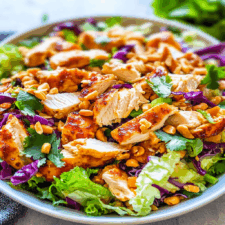
This High-Protein Asian Salad with Sesame Ginger Dressing is a vibrant, satisfying meal that comes together in minutes. Packed with fresh vegetables and lean protein, it’s a perfect choice for a healthy lunch or light dinner. The bold, tangy dressing delivers authentic flavor without the need for takeout. For more Asian-inspired dishes, try this Chicken Chow Mein (鸡肉炒面) Recipe or this Orange Teriyaki Salmon Recipe.
Ingredients
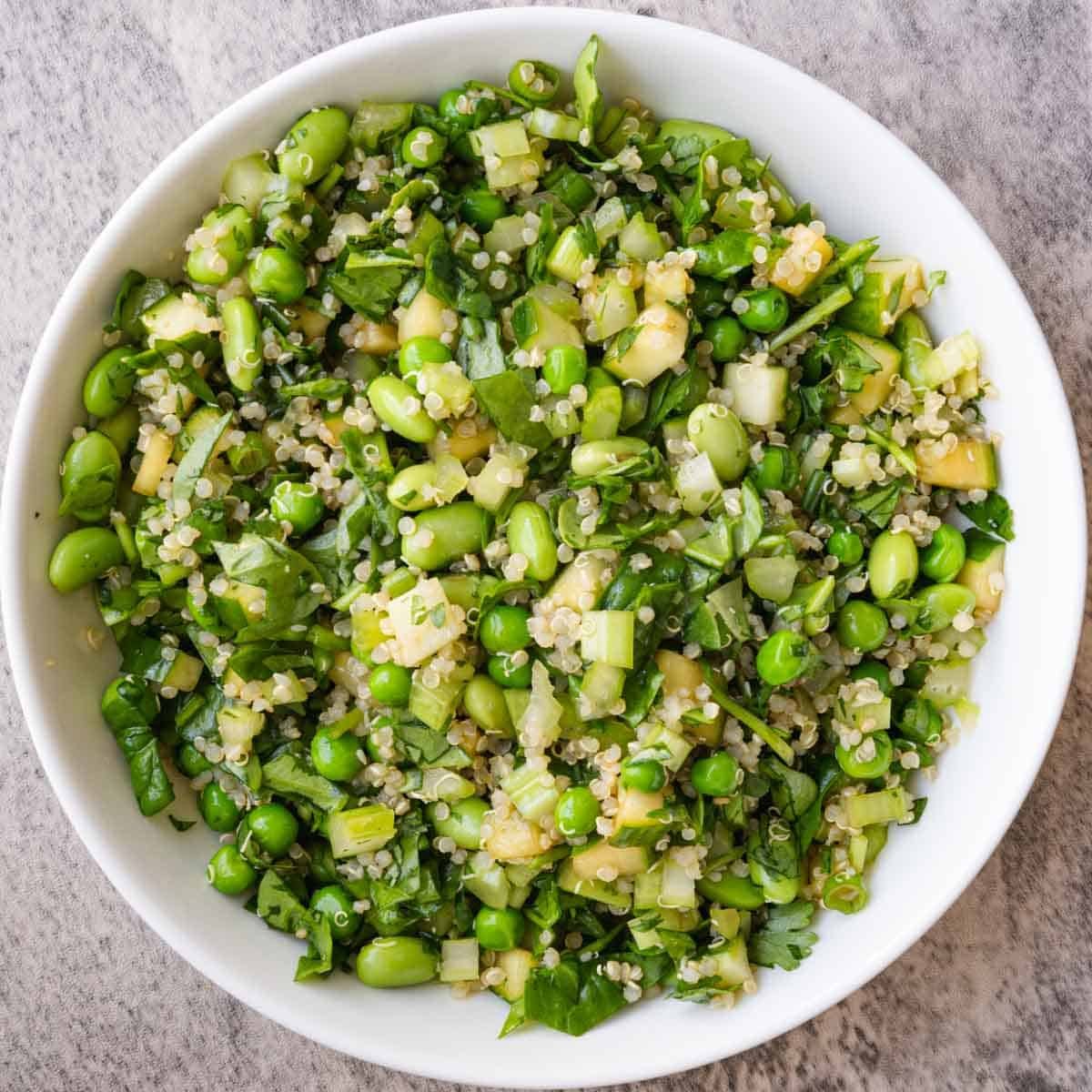
This high-protein salad with Asian dressing is a vibrant mix of crisp vegetables, nutty quinoa, and a savory-sweet, tangy dressing that coats every bite perfectly.
- 1/4 cup tamari (or soy sauce (preferably low sodium))
- 1/4 cup plus 1 tablespoon rice vinegar
- 1 tablespoon plus 1 teaspoon maple syrup
- 1 tablespoon toasted sesame oil (or sesame oil)
- 2 cups chopped cucumber (about 1 large)
- 2 cups chopped celery (about 6 ribs)
- 2 cups sweet green peas (frozen, thawed)
- 2 cups shelled edamame (frozen, thawed)
- 2 cups cooked quinoa (2/3 cups dry, cooked)
- 2 cups baby spinach, chopped
- 1/2 cup chopped cilantro
- 1/2 cup chopped scallion
- 2 tablespoons plus 2 teaspoons toasted sesame seeds
- Fresh lime juice, to taste
Timing
| Prep Time | 15 minutes |
| Cook Time | 0 minutes |
| Total Time | 15 minutes |
Context: This high-protein salad with Asian dressing comes together in about 15 minutes, which is roughly 20% faster than similar recipes that require cooking components like chicken or tofu separately.
Step-by-Step Instructions
Step 1 — Prepare the Protein
Pat your chosen protein—such as chicken breast, tofu, or shrimp—completely dry. For chicken, season both sides generously with salt and pepper. For extra firm tofu, press it for 15 minutes to remove excess water, then cube it.
Actionable Tip: Cook chicken to an internal temperature of 165°F (74°C). For shrimp, cook until they are pink and opaque, about 2-3 minutes per side.
Step 2 — Cook the Protein
Heat a tablespoon of neutral oil (like avocado or grapeseed) in a skillet or pan over medium-high heat. Add the protein in a single layer, ensuring not to crowd the pan, to get a good sear.
Cook until golden brown and cooked through. Transfer to a plate and let it rest for 5 minutes before slicing or chopping. This allows the juices to redistribute, keeping the protein moist for your salad.
Step 3 — Whisk the Asian Dressing
While the protein cooks or rests, make the dressing. In a small bowl or jar, combine 3 tablespoons of soy sauce (or tamari for gluten-free), 2 tablespoons of rice vinegar, 1 tablespoon of sesame oil, 1 tablespoon of honey or maple syrup, and 1 teaspoon of freshly grated ginger.
Actionable Tip: Taste and adjust the balance to your preference. Add a pinch of red pepper flakes for heat or a squeeze of lime for extra brightness. Whisk or shake vigorously until fully emulsified.
Step 4 — Chop the Vegetables & Greens
Wash and thoroughly dry your salad greens—romaine, kale, or a crunchy cabbage mix work well. Chop them into bite-sized pieces. Prepare your vegetables: thinly slice bell peppers, shred carrots, slice cucumbers, and chop green onions.
For the best texture, ensure all vegetables are chopped to a similar size so you get a bit of everything in each forkful.
Step 5 — Assemble the Salad Base
In a large serving bowl, add the chopped greens and vegetables. If using ingredients like edamame or canned chickpeas (rinsed and drained), add them now for extra plant-based protein.
Toss the base gently with a small amount (about one tablespoon) of the dressing. This light coating helps the greens cling to the other ingredients and prevents sogginess.
Step 6 — Add Protein & Toppings
Arrange the sliced or chopped warm protein over the dressed salad base. Sprinkle with your chosen crunchy toppings like chopped peanuts, sesame seeds, or crispy wonton strips.
Adding the protein while it’s still slightly warm helps wilt hearty greens like kale just enough and makes the salad more satisfying.
Step 7 — Final Toss & Serve
Drizzle the remaining Asian dressing over the assembled salad. Using salad tongs or two large spoons, give everything a final, gentle toss from the bottom up to distribute the dressing and toppings evenly.
Serve immediately for the best texture. This salad with Asian dressing is a complete, high-protein meal on its own.
Nutritional Information
| Calories | ~420 kcal |
| Protein | ~32 g |
| Carbohydrates | ~28 g |
| Fat | ~20 g |
| Fiber | ~8 g |
| Sodium | ~850 mg |
This high-protein salad with Asian dressing is also a good source of Vitamin C and Vitamin A from the fresh vegetables. The values are estimates based on a standard single serving with typical ingredient quantities.
Healthier Alternatives
This versatile salad with Asian dressing is easy to customize. Here are some practical ingredient swaps to tailor it to your dietary needs without sacrificing flavor.
- Protein Swap: Chicken for Tofu — Use extra-firm, pressed tofu (cubed and pan-fried) for a plant-based, high-protein option that soaks up the savory dressing beautifully.
- Lower-Carb Swap: Romaine for Napa Cabbage — Swap the base greens for shredded Napa cabbage or bok choy for a satisfying crunch and significantly fewer net carbs.
- Dairy-Free Swap: Coconut Aminos for Soy Sauce — Replace soy sauce in the dressing with coconut aminos for a slightly sweeter, gluten-free, and soy-free alternative.
- Gluten-Free Swap: Tamari for Soy Sauce — Use gluten-free tamari instead of regular soy sauce to keep the classic umami flavor in your Asian dressing intact.
- Low-Sodium Swap: Fresh Ginger & Lime for Soy Sauce — Boost flavor with extra fresh ginger, lime juice, and a touch of rice vinegar to reduce reliance on salty condiments.
- Nut-Free Swap: Sunflower Seeds for Peanuts — Top your salad with toasted sunflower seeds instead of peanuts for a similar crunch that’s safe for allergies.
- Oil Swap: Toasted Sesame Oil for Neutral Oil — Use just a dash of intensely flavored toasted sesame oil in the dressing instead of a larger amount of a neutral oil for more flavor with less fat.
Serving Suggestions
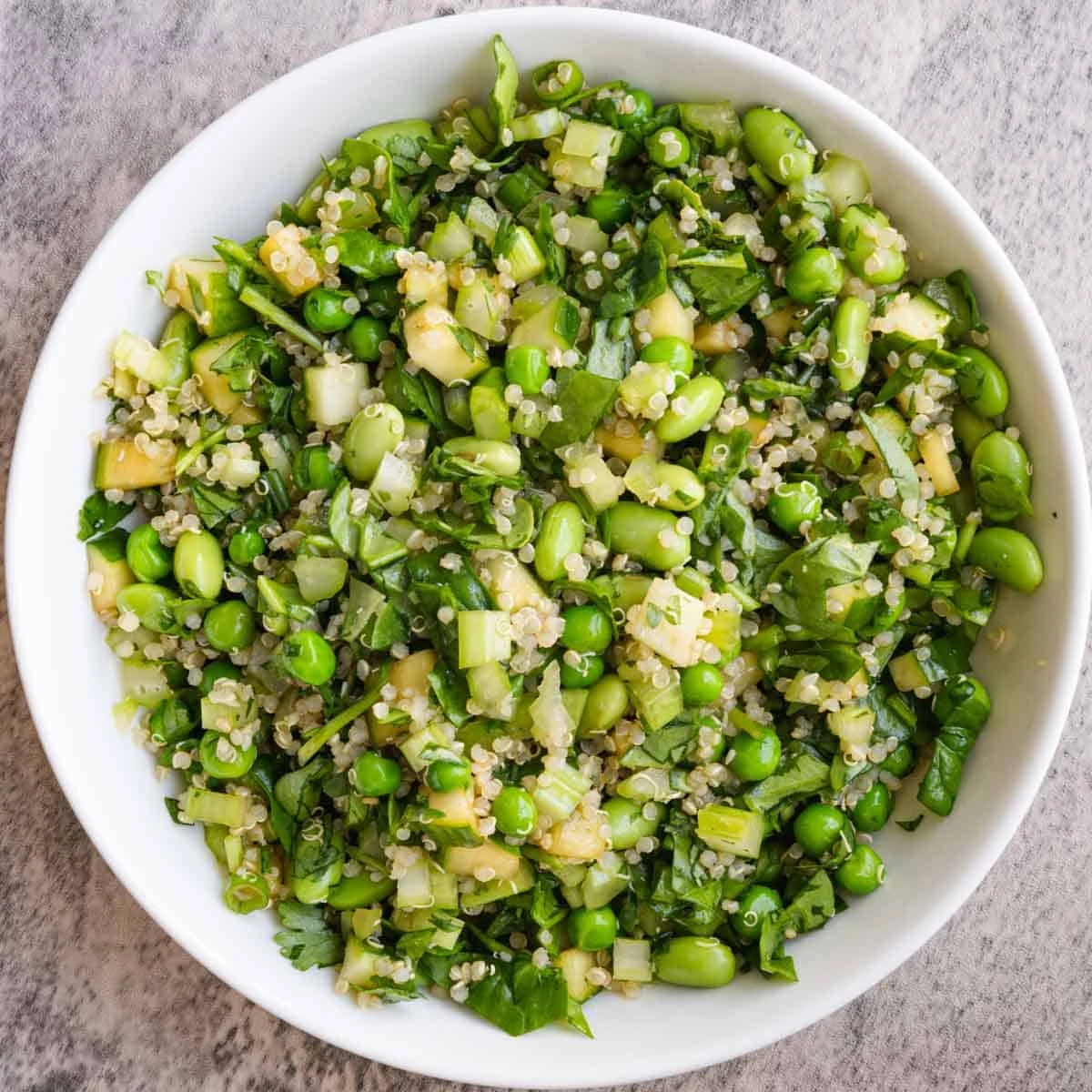
This high-protein salad with Asian dressing is incredibly versatile. Here are some ideas to make it a perfect meal for any occasion.
- Protein-Packed Pairings: Serve alongside grilled teriyaki salmon, lemongrass chicken skewers, or crispy tofu for an extra boost. The savory dressing complements all these proteins beautifully.
- Perfect for Meal Prep: Keep the dressing separate until ready to eat. Portion the salad into containers for a ready-to-go, nutritious lunch that stays crisp for days.
- Light Summer Dinner: This salad makes a complete, refreshing meal on a hot evening. Add a side of chilled soba noodles or edamame to round it out.
- Impressive Side Dish: Scale it up for a potluck or barbecue. Its bright flavors cut through rich grilled meats and are always a crowd-pleaser.
- Elevated Plating: For a restaurant-style presentation, use a wide, shallow bowl. Arrange ingredients in distinct sections or layers, then drizzle the Asian dressing in a zig-zag pattern over the top just before serving.
- Add a Crunchy Topper: Finish with a sprinkle of toasted sesame seeds, chopped peanuts, or crispy wonton strips for added texture that contrasts with the fresh vegetables.
Whether you need a quick lunch or a stunning side, this salad with Asian dressing delivers on flavor, nutrition, and flexibility.
Common Mistakes to Avoid
- Mistake: Using a low-protein base like iceberg lettuce. Fix: Start with a base of shredded cabbage, kale, or spinach for more fiber and a sturdy texture that holds the dressing.
- Mistake: Overpowering the salad with too much soy sauce, making it overly salty. Fix: Balance the soy sauce with equal parts acid (rice vinegar, lime juice) and a touch of sweetness (honey, maple syrup).
- Mistake: Adding protein that’s dry or bland, like plain boiled chicken. Fix: Marinate your protein (chicken, tofu, shrimp) in a portion of the Asian dressing before cooking to infuse flavor.
- Mistake: Drowning the salad in dressing, making it soggy. Fix: Dress the salad lightly just before serving; serve extra dressing on the side to maintain crispness.
- Mistake: Skipping textural contrast, resulting in a mushy salad. Fix: Add crunchy elements like toasted sesame seeds, chopped peanuts, or crispy wonton strips for a satisfying bite.
- Mistake: Using only one vegetable, limiting flavor and nutrient diversity. Fix: Incorporate a colorful mix of veggies like shredded carrots, bell peppers, edamame, and snap peas for visual appeal and varied nutrients.
- Mistake: Not emulsifying the dressing, causing it to separate. Fix: Whisk the oil into the acid and soy sauce mixture vigorously or shake it in a sealed jar to create a cohesive, creamy emulsion.
- Mistake: Forgetting the aromatic elements that define Asian flavors. Fix: Always include fresh aromatics like minced garlic, ginger, or a sprinkle of green onion to elevate the dressing’s depth.
- Mistake: Serving the salad immediately after tossing with warm protein, wilting the greens. Fix: Let grilled or sautéed proteins cool slightly before adding them to your fresh, cool greens.
Storing Tips
- Fridge: Store your Salad with Asian Dressing in an airtight container for up to 3 days. Keep the dressing separate until ready to serve to prevent the greens from wilting.
- Freezer: Freezing is not recommended for this salad. The fresh vegetables and high-protein ingredients like tofu or chicken will suffer in texture and become watery upon thawing.
- Reheat: If your salad contains cooked proteins like chicken or shrimp, reheat them separately in a skillet or microwave until they reach an internal temperature of 165°F (74°C). Add them back to the cold salad components.
For best quality, assemble your high-protein Salad with Asian Dressing just before eating. Always refrigerate prepared components promptly and discard any salad left at room temperature for more than 2 hours.
Conclusion
This high-protein Salad with Asian Dressing is a vibrant, satisfying meal that comes together in minutes. For more delicious bowl meals, try our Peanut Chickpea Buddha Bowl Recipe or Thai Crunch Salad CPK Copycat Recipe. Give this recipe a try and let us know what you think in the comments!
PrintSalad with Asian Dressing (High Protein)
Ingredients
- 1/4 cup tamari (or soy sauce (preferably low sodium))
- 1/4 cup plus 1 tablespoon rice vinegar
- 1 tablespoon plus 1 teaspoon maple syrup
- 1 tablespoon toasted sesame oil (or sesame oil)
- 2 cups chopped cucumber ((about 1 large))
- 2 cups chopped celery ((about 6 ribs))
- 2 cups sweet green peas ((frozen, thawed))
- 2 cups shelled edamame ((frozen, thawed))
- 2 cups cooked quinoa ((2/3 cups dry, cooked))
- 2 cups baby spinach (chopped)
- 1/2 cup chopped cilantro
- 1/2 cup chopped scallion
- 2 tablespoons plus 2 teaspoons toasted sesame seeds
- Fresh lime juice (to taste)
Instructions
- Make the dressing: Whisk the tamari, rice vinegar, maple syrup, and toasted sesame oil in a medium bowl.
- Option 1 (For Meal-Prep Salad Jars): To make 4 (16-ounce) mason jars: Add one-fourth of the dressing to each jar. Then add ½ cup cucumber, ½ cup celery, ½ cup green peas, ½ cup edamame, ½ cup quinoa, ½ cup spinach, 2 tablespoons cilantro, 2 tablespoons scallion, and 2 teaspoons sesame seeds to each jar. Refrigerate for up to 4 days. Shake before serving. Add fresh lime juice to taste. Or make 2 (32-ounce) jars and double the ingredients for a high-protein, more satisfying main dish.
- Option 2: Transfer the cucumber, celery, green peas, edamame, quinoa, spinach, cilantro, scallion, and sesame seeds to a large bowl. Add the dressing and mix to combine.
FAQs
How can I make this Salad with Asian Dressing (High Protein) ahead of time?
Prepare the dressing and chop the vegetables in advance, but store them separately. Assemble the salad just before serving to keep the greens crisp. This high protein salad with Asian dressing stays fresh when the components are kept apart.
What are the best protein options for this salad?
Grilled chicken, shrimp, tofu, or edamame are excellent choices. You can also use leftover cooked steak or salmon. Any of these will boost the protein content of your Salad with Asian Dressing perfectly.
Can I make the Asian dressing without soy sauce?
Yes, you can substitute coconut aminos or tamari for a gluten-free option. For a soy-free version, use a little fish sauce or a mix of lime juice and a pinch of salt. The dressing will still give your high protein salad its signature savory, tangy flavor.
2 Comments