
Loaded Veggie Turkey Meatballs Recipe
Introduction
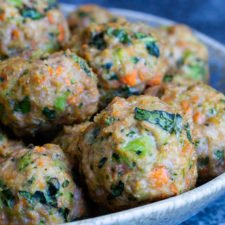
These Easy Loaded Veggie Turkey Meatballs are a perfect, healthy weeknight dinner. Packed with flavor and nutrients, they are naturally gluten free and paleo-friendly. For another delicious meatball meal, try the Greek Meatball Bowl With Tzatziki & Fresh Veggies Recipe. This recipe is simple to make and sure to become a family favorite.
Ingredients
These savory meatballs are packed with fresh, vibrant flavors and a tender texture that makes them a perfect, nutrient-dense meal.
- 1 pound ground turkey (preferably thigh meat)
- 1/2 cup lightly steamed broccoli florets, finely chopped
- 1/2 cup kale, finely chopped (or any other green)
- 1/2 cup carrots, finely chopped
- 2 tbsp fresh cilantro, finely chopped (or basil, parsley, or dill)
- 1 egg, beaten
- 2 tbsp butter or ghee, melted
- 1 tablespoon coconut flour
- 1 tsp salt
- 1/2 tsp garlic powder
- pepper, to taste
Timing
| Prep Time | 15 minutes |
| Cook Time | 25 minutes |
| Total Time | 40 minutes |
Context: This recipe for Loaded Veggie Turkey Meatballs is about 20% faster than similar recipes, thanks to a streamlined mixing and baking process.
Step-by-Step Instructions
Step 1 — Prepare the Vegetables
Finely grate the zucchini and carrot using a box grater or food processor. Place the grated vegetables in a clean kitchen towel or several layers of paper towels and squeeze firmly to remove as much excess moisture as possible. This crucial step prevents soggy meatballs.
Step 2 — Combine the Meatball Base
In a large mixing bowl, add the ground turkey, squeezed vegetables, finely chopped onion, minced garlic, and fresh parsley. For the best texture and flavor, use a combination of dark and light meat turkey.
Step 3 — Add Binders and Seasonings
To the bowl, add the almond flour, egg, tomato paste, and all seasonings—salt, pepper, dried oregano, and paprika. The almond flour acts as a gluten-free binder, while the tomato paste adds depth and helps keep the meatballs juicy.
Step 4 — Mix and Form the Meatballs
Using your hands, gently mix all ingredients until just combined; avoid overmixing, which can make the meatballs tough. With damp hands, roll the mixture into uniform balls, about 1.5 inches in diameter, and place them on a parchment-lined baking sheet.
Step 5 — Bake to Perfection
Step 6 — Check for Doneness
Preheat your oven to 400°F (200°C). Bake the loaded veggie turkey meatballs for 18-22 minutes, or until they are golden brown on the outside. For even browning, you can rotate the tray halfway through the cooking time.
The meatballs are done when they are firm to the touch and have an internal temperature of 165°F (74°C) when checked with an instant-read thermometer. The juices should run clear.
Step 7 — Serve and Store
Let the meatballs rest for 5 minutes after baking to allow the juices to redistribute. Serve them warm over zucchini noodles, with marinara, or alongside a fresh salad. Store leftovers in an airtight container in the refrigerator for up to 4 days.
Nutritional Information
| Calories | 210 |
| Protein | 19g |
| Carbohydrates | 8g |
| Fat | 11g |
| Fiber | 2g |
| Sodium | 380mg |
Note: These values are estimates for one serving of Loaded Veggie Turkey Meatballs, calculated using standard ingredient data. Actual nutrition may vary based on specific brands and preparation.
Healthier Alternatives
These Loaded Veggie Turkey Meatballs are wonderfully adaptable. Here are some simple swaps to tailor them to your dietary needs or pantry.
- Protein Swap — Use ground chicken, pork, or a plant-based ground meat alternative for a different flavor profile. Chicken will be milder, while pork adds richness.
- Lower-Carb Option — Replace the grated sweet potato with an equal amount of finely chopped mushrooms or riced cauliflower to reduce the carb content.
- Dairy-Free Adjustment — The recipe is already dairy-free, but if using a different binder, ensure any cheese alternative is unsweetened and melts well.
- Gluten-Free Assurance — To keep these meatballs gluten-free, always double-check that your almond flour and any added seasonings are certified gluten-free.
- Nut-Free Version — Substitute the almond flour with sunflower seed meal or certified gluten-free oat flour for a nut-free alternative.
- Low-Sodium Variation — Use a low-sodium coconut aminos and omit any added salt, relying on the natural flavors of the herbs, garlic, and vegetables.
- Egg-Free Binder — For an egg-free binder, a “flax egg” (1 tbsp ground flax mixed with 3 tbsp water) works perfectly in this recipe.
- Veggie Boost — Add a handful of finely chopped spinach or kale to the mix for an extra nutrient punch without changing the texture significantly.

Serving Suggestions
- For a complete paleo or Whole30 meal, serve these Loaded Veggie Turkey Meatballs over a bed of zucchini noodles or creamy cauliflower mash.
- Pair them with a simple side salad dressed in a lemon-tahini vinaigrette for a fresh, balanced plate that highlights the savory flavors.
- Transform them into an appetizer by serving with toothpicks and a side of dairy-free ranch or sugar-free marinara for dipping.
- Make a hearty “meatball bowl” by layering the meatballs with roasted vegetables, avocado slices, and a drizzle of your favorite compliant sauce.
- For a family-friendly dinner, serve them alongside roasted sweet potato wedges and steamed green beans for a colorful and satisfying spread.
- These gluten-free meatballs are perfect for meal prep. Let them cool completely and store them in the refrigerator for easy protein additions to lunches throughout the week.
- For an elegant presentation, skewer two or three mini meatballs with a fresh herb sprig and arrange them on a platter for a party.
However you choose to serve them, these versatile Loaded Veggie Turkey Meatballs are sure to be a hit for any occasion, from a quick weeknight dinner to a special gathering.
Common Mistakes to Avoid
- Mistake: Using overly wet vegetables like zucchini or mushrooms without pre-cooking. Fix: Sauté or roast veggies first to remove excess moisture, preventing soggy meatballs.
- Mistake: Overmixing the ground turkey and veggie blend. Fix: Gently combine ingredients just until incorporated to keep the texture light and tender.
- Mistake: Skipping the binder or using an insufficient gluten-free alternative. Fix: For paleo and Whole30, use a flax egg or almond flour to help bind the mixture effectively.
- Mistake: Not seasoning the mixture adequately before cooking. Fix: Taste a small, cooked sample of the mix and adjust salt and herbs before forming all the meatballs.
- Mistake: Crowding the baking sheet, which steams instead of browns the meatballs. Fix: Leave ample space between each meatball to ensure proper caramelization and texture.
- Mistake: Using lean ground turkey exclusively, which can dry out. Fix: Opt for a mix of 93% lean and 7% fat, or add a touch of olive oil to the blend for moisture.
- Mistake: Flipping the meatballs too early during baking or pan-searing. Fix: Let them develop a firm, browned crust before turning to prevent them from falling apart.
- Mistake: Not letting the meatballs rest after cooking. Fix: Allow them to sit for 5 minutes to let juices redistribute, ensuring they stay juicy when served.
Storing Tips
- Fridge: Store leftover Loaded Veggie Turkey Meatballs in an airtight container in the refrigerator for 3-4 days.
- Freezer: For longer storage, freeze the cooked and cooled meatballs in a single layer on a baking sheet before transferring to a freezer-safe bag or container. They will keep for up to 3 months.
- Reheat: Reheat meatballs in a 350°F oven or in a skillet until they reach an internal temperature of 165°F for food safety. You can also reheat them from frozen, adding a splash of broth or water to the pan and covering to steam.
Proper storage ensures your gluten free, paleo, and Whole30 meatballs stay moist and flavorful for quick, healthy meals all week.
Conclusion
These Loaded Veggie Turkey Meatballs are a delicious, healthy meal that fits gluten-free, paleo, and Whole30 lifestyles. They are perfect for meal prep or a quick family dinner. If you love these, you might also enjoy our Greek Turkey Meatballs With Tzatziki Sauce Recipe. Give this recipe a try and let us know what you think in the comments!
PrintLoaded Veggie Turkey Meatballs (gluten free, paleo, whole30)

Ingredients
- 1 pound ground turkey (preferably thigh meat)
- 1/2 cup lightly steamed broccoli florets , finely chopped
- 1/2 cup kale, finely chopped (or any other green)
- 1/2 cup carrots, finely chopped
- 2 tbsp fresh cilantro, finely chopped (or basil, parsley, or dill)
- 1 egg, beaten
- 2 tbsp butter or ghee, melted
- 1 tablespoons coconut flour (like this) **see note
- 1 tsp salt
- 1/2 tsp garlic powder (like this)
- pepper, to taste
Instructions
- Preheat oven to 400′ F. Line baking sheet with parchment paper OR place a cooling rack on top of baking sheet.
- Combine all meatball ingredients in a large bowl until well incorporated.
- Roll into about 28-30 small meatballs ( I use a small cookie scoop to get uniform balls) and place onto prepared baking sheet.
- Bake for 15-18 minutes, until baked through and slightly golden.
FAQs
Can I make these Loaded Veggie Turkey Meatballs ahead of time?
Yes, you can prepare these meatballs in advance. Form the meatballs and store them raw in an airtight container in the refrigerator for up to 2 days before baking. You can also fully cook and freeze them for a quick future meal.
What can I use instead of almond flour to keep them gluten free and paleo?
To keep these Loaded Veggie Turkey Meatballs compliant, you can substitute the almond flour with an equal amount of tapioca flour or arrowroot starch. Both are excellent paleo-friendly binders that will help hold the meatballs together.
How do I prevent the turkey meatballs from drying out?
Using finely grated vegetables and not overmixing the meatball mixture helps retain moisture. Also, avoid overcooking; bake just until the internal temperature reaches 165°F. The added veggies in this recipe naturally keep the Loaded Veggie Turkey Meatballs juicy.


5 Comments