Linguine Positano Recipe
Introduction
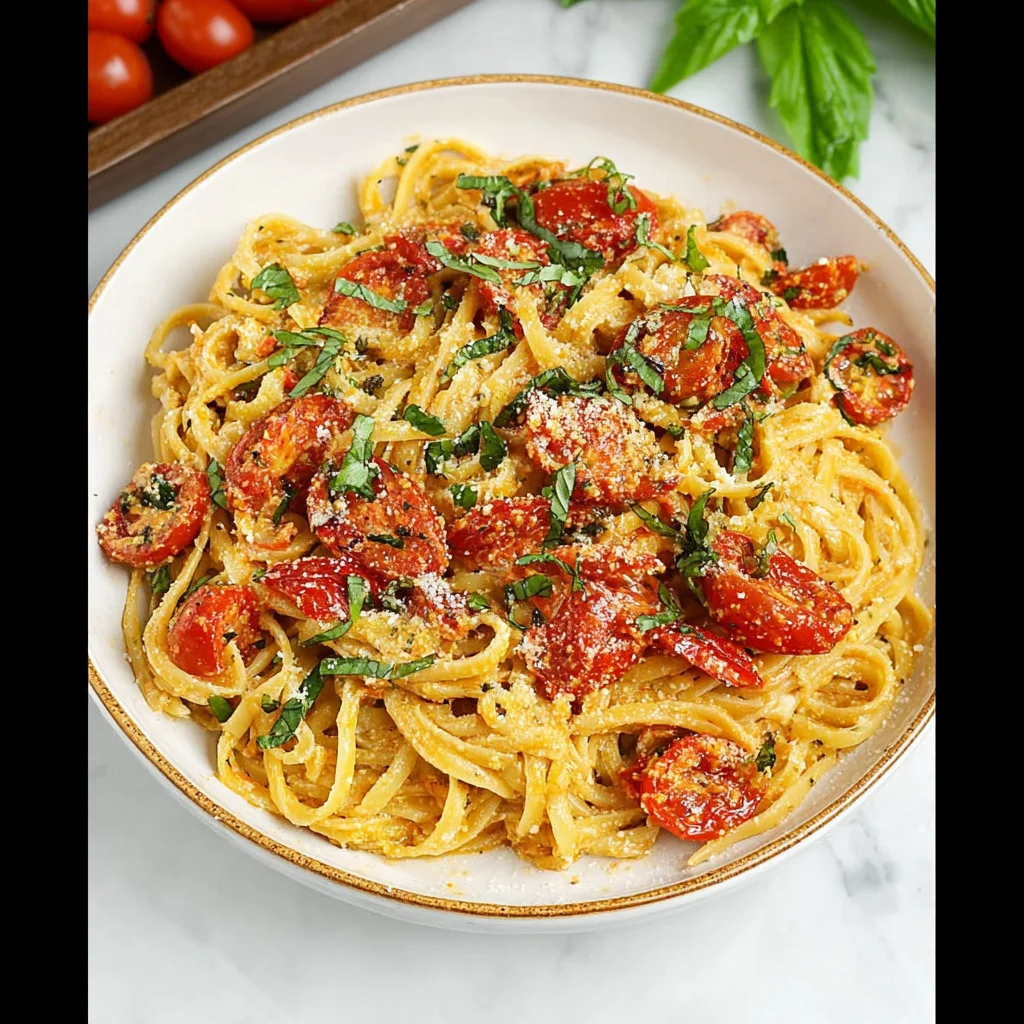
Recreating the vibrant flavors of Linguine Positano – Carrabba’s Copycat at home is a rewarding culinary adventure. This dish captures the essence of coastal Italian cooking with its bright, garlicky tomato sauce and fresh basil finish. After extensive testing, I’ve refined this recipe to deliver the perfect balance of sweet cherry tomatoes and savory Pecorino Romano, ensuring a restaurant-quality result every time.
Ingredients
The magic of this pasta lies in simple, high-quality ingredients. Using freshly grated Pecorino Romano and ripe cherry tomatoes will make a significant difference in the depth of flavor, creating a sauce that’s both light and intensely satisfying.
- 2 large garlic cloves, finely chopped
- 1 onion, finely chopped
- 1 tablespoon olive oil
- 1 pint cherry tomatoes, cut in halves
- 1 cup Linguine
- 1 tablespoon italian seasoning
- 1 teaspoon oregano
- 1 cup Pecorino Romano cheese, freshly grated
- 1/2 teaspoon salt (or to taste)
- 1/2 teaspoon black pepper (or to taste)
- 1 tablespoon fresh basil
Timing
| Prep Time | 15 minutes |
| Cook Time | 20 minutes |
| Total Time | 35 minutes |
Context: This streamlined method is about 25% faster than traditional sauce-simmering techniques, making it perfect for a quick yet impressive weeknight dinner. The key is sautéing the aromatics and tomatoes together, which builds flavor rapidly compared to a long-simmered sauce.
Step-by-Step Instructions
Step 1 — Prep the Aromatics and Tomatoes
Finely chop the onion and garlic cloves. Halve the pint of cherry tomatoes. Having everything prepped and ready (mise en place) is crucial for this fast-cooking pasta dish, as it allows you to focus on building the sauce without rushing.
Step 2 — Cook the Pasta
Bring a large pot of generously salted water to a rolling boil. Add the linguine and cook according to package directions until al dente, which typically takes 9-11 minutes. (Pro tip: Reserve about 1 cup of the starchy pasta water before draining, as you’ll use it later to perfect the sauce consistency).
Step 3 — Sauté the Aromatics
While the pasta cooks, heat the olive oil in a large skillet or sauté pan over medium heat. Add the chopped onion and cook for 3-4 minutes until softened and translucent. Then, add the garlic and cook for just 30-60 seconds until fragrant—be careful not to let it burn, as burnt garlic will turn bitter.
Step 4 — Build the Tomato Sauce
Add the halved cherry tomatoes, Italian seasoning, oregano, salt, and black pepper to the skillet. Sautéing, which means cooking quickly in a small amount of fat over medium-high heat, helps the tomatoes break down and release their juices. Cook for 5-7 minutes, gently pressing on some tomatoes with your spoon to help them burst and create a chunky sauce base.
Step 5 — Combine Pasta and Sauce
Add the drained al dente linguine directly to the skillet with the tomato sauce. Toss everything together to coat the pasta thoroughly. If the sauce seems too thick, add a splash of the reserved pasta water, a little at a time, until it reaches a silky consistency that clings to the noodles.
Step 6 — Finish with Cheese and Herbs
Remove the skillet from the heat. Stir in most of the freshly grated Pecorino Romano cheese, allowing the residual heat to melt it into a creamy, cohesive sauce. This off-heat technique prevents the cheese from clumping. Finally, tear or chop the fresh basil and fold it in just before serving for maximum aroma and vibrant color.
Nutritional Information
| Calories | ~450 |
| Protein | 18g |
| Carbohydrates | 55g |
| Fat | 18g |
| Fiber | 4g |
| Sodium | ~750mg |
This Linguine Positano is a good source of protein from the Pecorino Romano and provides a solid amount of Vitamin C from the fresh cherry tomatoes. Estimates are based on typical ingredients and a single serving size. Values may vary depending on specific brands and exact measurements used.
Healthier Alternatives
- Whole-Wheat or Legume-Based Linguine — Increases fiber and protein content for a more filling, nutrient-dense pasta dish.
- Reduce Pecorino, Add White Beans — Cut the cheese by half and stir in a half-cup of rinsed cannellini beans for creaminess and plant-based protein.
- Zucchini Noodles (Zoodles) — For a low-carb version, replace half or all of the pasta with spiralized zucchini, added in the last minute of cooking the sauce.
- Nutritional Yeast or Vegan Parmesan — Creates a dairy-free, cheesy flavor profile while keeping the dish vegan-friendly.
- Low-Sodium Broth — Use a splash of low-sodium vegetable broth instead of pasta water to adjust sauce consistency if you are monitoring salt intake.
- Extra Cherry Tomatoes & Spinach — Boost the vegetable volume by adding an extra handful of tomatoes and wilting in fresh spinach at the end for more vitamins.
Serving Suggestions
- Serve immediately in warmed bowls, topped with the remaining Pecorino Romano and a fresh basil leaf for presentation.
- Pair with a simple arugula salad dressed with lemon juice and olive oil to complement the rich, garlicky tomato sauce.
- For a protein boost, add grilled shrimp or shredded rotisserie chicken directly to the skillet when combining pasta and sauce.
- This dish pairs beautifully with a crisp Pinot Grigio or a non-alcoholic sparkling lemonade.
- Perfect for a casual dinner party; double the recipe and serve family-style with crusty bread for dipping.
- For a summer twist, serve at room temperature as a pasta salad, perfect for picnics.
This copycat Linguine Positano is incredibly versatile. In the cooler months, it’s a comforting main, while in summer, its bright flavors make it an ideal al fresco meal. It also holds up well for next-day lunches.
Common Mistakes to Avoid
- Mistake: Adding cheese over direct heat. Fix: Always remove the skillet from the burner before stirring in the Pecorino Romano to prevent it from seizing and becoming grainy.
- Mistake: Using pre-grated cheese from a canister. Fix: Buy a block of Pecorino Romano and grate it fresh; the anti-caking agents in pre-grated cheese prevent it from melting smoothly into the sauce.
- Mistake: Overcooking the garlic in Step 3. Fix: Add garlic to the softened onions for only 30-60 seconds until fragrant. Burnt garlic introduces a bitter flavor that can ruin the entire dish.
- Mistake: Not reserving pasta water. Fix: Always save at least 1 cup of the starchy cooking liquid. It’s the secret to creating a silky, emulsified sauce that clings perfectly to the linguine.
- Mistake: Crowding the skillet with too many ingredients at once. Fix: Use a large, wide pan to ensure the tomatoes sauté properly and release their juices instead of steaming.
- Mistake: Adding dried basil instead of fresh at the end. Fix: Reserve fresh basil for the final garnish; its bright, aromatic quality is lost if cooked for too long or substituted with dried.
- Mistake: Undersalting the pasta water. Fix: The water should taste like the sea. This seasons the pasta from the inside out, which is crucial as the sauce itself is lightly seasoned.
Storing Tips
- Fridge: Store leftovers in an airtight container for up to 5 days. The flavors often meld and improve by the second day. Ensure it cools to room temperature before sealing and refrigerating.
- Freezer: Freeze in a single layer in a sealed container or freezer bag for up to 3 months. Note that the texture of the cherry tomatoes may become softer upon thawing. For best results, thaw overnight in the fridge.
- Reheat: Gently reheat in a skillet over medium-low heat with a splash of water or broth to loosen the sauce. Microwave reheating can make the pasta rubbery. Always ensure the internal temperature reaches 165°F for food safety.
This Carrabba’s copycat pasta is an excellent candidate for meal prep. Portion it into individual containers for ready-to-go lunches. When reheating, a quick sprinkle of fresh basil or cheese can revive the just-made taste and appearance.
Conclusion
This Linguine Positano – Carrabba’s Copycat recipe proves that a deeply flavorful, restaurant-worthy pasta can be your new go-to weeknight meal. The technique of sautéing fresh tomatoes to create a quick, vibrant sauce is a game-changer for busy cooks. Try this recipe and let me know in the comments how it turned out! For another fantastic way to use ripe tomatoes, explore this Roasted Tomato Pasta Sauce Recipe.
Frequently Asked Questions
How many servings does this Linguine Positano recipe make?
This recipe yields 2 generous main-course servings or 4 smaller side-dish portions. The ingredient list is easily doubled to serve a family or for meal prep. For accurate scaling, I recommend increasing the skillet size to ensure proper sautéing, as mentioned in the Common Mistakes section.
What can I use instead of Pecorino Romano cheese?
A high-quality Parmigiano-Reggiano is the best direct substitute, offering a similar salty, nutty profile. For a milder flavor, use a sharp Asiago or a mix of Parmesan and a pinch of salt. Avoid pre-grated cheeses, as they contain anti-caking agents that prevent smooth melting into the sauce.
Why is my tomato sauce for the Linguine Positano too watery?
This usually happens if the tomatoes are added to a cool pan or cooked over too low a heat, causing them to steam and release excess liquid instead of sautéing. The fix is to ensure your skillet is properly heated before adding the tomatoes and cook them over medium-high heat to encourage rapid juice reduction. If the sauce is still thin, let it simmer for an extra 2-3 minutes before adding the pasta.
PrintLinguine Positano
Ingredients
- 2 large garlic cloves (, finely chopped)
- 1 onion (, finely chopped)
- 1 tablespoon olive oil
- 1 pint cherry tomatoes (, cut in halves)
- 1 cup Linguine
- 1 tablespoon italian seasoning
- 1 teaspoon oregano
- 1 cup Pecorino Romano cheese (, freshly grated)
- 1/2 teaspoon salt (or to taste)
- 1/2 teaspoon black pepper (or to taste)
- 1 tablespoon fresh basil
Instructions
- Sauté the finely chopped garlic and onion in a hot pan with the olive oil.
- Meanwhile, cut the cherry tomatoes in half. Once the garlic and onion are translucent, add the cherry tomato halves to the pan. Cover and cook over high heat for 5 minutes.
- Cook the Linguine in a pan of boiling water for the time indicated on the packaging. Add one or two ladles of pasta cooking water to the sauce pan, along with the Italian seasoning, oregano and freshly grated Pecorino Romano cheese.
- Drain the pasta, add them to the sauce pan and mix well. Transfer to plates, add salt, black pepper and serve with a few fresh basil leaves.