Fresh Salsa Recipe (5 Minutes) Easy
Introduction
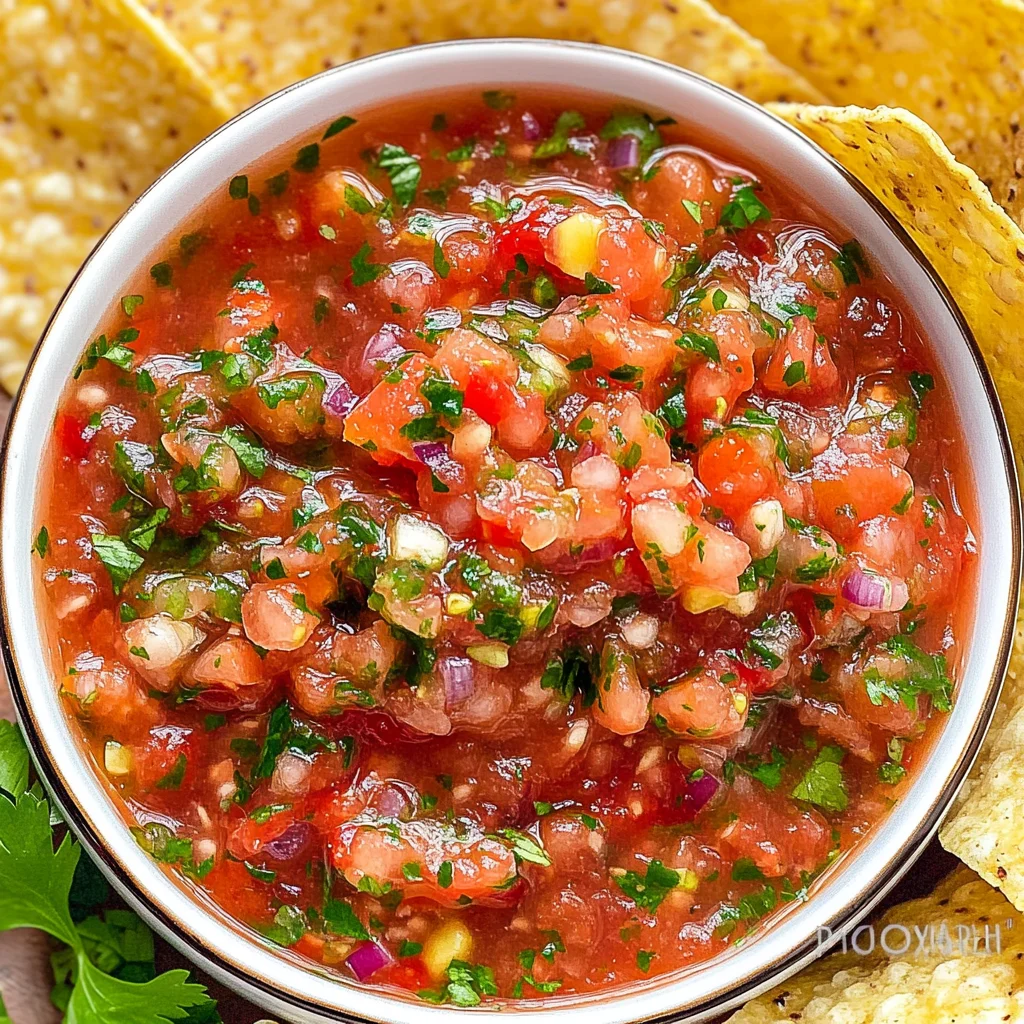
Nothing beats the vibrant, fresh flavor of a Homemade Salsa Recipe with Fresh Tomatoes. This version, perfected through countless summer batches, delivers a bright, chunky texture and a perfectly balanced kick. It’s a staple in my kitchen, ready in minutes and far superior to anything from a jar. I’ve found that using ripe, in-season tomatoes is the single most important factor for a truly exceptional salsa.
Ingredients
The magic of this fresh tomato salsa lies in the quality of its simple components. Seek out the ripest, juiciest tomatoes you can find for the best flavor and texture.
- 4 medium Tomatoes (halved)
- 1 small Onion (cut into large chunks)
- 1 cup Fresh cilantro
- 1 medium Jalapeno (seeds removed and coarsely chopped)
- 3 cloves Garlic (coarsely chopped)
- 1 tbsp Lime juice
- 1/4 tsp Sea salt
Timing
| Prep Time | 15 minutes |
| Cook Time | 0 minutes |
| Total Time | 15 minutes |
Context: This no-cook salsa comes together about 50% faster than roasted or simmered versions, making it the ultimate quick appetizer. It’s a fantastic make-ahead option, as the flavors meld and intensify beautifully when chilled for an hour before serving.
Step-by-Step Instructions
Step 1 — Prepare the Vegetables
Begin by washing and drying all produce. Halve the tomatoes and use a spoon to scoop out and discard the watery seed pulp. This crucial step, which I always do, prevents a watery salsa and concentrates the tomato flavor. Cut the onion into large chunks, coarsely chop the jalapeño (remembering to remove the seeds and ribs for less heat), and peel the garlic cloves.
Step 2 — Pulse the Aromatics
In the bowl of a food processor, combine the onion chunks, chopped jalapeño, and garlic. Pulse 5-7 times until the ingredients are finely chopped but not pureed. Unlike blending everything at once, this method ensures even distribution of the potent aromatics without over-processing the delicate tomatoes.
Step 3 — Add Tomatoes and Cilantro
Add the halved tomatoes (with seed pulp removed) and the fresh cilantro to the food processor bowl. For the best texture, I recommend using the pulse function in short bursts. Pulse 4-6 times until you achieve your desired consistency—chunky for a rustic feel or slightly smoother if preferred.
Step 4 — Season and Balance
Transfer the pulsed mixture to a medium bowl. Stir in the fresh lime juice and sea salt. Taste and adjust the seasoning; you may want an extra pinch of salt or a squeeze more lime juice to brighten the flavors. (Pro tip: The salt will draw out moisture from the tomatoes, so the salsa will become slightly more liquid after resting.)
Step 5 — Rest for Flavor Development
For optimal flavor, cover the bowl and let the salsa rest at room temperature for 15-20 minutes. This brief resting period allows the acids and salt to penetrate the vegetables, marrying the flavors more completely than serving it immediately.
Step 6 — Serve and Store
Your homemade salsa with fresh tomatoes is now ready to enjoy! Serve it with tortilla chips, on tacos, or as a vibrant topping for grilled meats. Store any leftovers in an airtight container in the refrigerator, where it will keep well for up to 4 days as the flavors continue to develop.
Nutritional Information
| Calories | 25 |
| Protein | 1g |
| Carbohydrates | 5g |
| Fat | 0g |
| Fiber | 1g |
| Sodium | 150mg |
This fresh tomato salsa is naturally low in calories and fat, while providing a good source of Vitamin C from the tomatoes, lime, and peppers. Estimates are based on a ¼-cup serving using typical ingredients. Values may vary based on specific produce and adjustments to salt.
Healthier Alternatives
- Use Cherry or Grape Tomatoes — For a sweeter, more concentrated flavor year-round and a firmer texture that holds up well.
- Swap Jalapeño for Serrano or Poblano — Serranos offer a brighter, more intense heat, while roasted poblanos provide a smoky, mild flavor.
- Reduce Sodium with Herb Salt — Mix ¼ tsp salt with 1 tsp dried oregano or cumin for more flavor with less sodium per bite.
- Add Black Beans or Corn — For a heartier, protein and fiber-rich version perfect for a salad topping or light meal.
- Incorporate Avocado — Stir in diced avocado just before serving for healthy fats and a creamy contrast to the chunky salsa.
- Try Lime Zest with Less Juice — For intense citrus aroma with slightly less acidity, perfect for those with sensitivity.
Serving Suggestions
- As a classic dip with warm, homemade tortilla chips or crispy plantain chips.
- Spooned over grilled chicken, fish, or carne asada tacos for a fresh, acidic finish.
- As a vibrant topping for breakfast eggs, huevos rancheros, or a simple avocado toast.
- Mixed into quinoa or black beans for an instant, flavor-packed side salad.
- Served alongside creamy dishes like quesadillas or nachos to cut through the richness.
- As a refreshing condiment for grilled steak or shrimp skewers at summer barbecues.
This versatile homemade salsa recipe with fresh tomatoes is a meal-prep superstar. Make a double batch on Sunday; use half as a dip early in the week and the rest later as a cooking ingredient for quick dinners.
Common Mistakes to Avoid
- Mistake: Using under-ripe or out-of-season tomatoes. Fix: This is the #1 reason for bland salsa. Always seek the ripest, heaviest tomatoes you can find, even if it means using cherry tomatoes as an alternative.
- Mistake: Not removing the watery seed pulp from tomatoes. Fix: As noted in Step 1, scooping this out prevents a diluted, soupy texture and concentrates the flavor.
- Mistake: Over-processing in the food processor into a puree. Fix: Use the pulse function in short bursts (as in Step 3) to maintain a desirable, chunky consistency.
- Mistake: Adding salt too late or not tasting for balance. Fix: Season in the bowl as directed in Step 4, then taste again after the 15-minute rest, as the salt will have drawn out more juices.
- Mistake: Using bottled lime juice instead of fresh. Fix: Fresh lime juice provides a vital bright, clean acidity that bottled versions, which often contain preservatives, cannot match.
- Mistake: Skipping the resting time before serving. Fix: Allowing the salsa to rest for 15-20 minutes (Step 5) lets the flavors meld. Serving it immediately results in disjointed, separate tastes.
- Mistake: Storing with a loose lid or in a non-airtight container. Fix: This exposes the salsa to refrigerator odors and causes it to dry out or spoil faster.
Storing Tips
- Fridge: Transfer cooled salsa to an airtight container or mason jar. It will keep for up to 4-5 days. The flavors actually improve over the first 24 hours.
- Freezer: For longer storage, freeze in a sealed freezer bag or container for up to 3 months. Note: the texture of the fresh tomatoes will soften upon thawing, making it better for cooked applications like soups or stews.
- Reheat: This salsa is meant to be served cold or at room temperature. Do not reheat if frozen; thaw overnight in the refrigerator and stir before using.
For food safety, always use clean utensils to scoop out salsa and keep it refrigerated at or below 40°F. In my tests, following these methods keeps your fresh tomato salsa vibrant and safe for the full 5-day window.
Conclusion
This Homemade Salsa Recipe with Fresh Tomatoes is your secret to a vibrant, crowd-pleasing appetizer that’s as versatile as it is delicious. Its no-cook, fresh approach makes it a perfect last-minute lifesaver for any gathering. For another quick, fresh side, try this Quick Italian Cucumber Salad Recipe. I hope you love this salsa as much as we do—share your results in the comments!
Frequently Asked Questions
How many servings does this fresh tomato salsa recipe make?
This recipe yields approximately 2 to 2.5 cups of salsa, which is perfect for 4-6 people as a dip. According to standard serving sizes for condiments, this equates to about eight ¼-cup servings. If you’re serving it as a primary component on tacos or bowls, it can easily top 8-10 servings.
Can I make this salsa without cilantro?
Absolutely. If you dislike cilantro, you can substitute it with an equal amount of fresh flat-leaf parsley for a similar herbal freshness without the distinctive cilantro flavor. Alternatively, for a different profile, use 2-3 chopped green onions (scallions) or a tablespoon of fresh oregano. I’ve tested the parsley version and it creates a bright, delicious salsa that everyone can enjoy.
Why did my homemade salsa become watery after storing it?
This happens because salt draws moisture out of the tomatoes over time, a process called osmosis. While scooping out the seed pulp (as directed in Step 1) minimizes this, some liquid is natural. The best approach is to drain any excess liquid with a slotted spoon when serving. For storage, give the salsa a good stir before returning it to the fridge to redistribute the flavorful juices.
PrintFresh Salsa Recipe (5 Minutes)
Ingredients
- 4 medium Tomatoes ((halved))
- 1 small Onion ((cut into large chunks))
- 1 cup Fresh cilantro
- 1 medium Jalapeno ((seeds removed and coarsely chopped))
- 3 cloves Garlic ((coarsely chopped))
- 1 tbsp Lime juice
- 1/4 tsp Sea salt
Instructions
- Combine all the ingredients in a food processor.
- Pulse until the salsa reaches your desired consistency. (Check for salt a few pulses before your desired consistency, so that the homemade salsa doesn't get too mushy if you need to adjust salt and pulse again.)