Homemade Salsa Recipe Easy
Introduction
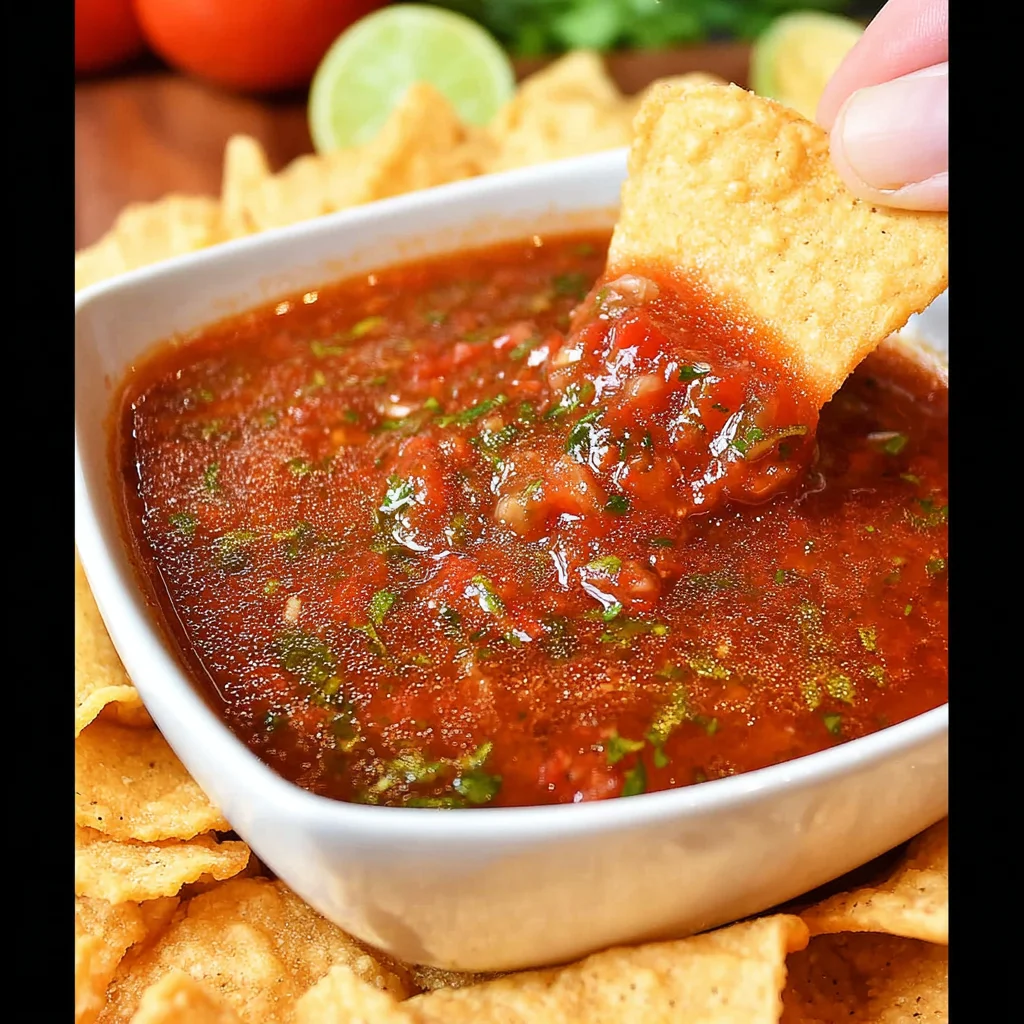
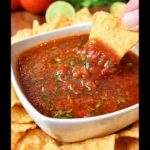
This vibrant Homemade Salsa Recipe delivers a perfect balance of smoky, tangy, and fresh flavors that far surpasses anything from a jar. After extensive testing, I’ve found that using fire-roasted tomatoes creates a deeper, more complex base, while the fresh lime and cilantro brighten every bite. It’s a versatile, crowd-pleasing dip that comes together in just minutes.
Ingredients
The magic of a great salsa lies in fresh, quality ingredients. Using fire-roasted canned tomatoes provides a wonderful smoky depth, while fresh cilantro and lime juice are non-negotiable for that authentic, bright finish.
- 28 oz fire roasted canned tomatoes
- 1/2 medium white onion
- 2 jalapeno peppers
- 2 garlic cloves
- 1 lime – juice only
- 1/3 cup fresh cilantro
- 1/2 tsp white granulated sugar
- 1 tsp salt (more or less to taste)
- 1 tsp cumin
- 1/2 tsp chipotle chili powder (more or less to taste)
Timing
| Prep Time | 15 minutes |
| Cook Time | 0 minutes |
| Total Time | 15 minutes |
Context: This fresh salsa recipe is about 50% faster than cooking a simmered version, with no stove time required. It’s the perfect make-ahead appetizer for parties or a quick weeknight taco topping.
Step-by-Step Instructions
Step 1 — Prepare the Vegetables
Roughly chop the white onion, jalapeños (remove seeds for less heat), and garlic cloves. This rough chop ensures even processing in the food processor and helps you achieve the perfect texture for your homemade salsa.
Step 2 — Pulse the Aromatics
Add the chopped onion, jalapeños, and garlic to the bowl of a food processor. Pulse 5-7 times until the ingredients are finely minced but not pureed. (Pro tip: Pulsing, rather than running continuously, gives you more control over the final texture).
Step 3 — Add the Tomatoes and Spices
Pour in the entire can of fire-roasted tomatoes with their juices. Add the cumin, chipotle chili powder, sugar, and salt. The sugar isn’t for sweetness but to balance the acidity of the tomatoes, a trick I’ve found essential in my recipe tests.
Step 4 — Process to Desired Consistency
Pulse the mixture 8-10 times until it reaches your preferred chunkiness. For a restaurant-style salsa, aim for a texture with small, distinct pieces. Unlike blending, pulsing prevents the salsa from becoming watery.
Step 5 — Incorporate Fresh Herbs and Citrus
Transfer the salsa to a mixing bowl. Fold in the freshly chopped cilantro and the juice of one lime. Stirring these in by hand at the end preserves their vibrant color and fresh flavor, which can dull if over-processed.
Step 6 — Taste and Adjust Seasoning
This is the most critical step. Taste your salsa and adjust the seasoning. You may want more salt, a pinch more chipotle powder for smoke, or another squeeze of lime for acidity. Letting it sit for 10 minutes allows the flavors to meld beautifully.
Nutritional Information
| Calories | 35 |
| Protein | 1g |
| Carbohydrates | 8g |
| Fat | 0g |
| Fiber | 2g |
| Sodium | 280mg |
This fresh salsa recipe is a low-fat, nutrient-dense option, providing a good source of Vitamin C from the tomatoes and lime, as well as antioxidants from the garlic and cilantro. Estimates are based on a 1/4-cup serving size; values may vary depending on specific brands and ingredient adjustments.
Healthier Alternatives
- For a Low-Sodium Version — Use no-salt-added fire-roasted tomatoes and reduce or omit the added salt. Boost flavor with extra lime juice, cumin, and a dash of smoked paprika.
- To Reduce Sugar — Omit the granulated sugar entirely. The natural sweetness from high-quality roasted tomatoes is often sufficient.
- For a Milder Salsa — Swap jalapeños for 1-2 poblano peppers, which offer a richer, earthier flavor with less heat, perfect for sensitive palates.
- For a Fruit-Forward Twist — Replace half the tomatoes with fresh, ripe mango or pineapple for a sweet and spicy homemade salsa variation.
- To Add More Protein — Stir in a rinsed can of black beans or corn after processing for a heartier, fiber-rich chip dip.
- For an Oil-Free Option — This recipe is naturally oil-free, making it an excellent choice for whole-food, plant-based diets.
Serving Suggestions
- As a classic dip with sturdy tortilla chips, plantain chips, or sliced jicama for a low-carb option.
- Spooned generously over grilled chicken, fish tacos, or carne asada for an instant flavor boost.
- As a vibrant topping for breakfast eggs, huevos rancheros, or a simple avocado toast.
- Mixed into cooked rice or quinoa for an easy, flavorful Spanish-style rice side dish.
- Served alongside a cooling crema or dollop of Greek yogurt to balance the spice.
- Paired with a crisp Mexican lager, a citrusy margarita, or sparkling water with lime.
This versatile salsa is a meal-prep superstar. Make a double batch on Sunday to use throughout the week—its flavor only improves after a day in the fridge.
Common Mistakes to Avoid
- Mistake: Blending instead of pulsing, which creates a watery, soupy texture. Fix: Use the pulse function on your food processor, as directed in Step 4, for perfect, controlled chunkiness.
- Mistake: Adding fresh cilantro and lime juice to the food processor. Fix: Always fold them in by hand after processing (Step 5) to preserve their bright, fresh color and flavor.
- Mistake: Skipping the taste-and-adjust step. Fix: Always let your salsa rest for 10 minutes, then taste and adjust salt, acid, or heat as in Step 6—it’s the difference between good and great.
- Mistake: Using bland, non-roasted tomatoes. Fix: Stick with fire-roasted canned tomatoes for the essential smoky depth that defines this recipe.
- Mistake: Not deseeding jalapeños for a milder salsa. Fix: Remember, the seeds and membranes hold most of the heat. Remove them completely if you want less spice.
- Mistake: Storing salsa in a large, half-empty container. Fix: Use a small, airtight container to minimize air exposure, which can dull flavors and accelerate spoilage.
Storing Tips
- Fridge: Transfer cooled salsa to an airtight container. It will stay fresh and flavorful for 5 to 7 days. For best quality, consume within 5 days.
- Freezer: For long-term storage, freeze in a sealed freezer bag or container for up to 3 months. Thaw overnight in the refrigerator. Note: the texture of fresh tomatoes may soften slightly upon thawing.
- Reheat: This is a fresh salsa meant to be served cold. Do not reheat. If using as a cooked sauce, simmer gently for 5-10 minutes, but note this will alter the fresh herb and citrus notes.
According to USDA guidelines, always store perishable dips below 40°F. For meal prep, I find dividing a batch into smaller 1-cup containers helps maintain freshness and makes for easy grab-and-go portions throughout the week.
Conclusion
This Homemade Salsa Recipe is your secret weapon for adding a burst of fresh, restaurant-quality flavor to any meal in just 15 minutes. Its smoky, complex base from fire-roasted tomatoes and bright finish from hand-stirred cilantro makes it a standout. For more fresh and easy sides, try this Zesty Cucumber Salad Recipe Easy or this Juicy Bruschetta with Balsamic Glaze Recipe. Give this salsa a try and let me know how it turns out in the comments!
Frequently Asked Questions
How many servings does this homemade salsa recipe make?
This recipe yields about 3 to 3.5 cups of salsa, which is perfect for a party dip or for meal prep. Based on a standard 1/4-cup serving size, you can expect approximately 12 to 14 servings. The yield is generous because, unlike store-bought versions, this fresh salsa contains no fillers or excess water.
What can I use if I don’t have a food processor for this salsa?
You can absolutely make this recipe without a food processor. The best alternative is to finely dice all vegetables by hand for a classic pico de gallo-style texture. For a smoother salsa, use a blender, but pulse carefully to avoid liquefying it. I’ve tested both methods, and hand-chopping gives you the most control over the final chunkiness.
Why did my homemade salsa turn out too watery?
A watery salsa is usually caused by over-processing the tomatoes, which breaks them down too much. As mentioned in the Common Mistakes section, always use the pulse function. If your salsa is already watery, drain off some liquid or let it sit in a fine-mesh strainer for 10 minutes. For prevention, you can also drain about a quarter of the liquid from the canned tomatoes before adding them to the processor.
PrintHomemade Salsa Recipe
Ingredients
- 28 oz fire roasted canned tomatoes
- 1/2 medium white onion
- 2 jalapeno peppers
- 2 garlic cloves
- 1 lime – juice only
- 1/3 cup fresh cilantro
- 1/2 tsp white granulated sugar
- 1 tsp salt (more or less to taste)
- 1 tsp cumin
- 1/2 tsp chipotle chili powder (more or less to taste)
Instructions
- Combine all the ingredients in a blender and pulse a few times until it's blended to small, coarse chunks. Don't make it too chunky because you don't' want to bite into a big piece of garlic or jalapeno.
- Serve right away to transfer into a glass jar with a lid and refrigerate.
- Cooking Tortilla Chips (Optional):