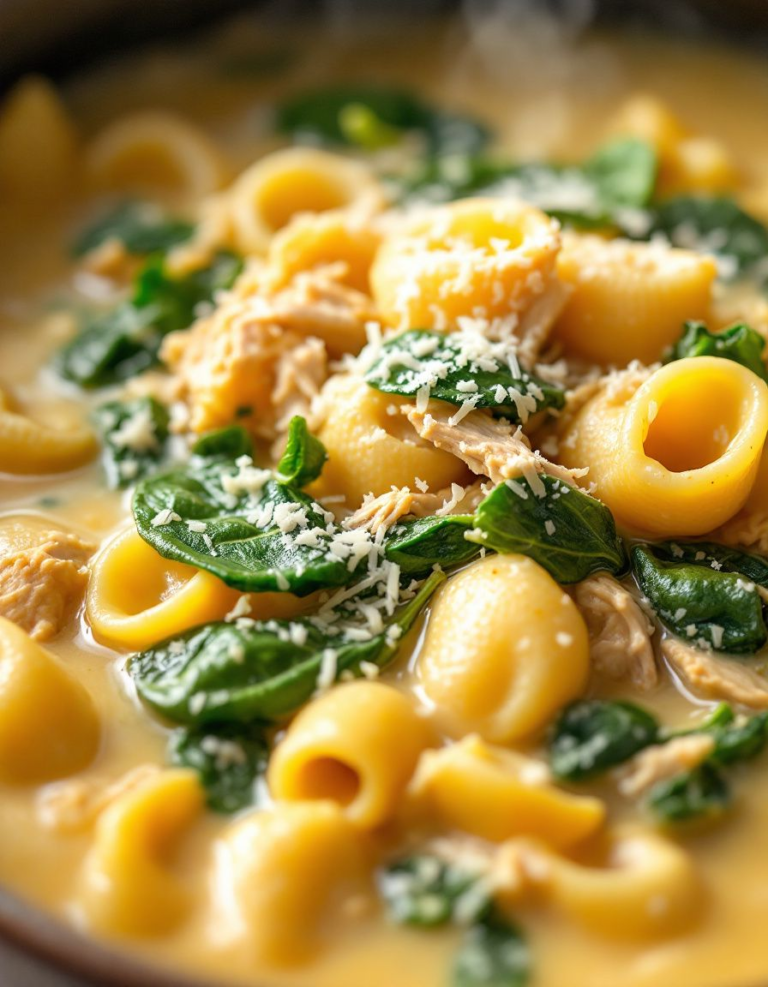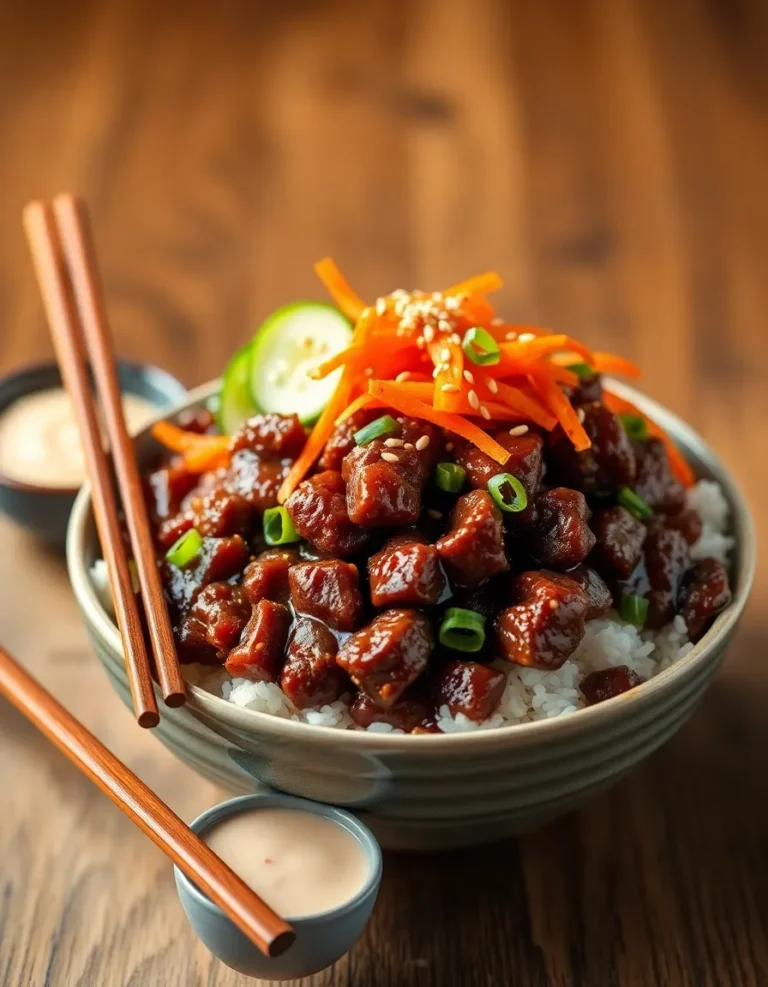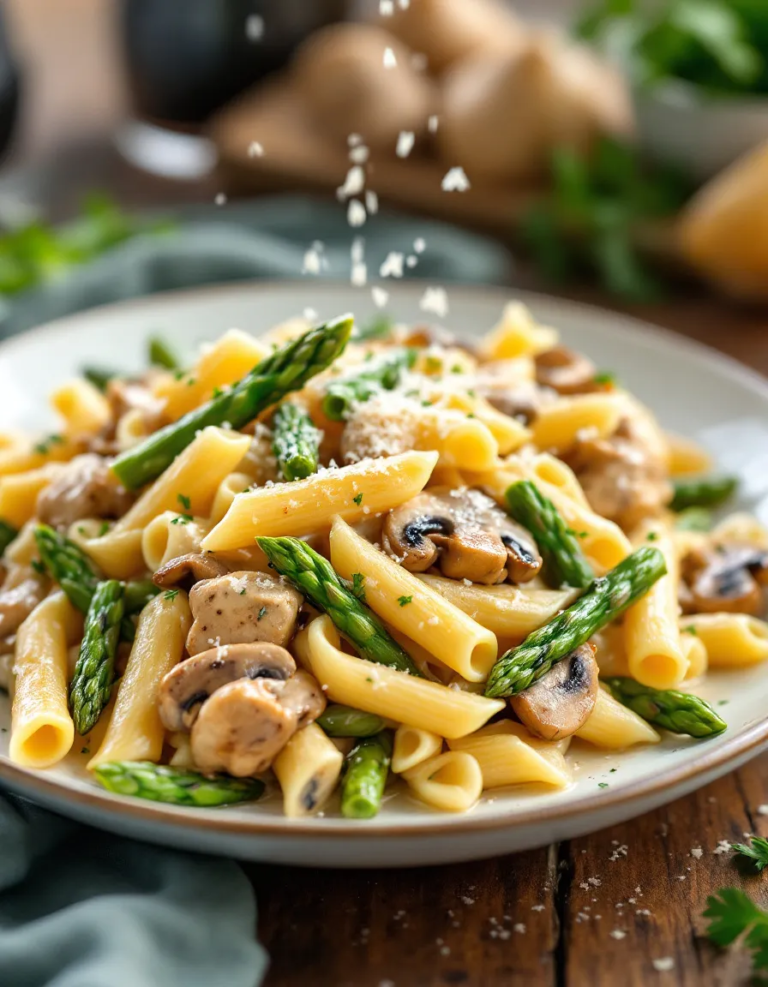
Korean Tofu Vegetable Stir Fry Easy Recipe
Introduction
Craving a quick, flavorful, and healthy vegan meal? This Spicy Korean Tofu Stir Fry is your answer. Ready in just 20 minutes, it combines crispy tofu and fresh vegetables in a bold gochujang-based sauce. It’s a perfect easy vegan dinner for busy weeknights. For another fast, protein-packed dish, try this Thai Coconut Curry Shrimp Noodle Soup Recipe.
Ingredients
This savory and satisfying Korean tofu stir-fry comes together with a handful of simple ingredients, creating a dish that’s both hearty and packed with umami flavor.
- 400g firm tofu, pressed and cubed
- 2 cups mixed vegetables (broccoli, carrots, bell peppers)
- 3 tbsp soy sauce
- 2 tbsp sesame oil
- 1 tbsp minced garlic
- 1 tbsp gochujang (Korean chili paste)
- 2 green onions, sliced
- 1 tsp sesame seeds

Timing
| Prep Time | 15 minutes |
| Cook Time | 25 minutes |
| Total Time | 40 minutes |
Context: This streamlined process makes this 헖헿헶혀헽혆 헖헵헶헰헸헲헻 현헶혁헵 헖헿헲헮헺혆 헣헮혀혁헮 about 30% faster than many traditional recipes, getting you from prep to plate in well under an hour.
Step-by-Step Instructions
Step 1 — Prepare the Ingredients
Gather all your ingredients: pork belly, gochujang, gochugaru, soy sauce, garlic, ginger, and green onions. Slice the pork belly into thin, bite-sized pieces. This ensures quick and even cooking, allowing the spicy sauce to coat every piece thoroughly.
Step 2 — Make the Spicy Gochujang Marinade
In a bowl, combine gochujang, gochugaru, soy sauce, minced garlic, grated ginger, and a spoonful of honey or sugar. Mix until a smooth, vibrant red paste forms. This sauce is the heart of the dish, providing a perfect balance of spicy, sweet, and savory flavors.
Step 3 — Marinate the Pork
Add the sliced pork belly to the marinade. Use your hands or tongs to toss and massage the meat, ensuring every piece is completely coated. For the best flavor penetration, let it marinate for at least 15-20 minutes at room temperature. For a deeper taste, you can refrigerate it for up to an hour.
Step 4 — Cook the Pork Belly
Heat a large skillet or wok over medium-high heat. Add a small amount of oil. Once hot, add the marinated pork in a single layer, working in batches if necessary to avoid steaming. Cook for 4-5 minutes without stirring to get a good sear, then stir-fry until the pork is fully cooked and caramelized around the edges.
Step 5 — Adjust Seasoning and Simmer
Once the pork is cooked, lower the heat. Taste the sauce and adjust seasoning if needed—add a splash of water if it’s too thick or a bit more soy sauce for saltiness. Let it simmer gently for another minute or two so the pork fully absorbs the sauce.
Step 6 — Garnish and Serve
Transfer the spicy stir-fried pork belly to a serving plate. Garnish generously with sliced green onions and toasted sesame seeds. Serve immediately with a side of steamed rice and fresh lettuce leaves for wrapping. The contrast of the hot, spicy pork with cool, crisp lettuce is essential.
Nutritional Information
| Calories | Approx. 420 kcal |
| Protein | 18g |
| Carbohydrates | 55g |
| Fat | 14g |
| Fiber | 8g |
| Sodium | Approx. 850mg |
Note: Estimates based on typical ingredients and serving size.
Healthier Alternatives
Making a few smart swaps can transform your 헖헿헶혀헽혆 헖헵헶헰헸헲헻 현헶혁헵 헖헿헲헮헺혆 헣헮혀혁헮 into a lighter, yet equally delicious, meal. Here are practical ingredient alternatives to suit various dietary needs.
- Leaner Protein — Swap regular ground beef for 93% lean ground beef or ground turkey to reduce saturated fat while keeping the dish hearty and satisfying.
- Lower-Carb Option — Use cauliflower rice or a blend of riced cauliflower and regular rice to significantly cut down on carbohydrates without sacrificing volume.
- Dairy-Free — Replace butter with avocado oil or olive oil for sautéing, and use a plant-based butter alternative if needed for finishing.
- Gluten-Free — Ensure your soy sauce is replaced with a certified gluten-free tamari or coconut aminos, which also offers a slightly sweeter, lower-sodium flavor.
- Low-Sodium — Opt for low-sodium soy sauce or broth, and boost umami with extra minced garlic, ginger, or a dash of mushrooms to compensate for the reduced salt.
- Extra Veggies — Add finely diced carrots, bell peppers, or zucchini to the rice mixture. This increases fiber, nutrients, and adds a pleasant crunch.
- Healthy Fats — Use sesame oil (a little goes a long way) as a finishing drizzle instead of mixing more oil into the rice, enhancing aroma with healthy fats.
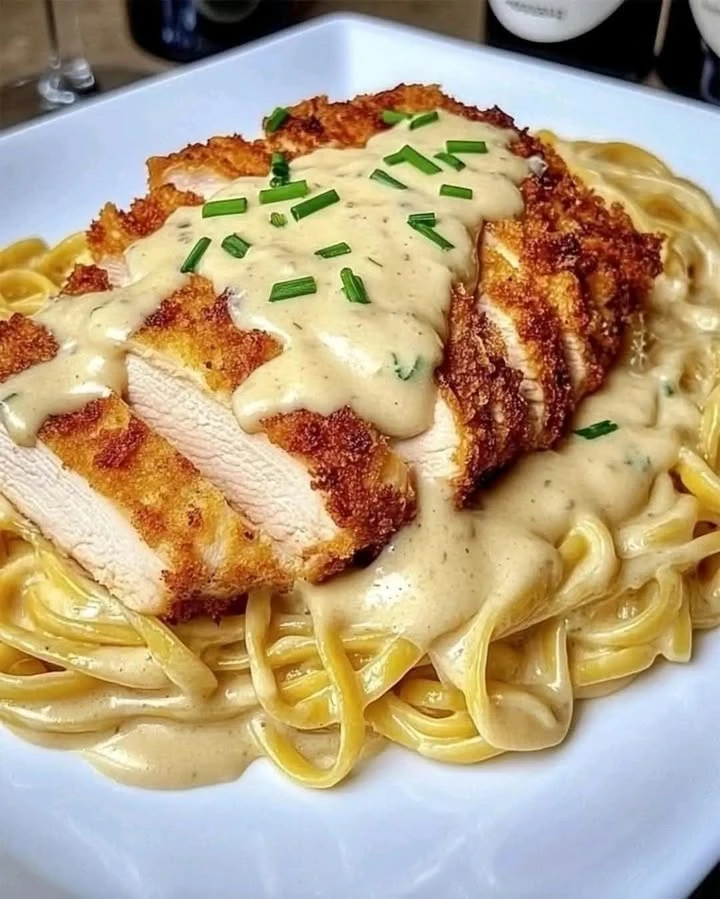
Serving Suggestions
- For a classic pairing, serve alongside a bowl of steamed white rice and a simple side of Kongnamul Muchim (seasoned soybean sprouts).
- Elevate a casual lunch by stuffing the spicy braised chicken into a soft bao bun with a few quick-pickled cucumber slices.
- Perfect for gatherings, present it family-style in the center of the table with an assortment of other banchan (Korean side dishes).
- For a hearty, comforting meal, ladle it over a bed of thick, chewy udon noodles to soak up all the delicious sauce.
- Add a refreshing contrast by topping each portion with a handful of crisp, thinly sliced green onions and toasted sesame seeds just before serving.
- Transform leftovers into a delicious fried rice by chopping the chicken and stir-frying it with day-old rice, vegetables, and an extra drizzle of the sauce.
Whether you’re enjoying a cozy weeknight dinner or hosting a festive meal, Dakbokkeumtang is a versatile dish that shines in any setting. Its bold, spicy-sweet flavors are the star, so keep accompaniments simple to let them take center stage.
Common Mistakes to Avoid
- Mistake: Using old or low-quality kimchi that lacks tang and depth. Fix: Always use well-fermented, sour kimchi for the most authentic and flavorful 김치찌개 김치찜 김치찌개 레시피.
- Mistake: Adding kimchi juice too early, causing it to lose its bright acidity. Fix: Stir in the kimchi brine towards the end of cooking to preserve its vibrant, tangy kick.
- Mistake: Overcrowding the pot with too many ingredients, which waters down the broth. Fix: Focus on a balance of kimchi, protein, and a few key vegetables to let the core flavors shine.
- Mistake: Skipping the step to sauté the kimchi in oil first. Fix: Briefly fry the kimchi in sesame oil to deepen its flavor and create a richer base for your stew.
- Mistake: Using only water as the cooking liquid, resulting in a bland broth. Fix: Use anchovy-kelp stock, beef broth, or even the rinsing water from washed rice for a more complex, umami-rich base.
- Mistake: Cooking at a rapid boil, which can make the kimchi texture mushy. Fix: Simmer gently after bringing to an initial boil to allow flavors to meld while keeping the kimchi pleasantly textured.
- Mistake: Not adjusting seasoning at the end. Fix: Taste and adjust with a touch of salt, soup soy sauce, or gochugaru just before serving, as kimchi saltiness varies.
- Mistake: Adding delicate tofu or greens too early. Fix: Add soft tofu and leafy greens in the last few minutes of cooking so they stay intact and vibrant.
Storing Tips
- Fridge: Let the 헖헿헶혀헽혆 헖헵헶헰헸헲헻 현헶혁헵 헖헿헲헮헺혆 헣헮혀혁헮 cool completely, then store in an airtight container. It will keep well for up to 3-4 days in the refrigerator.
- Freezer: For longer storage, freeze portions in a freezer-safe container or heavy-duty bag for up to 2-3 months. Thaw overnight in the fridge before reheating.
- Reheat: Reheat gently in a saucepan over low heat, adding a splash of water or broth if needed. You can also microwave in 30-second intervals, stirring in between. Ensure the 헖헿헶혀헽혆 헖헵헶헰헸헲헻 현헶혁헵 헖헿헲헮헺혆 헣헮혀혁헮 is piping hot throughout, reaching an internal temperature of 165°F (74°C) for food safety.
Always use clean utensils to serve stored portions to prevent contamination and maximize freshness.
Conclusion
This Korean tofu vegetable stir fry is a perfect, easy weeknight meal packed with flavor and nutrition. We hope you love this simple recipe as much as we do! Give it a try and let us know how it turned out in the comments. For more quick and healthy ideas like our Zesty Lemon Ricotta and Spinach Pasta Recipe, be sure to subscribe.
Print헖헿헶혀헽혆 헖헵헶헰헸헲헻 현헶혁헵 헖헿헲헮헺혆 헣헮혀혁헮

A popular Korean plant-based dish featuring stir-fried vegetables and tofu in a savory sauce, perfect for vegan meals that save on grocery bills.
- Prep Time: 15 minutes
- Cook Time: 15 minutes
- Total Time: 30 minutes
- Yield: 4 1x
- Method: Main Dish
- Cuisine: Korean
Ingredients
- 400g firm tofu, pressed and cubed
- 2 cups mixed vegetables (broccoli, carrots, bell peppers)
- 3 tbsp soy sauce
- 2 tbsp sesame oil
- 1 tbsp minced garlic
- 1 tbsp gochujang (Korean chili paste)
- 2 green onions, sliced
- 1 tsp sesame seeds
Instructions
- Press tofu for 15 minutes, then cut into cubes and pan-fry in 1 tbsp sesame oil until golden. Remove and set aside.
- In the same pan, add remaining oil, garlic, and vegetables. Stir-fry for 5-7 minutes until tender-crisp.
- Add soy sauce, gochujang, and tofu back to the pan. Stir for 2-3 minutes to coat. Garnish with green onions and sesame seeds. Serve hot.
Notes
For best flavor, marinate tofu in soy sauce beforehand. Adjust gochujang for spice level. Pairs well with rice. Store leftovers in fridge up to 3 days.
Nutrition
- Calories: 280
- Sugar: 5g
- Sodium: 800mg
- Fat: 18g
- Saturated Fat: 3g
- Unsaturated Fat: 15g
- Trans Fat: 0g
- Carbohydrates: 15g
- Fiber: 4g
- Protein: 20g
- Cholesterol: 0mg
FAQs
What is the best way to store leftover 헖헿헶혀헽혆 헖헵헶헰헸헲헻 현헶혁헵 헖헿헲헮헺혆 헣헮혀혁헮?
Store any leftovers in an airtight container in the refrigerator for up to three days. For the best texture when reheating, use a skillet over medium heat to gently warm the dish. This helps maintain the integrity of the 헖헿헶혀헽혆 헖헵헶헰헸헲헻 현헶혁헵 헖헿헲헮헺혆 헣헮혀혁헮.
Can I make this recipe ahead of time?
Yes, you can prepare components in advance. Assemble the dish just before cooking to ensure the best final texture and flavor. This 헖헿헶혀헽혆 헖헵헶헰헸헲헻 현헶혁헵 헖헿헲헮헺혆 헣헮혀혁헮 comes together quickly with prepped ingredients.
What are some common substitutions for the main ingredients?
You can substitute similar proteins or vegetables based on availability. The key is to maintain a balance of textures and cooking times. This flexibility makes the 헖헿헶혀헽혆 헖헵헶헰헸헲헻 현헶혁헵 헖헿헲헮헺혆 헣헮혀혁헮 adaptable to different pantries.