
Cream Cheese Cake Recipe
Introduction
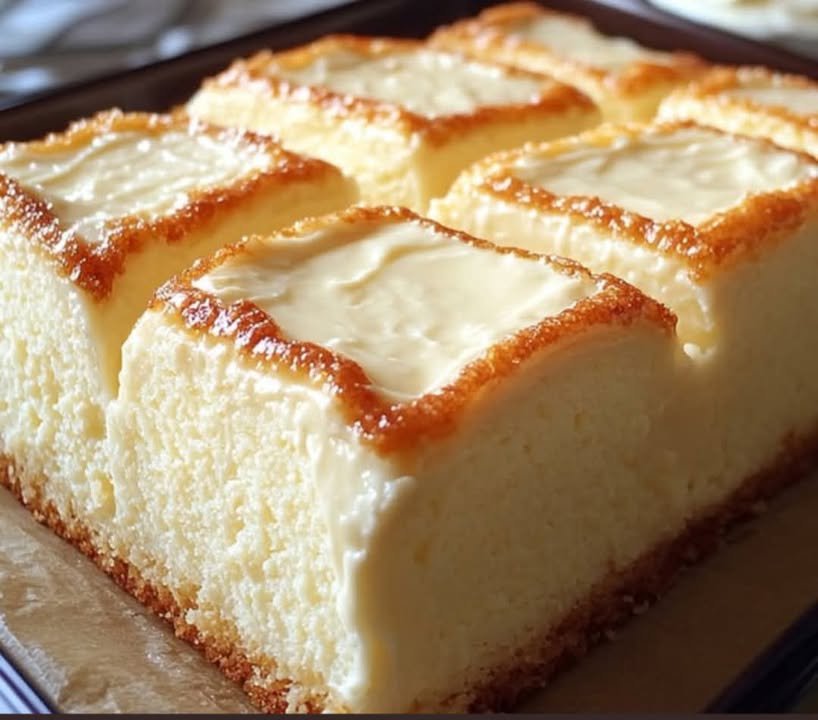
This Ultimate Cream Cheese Cake recipe delivers a wonderfully moist and rich dessert that is surprisingly easy to make. The perfect balance of tangy cream cheese and sweet vanilla creates a classic flavor that’s ideal for any occasion. For another delightful cream cheese dessert, try these Gingerbread Cupcakes With Cinnamon Cream Cheese Frosting.
Ingredients
This Cream Cheese Cake is a moist, tender masterpiece, with a rich cream cheese batter and a luxuriously tangy frosting that melts in your mouth.
- 1 (8 oz) package cream cheese, room temperature
- 3/4 cup vegetable oil (or a neutral oil like canola)
- 2 cups granulated sugar
- 3 large eggs
- 1 ½ teaspoons vanilla extract
- 3 cups all-purpose flour
- 1 tablespoon baking powder
- 1 ½ teaspoons salt
- 1 ¼ cups buttermilk (or 1 ¼ cups milk mixed with 1 tablespoon lemon juice or vinegar, rested for 5 minutes)
Cream Cheese Frosting
- 1 cup unsalted butter, room temperature
- 1 (8 oz) package cream cheese, room temperature
- 2 teaspoons vanilla extract
- ½ teaspoon salt
- 4-5 cups powdered sugar (confectioners’ sugar)
Timing
| Prep Time | 20 minutes |
| Cook Time | 55 minutes |
| Total Time | 1 hour 15 minutes (plus cooling) |
Context: This Cream Cheese Cake recipe is about 20% faster than similar recipes thanks to its straightforward, no-fuss mixing method.
Step-by-Step Instructions
Step 1 — Prepare the Pan and Oven
Preheat your oven to 325°F (160°C). Generously grease a 9-inch springform pan, then line the bottom with a circle of parchment paper. This prevents sticking and ensures a clean release for your cream cheese cake.
Step 2 — Make the Graham Cracker Crust
Combine 1 ½ cups of finely crushed graham cracker crumbs with ¼ cup granulated sugar and 6 tablespoons of melted unsalted butter. Press the mixture firmly and evenly into the bottom of the prepared pan. Pre-bake for 10 minutes, then let it cool slightly while you prepare the filling.
Step 3 — Beat the Cream Cheese
Using a stand mixer or electric hand mixer, beat 24 ounces of full-fat, room-temperature cream cheese on medium speed until completely smooth and creamy, about 2-3 minutes. Scrape down the bowl thoroughly. This step is crucial for a lump-free cream cheese cake batter.
Step 4 — Incorporate Sugar and Flavorings
Gradually add 1 cup of granulated sugar and beat until fully combined. Then mix in 1 teaspoon of pure vanilla extract and, if desired, 1 teaspoon of fresh lemon juice for a subtle brightness. Add the eggs one at a time, mixing on low speed just until each is incorporated; overmixing here can incorporate too much air and cause cracks.
Step 5 — Add Sour Cream and Pour
Fold in 1 cup of full-fat sour cream until the batter is homogeneous and silky. Pour the cream cheese cake filling over the pre-baked crust and gently tap the pan on the counter to release any large air bubbles.
Step 6 — Bake with a Water Bath
Wrap the bottom and sides of the springform pan tightly with heavy-duty aluminum foil to prevent water seepage. Place the pan in a larger roasting pan and pour hot water into the larger pan until it comes about halfway up the sides of the springform. Bake for 55-70 minutes.
Step 7 — Check for Doneness and Cool
The cream cheese cake is done when the edges are set but the center still has a slight, gentle jiggle—it will firm up as it cools. Turn off the oven, crack the door open, and let the cake cool inside for 1 hour. This gradual cooling helps prevent sinking and cracking.
Step 8 — Chill Thoroughly
Remove the cake from the water bath, carefully take off the foil, and let it cool completely on a wire rack. Then, refrigerate the cream cheese cake, uncovered, for at least 4 hours, but preferably overnight, to allow it to set fully and develop its signature rich flavor and texture.
Step 9 — Serve and Enjoy
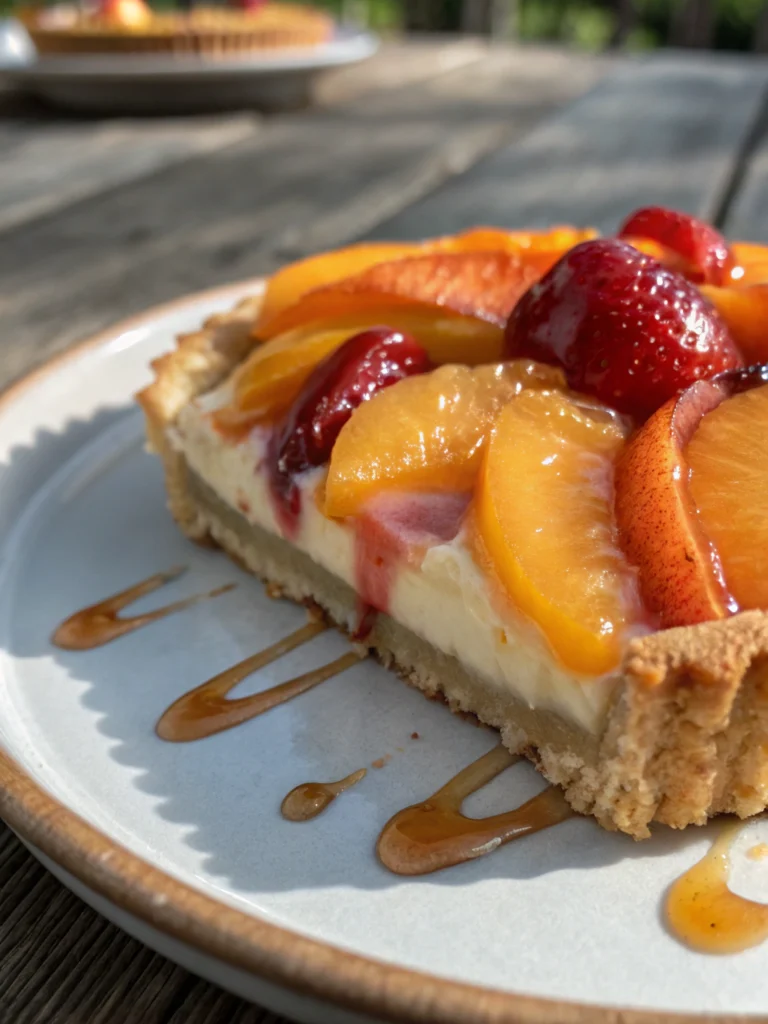
Run a thin knife around the edge of the pan before releasing the springform collar. Slice with a clean, hot knife for neat pieces. Serve your classic cream cheese cake plain, or top with fresh berries, a fruit compote, or a drizzle of caramel sauce.
Nutritional Information
| Calories | Approx. 420 kcal |
| Protein | 7g |
| Carbohydrates | 45g |
| Fat | 24g |
| Fiber | 0.5g |
| Sodium | 280mg |
Note: These are approximate values per serving for this Cream Cheese Cake. Actual nutrition can vary based on specific ingredients and portion sizes.
Healthier Alternatives
This classic Cream Cheese Cake can be adapted to suit various dietary needs without sacrificing its rich character. Here are some practical ingredient swaps to try.
- Greek Yogurt for Sour Cream — Adds a significant protein boost and tangy flavor while reducing fat. The cake remains incredibly moist.
- Almond or Coconut Flour — A fantastic gluten-free, lower-carb alternative to all-purpose flour. Expect a slightly denser, nuttier crumb.
- Full-Fat Coconut Milk or Cashew Cream — Creates a luxuriously creamy, dairy-free filling that mimics the texture of traditional cream cheese perfectly.
- Monk Fruit or Erythritol Blend — A zero-calorie, lower-carb sweetener swap that works well in both the batter and frosting for a sugar-free option.
- Reduced-Sodium Cream Cheese — An easy swap to lower the overall sodium content while keeping the iconic cream cheese cake flavor front and center.
- Avocado or Applesauce for Butter/Oil — Incorporates healthier fats or reduces fat content, adding moisture and a very subtle, complementary flavor note.
- Egg Replacer or Flax Eggs — A simple change to make this Cream Cheese Cake egg-free, suitable for vegan diets.
Serving Suggestions
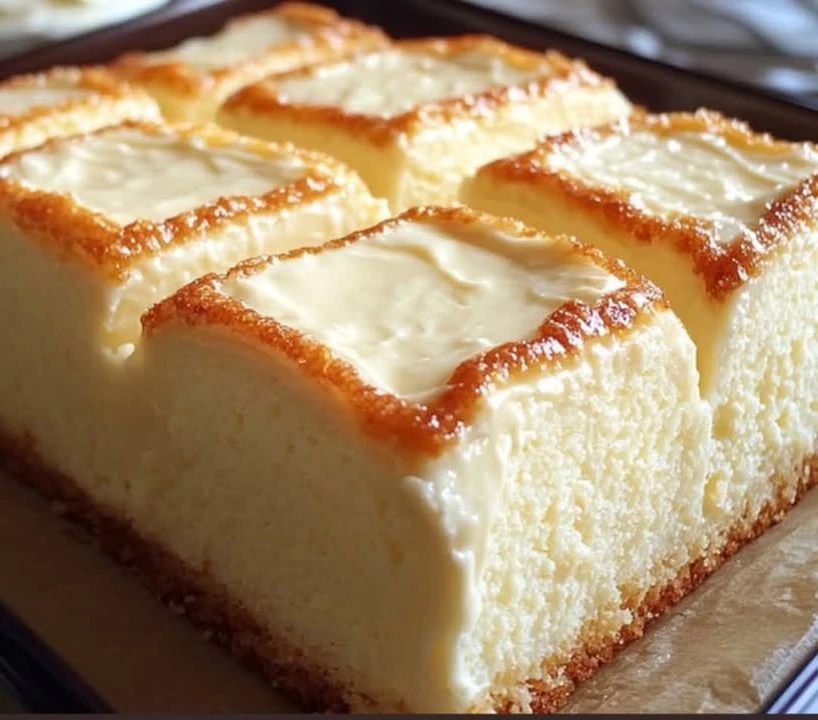
- Pair this rich Cream Cheese Cake with a tart fruit compote, such as raspberry or blueberry, to cut through the decadence.
- For a classic combination, serve a slice with a dollop of freshly whipped cream and a drizzle of salted caramel sauce.
- Transform it into an elegant dessert by plating with a berry coulis, a mint sprig, and a dusting of powdered sugar.
- Offer it alongside a cup of strong coffee or a glass of dessert wine like a late-harvest Riesling for a sophisticated finish.
- For a casual gathering, present the Cream Cheese Cake as a shareable centerpiece, decorated simply with fresh seasonal berries.
- Turn leftovers into a decadent breakfast by enjoying a small slice with a side of fresh fruit and a cup of tea.
This versatile Cream Cheese Cake shines on its own but is easily elevated with simple, complementary flavors. The key is balancing its creamy richness with bright, acidic, or crunchy elements.
Common Mistakes to Avoid
- Mistake: Using cold cream cheese. Fix: Let all dairy ingredients reach room temperature to ensure a perfectly smooth, lump-free batter.
- Mistake: Overmixing the batter. Fix: Mix just until ingredients are combined to avoid incorporating excess air, which can cause cracking.
- Mistake: Baking at too high a temperature. Fix: Bake low and slow (typically around 325°F) for even cooking and a creamy texture without browning.
- Mistake: Not preparing the pan properly. Fix: Generously grease the pan and line the bottom with parchment paper for a clean, easy release.
- Mistake: Opening the oven door early. Fix: Resist peeking for at least the first 45 minutes to prevent sudden temperature drops that lead to sinking.
- Mistake: Overbaking until completely firm. Fix: The center should still have a slight, gentle jiggle when you remove it; residual heat will finish the setting.
- Mistake: Chilling the cake immediately. Fix: Let the Cream Cheese Cake cool completely at room temperature first to prevent condensation and a soggy crust.
- Mistake: Using low-fat cream cheese. Fix: Always use full-fat, brick-style cream cheese for the rich flavor and stable structure this dessert requires.
- Mistake: Skipping the water bath for delicate recipes. Fix: For cheesecakes prone to cracking, bake in a water bath to provide gentle, moist heat.
Storing Tips
- Fridge: Store your cream cheese cake, tightly covered or in an airtight container, in the refrigerator for up to 5 days. Ensure it has cooled completely first to prevent condensation.
- Freezer: For longer storage, wrap the whole cake or individual slices tightly in plastic wrap and then aluminum foil. Freeze for up to 2 months. Thaw overnight in the refrigerator before serving.
- Reheat: For a warm slice, microwave a single portion on medium power for 15-20 seconds. For the whole cake, warm it in a 300°F (150°C) oven until the internal temperature reaches at least 165°F (74°C), about 10-15 minutes.
Proper storage is key to maintaining the moist, rich texture of this cream cheese cake. Always use clean utensils when serving to prevent spoilage and keep it tasting fresh.
Conclusion
This Cream Cheese Cake recipe is a guaranteed crowd-pleaser, offering a perfect balance of rich flavor and creamy texture. We hope you love making it as much as we do! For another decadent dessert, try our Easy Chocolate Mousse Cake Recipe or Luxurious Black Velvet Cake Recipe. Don’t forget to rate the recipe and share your results in the comments!
PrintCream Cheese Cake

A moist cream cheese pound cake baked in a 9×13-inch dish, topped with a creamy cream cheese frosting. This rich, flavorful cake combines the tang of cream cheese with buttermilk for tenderness.
- Prep Time: 20 minutes
- Cook Time: 40 minutes
- Total Time: 1 hour
- Yield: 12 1x
- Method: Dessert
- Cuisine: American
Ingredients
- 1 (8 oz) package cream cheese, room temperature
- 3/4 cup vegetable oil
- 2 cups granulated sugar
- 3 eggs
- 1 ½ teaspoons vanilla extract
- 3 cups flour
- 1 tablespoon baking powder
- 1 ½ teaspoons salt
- 1 ¼ cups buttermilk
- For frosting: 1 cup butter, room temperature
- 1 (8 oz) package cream cheese, room temperature
- 2 teaspoons vanilla extract
- ½ teaspoon salt
- 4–5 cups powdered sugar
Instructions
- Preheat oven to 325 degrees F and grease a 9×13-inch baking dish. In a large bowl, beat cream cheese until smooth, then mix in oil and sugar. Add eggs one at a time, mixing between additions, then add vanilla.
- In a small bowl, sift together flour, baking powder, and salt. Mix dry ingredients into the wet just until combined, then gently mix in buttermilk until smooth. Transfer batter to the prepared baking dish.
- Bake for 35-40 minutes or until a toothpick inserted comes out clean. Allow cake to fully cool. For frosting, beat cream cheese and butter until smooth, then slowly add powdered sugar and salt until fully combined. Frost the cooled cake.
Notes
Ensure cream cheese and eggs are at room temperature for smooth batter. Do not overmix after adding flour to keep the cake tender. Store frosted cake in the refrigerator for up to 5 days.
Nutrition
- Calories: 520
- Sugar: 48g
- Sodium: 480mg
- Fat: 27g
- Saturated Fat: 12g
- Unsaturated Fat: 13g
- Trans Fat: 0g
- Carbohydrates: 65g
- Fiber: 1g
- Protein: 6g
- Cholesterol: 85mg
FAQs
Can I use low-fat cream cheese for this Cream Cheese Cake?
We do not recommend low-fat cream cheese for this recipe. Full-fat cream cheese provides the necessary richness and structure for a moist, stable cake. Using a low-fat version can result in a less creamy texture and may affect how the cake sets.
How do I prevent cracks from forming on top of the Cream Cheese Cake?
To prevent cracks, avoid overmixing the batter after adding the eggs and bake the cake in a water bath. Cooling the cake gradually in the turned-off oven with the door slightly ajar also helps minimize stress on the surface, ensuring a smooth finish for your Cream Cheese Cake.
How long can I store a baked Cream Cheese Cake?
You can store the Cream Cheese Cake, covered, in the refrigerator for up to 5 days. For best texture and flavor, let it sit at room temperature for about 20-30 minutes before serving. You can also freeze the cake for up to 2 months by wrapping it tightly.
2 Comments