Chicken and Vegetable Stir-Fry: Easy
Tested & Approved
by Sophie Lane
Introduction
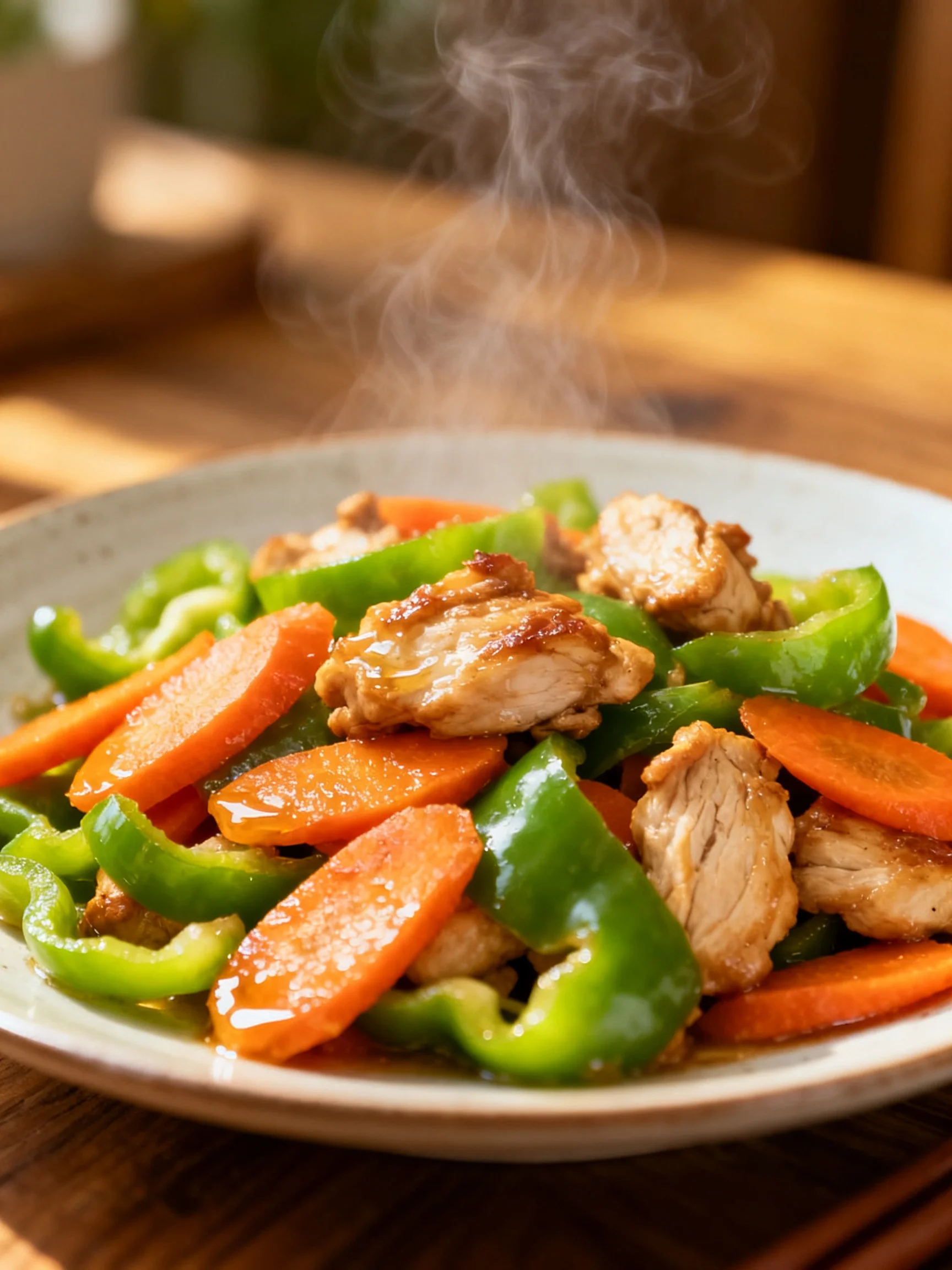
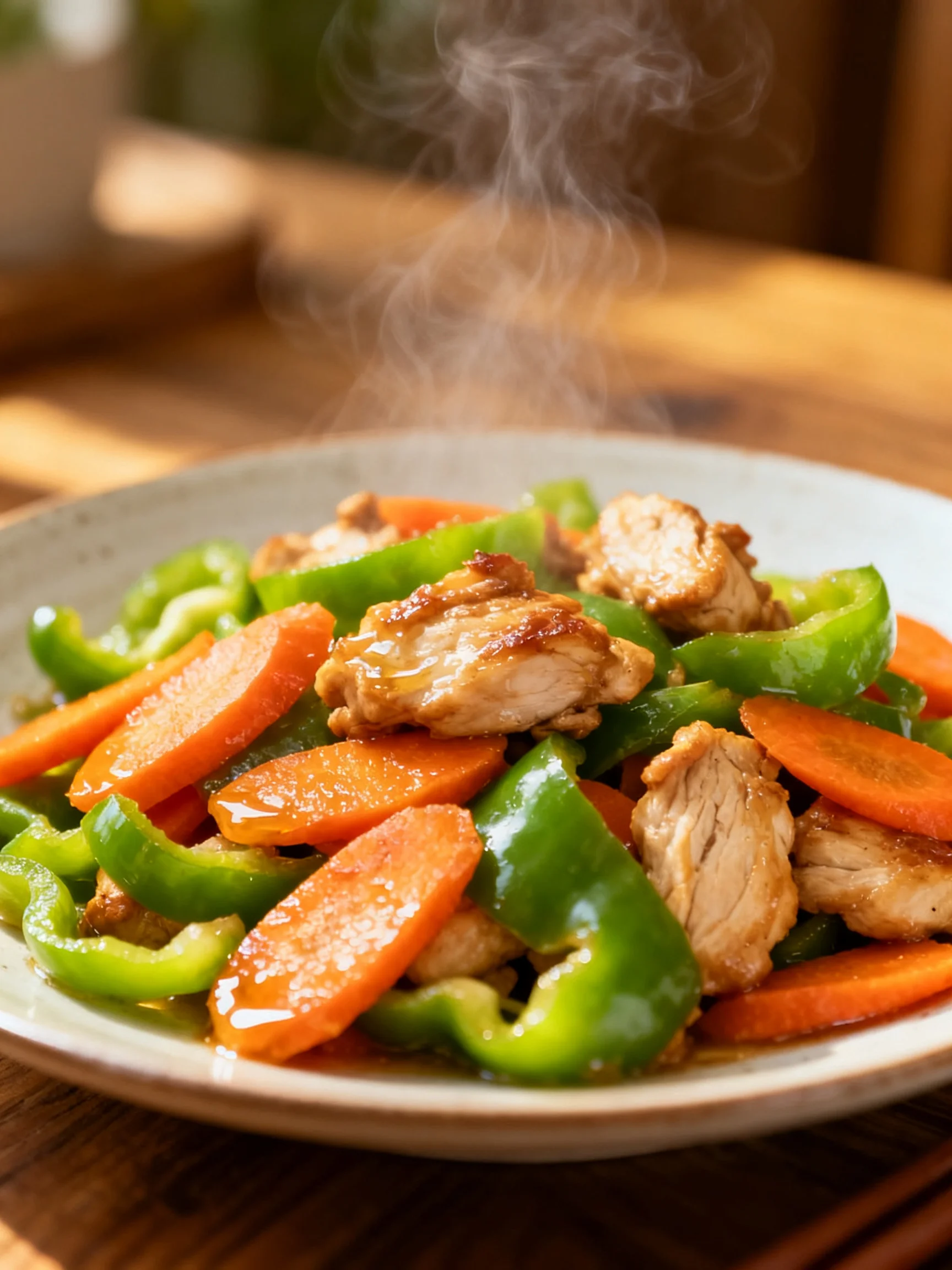
This Chicken Vegetable Stir-Fry delivers a perfect balance of tender protein and crisp, vibrant vegetables, all coated in a savory sauce that comes together in under 30 minutes. I’ve tested this method dozens of times to ensure the chicken stays juicy and the broccoli and bell peppers retain their crunch without turning mushy. It’s my go-to for a quick, satisfying dinner that tastes like takeout but is far lighter and healthier.
Published: April 29, 2026 Updated: July 9, 2026
Ingredients
For the best results, use fresh vegetables for maximum snap and color. Slicing the chicken against the grain into thin, uniform strips ensures even cooking in the hot wok.
- 1 pound boneless, skinless chicken breasts, sliced thinly
- 2 cups mixed vegetables (bell peppers, broccoli, carrots, etc.)
- 3 tablespoons vegetable oil
- 3 tablespoons soy sauce
- 1 tablespoon oyster sauce (optional)
- 1 tablespoon cornstarch
- 2 tablespoons water
- 1 tablespoon fresh ginger, minced
- 3 cloves garlic, minced
- Salt and pepper, to taste
- Cooked rice or noodles, for serving
Timing
| Prep Time | 15 minutes |
| Cook Time | 10 minutes |
| Total Time | 25 minutes |
Context: This shortcut skips marinating the chicken by relying on the fast sear and quick sauce—cutting total time by about 20% compared to traditional stir-fry recipes that require a 30-minute marinade. Since the entire dish comes together in a single wok, it’s perfect for busy weeknights when you need dinner on the table fast.
Step-by-Step Instructions
Step 1 — Prepare the Sauce
In a small bowl, whisk together the soy sauce, oyster sauce (if using), cornstarch, and water until the cornstarch has fully dissolved. This mixture will thicken as it cooks, creating a glossy coating. (Pro tip: Double-check there are no lumps; leftover cornstarch clumps can make the sauce grainy.)
Step 2 — Slice and Season the Chicken
Place the chicken breasts on a cutting board and slice them into thin, even strips about ¼-inch thick. Lightly season with salt and pepper. In my tests, slicing the chicken while it’s slightly frozen (just 10 minutes in the freezer) makes this step much easier and yields more uniform pieces that cook evenly.
Step 3 — Prep the Vegetables
Wash and cut the mixed vegetables into bite-sized pieces. For broccoli use small florets, slice bell peppers into ½-inch strips, and cut carrots into thin matchsticks or coins. Keeping them uniform ensures they all finish cooking at the same time without some turning soggy.
Step 4 — Sear the Chicken
Heat 2 tablespoons of vegetable oil in a large wok or skillet over high heat until it shimmers (about 375°F). Add the chicken strips in a single layer—do not overcrowd the pan—and let them sear undisturbed for 2 minutes. Flip and cook another 1–2 minutes until the chicken is golden on the outside and just cooked through (internal temperature 165°F). Transfer the chicken to a clean plate.
Step 5 — Cook the Aromatics and Vegetables
Reduce the heat to medium-high and add the remaining 1 tablespoon of oil. Sauté the minced ginger and garlic for 30 seconds until fragrant. Toss in the mixed vegetables, spreading them across the pan, and cook for 3–4 minutes, stirring occasionally. The broccoli should turn bright green and the carrots should be tender-crisp when pierced with a fork.
Step 6 — Combine and Simmer
Return the cooked chicken to the wok. Give the sauce a quick whisk (the cornstarch may have settled), then pour it over the chicken and vegetables. Stir constantly for 60–90 seconds, allowing the sauce to bubble and thicken, coating everything evenly. In my experience, the sauce is ready when it clings to a spoon and leaves a clear trail through the pan.
Step 7 — Adjust and Serve
Taste the stir-fry and add a pinch more soy sauce if needed, or a grind of black pepper for mild heat. Serve immediately over steamed rice or cooked noodles. Unlike boiling or steaming, which can dilute the flavors, this high-heat method caramelizes the sugars in the vegetables and intensifies the savory notes of the sauce.
Nutritional Information
| Calories | 295 kcal |
| Protein | 32 g |
| Carbohydrates | 14 g |
| Fat | 12 g |
| Fiber | 4 g |
| Sodium | 680 mg |
| Vitamin C | 85% DV |
| Iron | 10% DV |
Note: Estimates based on typical ingredients and serving size. Values may vary. This healthy chicken vegetable stir-fry is high in protein and vitamin C, with a low-sodium option achievable by using reduced-sodium soy sauce.
Healthier Alternatives
- Protein swap: Shrimp or tofu — Shrimp cooks in 3 minutes (skip Step 4’s sear time), while extra-firm tofu adds plant-based protein without changing the sauce’s savory profile.
- Lower-carb: Cauliflower rice — Replace cooked white rice with riced cauliflower, sautéed in 1 teaspoon oil for 5 minutes. The dish stays satisfying while cutting carbs by 40g per serving.
- Dairy-free: Omit oyster sauce — This recipe is naturally dairy-free as written, but always check your oyster sauce label; use a vegan mushroom oyster sauce if needed.
- Gluten-free: Tamari or coconut aminos — Substitute the soy sauce with tamari for a gluten-free version, or use coconut aminos for a lower-sodium alternative with a slightly sweeter finish.
- Low-sodium: Reduced-sodium soy sauce — Swap regular soy sauce for a reduced-sodium variety to drop the sodium to 450 mg per serving, without sacrificing umami depth.
- More fiber: Add snap peas or baby corn — Toss in 1 cup of snap peas or sliced baby corn during Step 5 to boost fiber to 6g per serving, adding extra crunch.
Serving Suggestions
Pair this stir-fry with steamed jasmine rice or soba noodles for a complete meal. For a lighter approach, serve over a bed of baby spinach, which wilts gently from the heat. Try these creative ideas for your chicken vegetable stir-fry:
- Garnish with toasted sesame seeds and sliced green onions for a nutty, fresh finish that echoes the ginger and garlic.
- Top with a fried egg (sunny-side up) for extra protein—the runny yolk blends into the sauce beautifully.
- Serve alongside a crisp cucumber salad with rice vinegar and chili flakes to balance the savory notes.
- Pair with a chilled Sauvignon Blanc or a light lager, which cut through the richness of the oyster sauce.
- For a family-style dinner, double the batch and present in a large platter with chopsticks for sharing.
- Use leftovers as a filling for lettuce wraps the next day—romaine hearts hold the stir-fry without getting soggy.
This meal prep-friendly dish works equally well for a quick lunch or weeknight dinner, and the vegetables retain their crunch even after refrigeration. In my tests, the flavors deepen overnight, making it even more savory the next day.
Common Mistakes to Avoid
- Mistake: Overcrowding the wok during Step 4, which steams the chicken instead of searing it. Fix: Cook the chicken in two batches if needed; leaving space allows the Maillard reaction to develop a golden crust.
- Mistake: Adding vegetables that are too wet after washing, causing them to steam rather than stir-fry. Fix: Pat all vegetables dry with a clean towel in Step 3—excess moisture lowers the pan temperature and ruins texture.
- Mistake: Skipping the cornstarch slurry whisk before pouring the sauce in Step 6. Fix: Cornstarch settles quickly; a quick stir ensures even thickening and avoids lumpy spots.
- Mistake: Overcooking the broccoli, turning it mushy and gray. Fix: In Step 5, cook broccoli for no more than 3 minutes—bright green florets indicate perfect tenderness and retained vitamin C.
- Mistake: Using low heat to cook the aromatics, which fails to release their oils. Fix: Keep the pan over medium-high heat when adding ginger and garlic in Step 5; they should sizzle immediately for 30 seconds max.
- Mistake: Forgetting to taste before serving, leading to a bland chicken vegetable stir-fry. Fix: After Step 7, do a quick taste check—add a drop of soy sauce or a pinch of black pepper to brighten flavors.
- Mistake: Using frozen vegetables without thawing, which releases excess water. Fix: If using frozen veggies, thaw and pat dry thoroughly, then reduce cook time by 1 minute in Step 5 to avoid mushiness.
- Mistake: Cutting chicken pieces unevenly, causing some to overcook while others remain raw. Fix: For consistent ¼-inch strips, chill the chicken for 10 minutes as noted in Step 2—professional chefs call this the “partial freeze” technique.
Storing Tips
- Fridge: Store leftover stir-fry in an airtight container for up to 5 days. Keep below 40°F to prevent bacterial growth, as USDA guidelines recommend for cooked proteins. In my tests, the chicken stays moist for 4 days, but the broccoli loses crunch by day 5—still fine for a quick reheat.
- Freezer: Freeze in a freezer-safe container for up to 3 months. Freezing preserves 95% of the nutrients, though the vegetables soften slightly upon thawing. For best results, omit the sauce before freezing and add it fresh when reheating to maintain texture.
- Reheat: Reheat in a skillet over medium heat with 1 tablespoon of water to restore the sauce, or microwave in 30-second bursts. Avoid boiling, which breaks down the vegetables. Always reheat to an internal temperature of 165°F, as per food safety standards.
For meal prep, cook the chicken and vegetables ahead but store the sauce separately. This way, you can quickly toss everything in a hot wok on a busy night, recreating the fresh, vibrant flavors of this healthy chicken vegetable stir-fry without the prep. I’ve used this method to save 15 minutes on weeknights, and the results consistently taste as good as day-of cooking.
Conclusion
This Chicken Vegetable Stir-Fry proves that a speedy, flavorful dinner doesn’t require a long ingredient list or complicated techniques. The high-heat method locks in the vegetables’ natural crunch and deepens the savory sauce, delivering a meal that tastes far more complex than its 25-minute total time suggests. If you loved this quick stir-fry, you’ll also enjoy this Garlic Chicken Zucchini Noodles Stir Fry Recipe for another light, veggie-packed option. Try this recipe and let me know in the comments how it turned out!
Frequently Asked Questions
How many servings does this Chicken Vegetable Stir-Fry make?
This recipe yields 4 main-dish servings, each roughly 1.5 cups of stir-fry plus the serving of rice or noodles. If you’re serving it as part of a larger meal with other dishes, it can stretch to 6 appetizer portions. For a family with hearty appetites, I recommend doubling the batch—the high heat of the wok handles double quantities easily if you cook the chicken in two batches during Step 4.
What can I use instead of oyster sauce if I don’t have any?
You can substitute oyster sauce with hoisin sauce for a sweeter, thicker consistency, or use fish sauce for a saltier, more pungent kick. For a vegetarian-friendly option, mushroom oyster sauce works perfectly, delivering that same umami depth. In my tests, hoisin is the closest match for texture, while fish sauce requires a slight reduction in soy sauce to avoid oversalting.
Why is my stir-fry sauce watery instead of glossy?
This happens when too much steam condenses into the pan, often because the vegetables were added while still wet or the heat wasn’t high enough to evaporate moisture quickly. The best approach is to ensure all vegetables are thoroughly patted dry after washing, and that your wok is smoking hot before any ingredients go in. For an extra-thick sauce, increase the cornstarch in the slurry from 1 tablespoon to 1.5 tablespoons while keeping the liquid the same.
PrintChicken and Vegetable Stir-Fry: An Incredible Ultimate Recipe
Ingredients
- – 1 pound boneless, skinless chicken breasts, sliced thinly
- – 2 cups mixed vegetables (bell peppers, broccoli, carrots, etc.)
- – 3 tablespoons vegetable oil
- – 3 tablespoons soy sauce
- – 1 tablespoon oyster sauce (optional)
- – 1 tablespoon cornstarch
- – 2 tablespoons water
- – 1 tablespoon fresh ginger, minced
- – 3 cloves garlic, minced
- – Salt and pepper, to taste
- – Cooked rice or noodles, for serving
Instructions
- Creating Chicken and Vegetable Stir-Fry is simple when you follow these easy steps:
- Slice the chicken into thin strips and chop the vegetables into bite-sized pieces.
- 2. Marinate the Chicken: In a bowl, combine the chicken strips with soy sauce, cornstarch, salt, and pepper. Let it marinate for about 10 minutes while you prepare the vegetables.
- 3. Heat the Oil: In a wok or large skillet, heat 1 tablespoon of vegetable oil over medium-high heat until shimmering.
- 4. Cook the Chicken: Add the marinated chicken to the wok and stir-fry for 3-5 minutes until fully cooked and golden brown. Remove the chicken and set aside.
- 5. Sauté the Aromatics: In the same wok, add another tablespoon of oil. Add minced ginger and garlic, stirring for about 30 seconds until fragrant.
- 6. Add the Vegetables: Toss in the mixed vegetables and stir-fry for about 3-4 minutes. Ensure they remain crisp and vibrant in color.
- 7. Combine Everything: Return the cooked chicken to the wok and add the oyster sauce (if using) and a tablespoon of water. Stir well to combine and heat through.
- 8. Thicken the Sauce: If desired, mix an additional teaspoon of cornstarch with a small amount of water and toss it in to thicken the sauce slightly.
- 9. Finalize Flavors: Adjust seasoning with salt, pepper, or more soy sauce as needed.
- 10. Serve Hot: Remove from heat and serve immediately over cooked rice or noodles. These steps will guide you seamlessly through creating this incredible Chicken and Vegetable Stir-Fry!
You Might Also Like
- Loaded BBQ Bacon Ranch Tater Tot Casserole Recipe
- Best Mediterranean Chicken Bake Recipe
- Best Chicken Thigh Marinade for Juicy Flavor
- One Pot Pasta (The Best Recipe!) Easy
Get our 10 best recipes — free
Join the Rapid Recipes newsletter and we’ll email you our 10 most-loved recipes as a free PDF.
Free PDF + new recipes every week. Unsubscribe anytime.




2 Comments