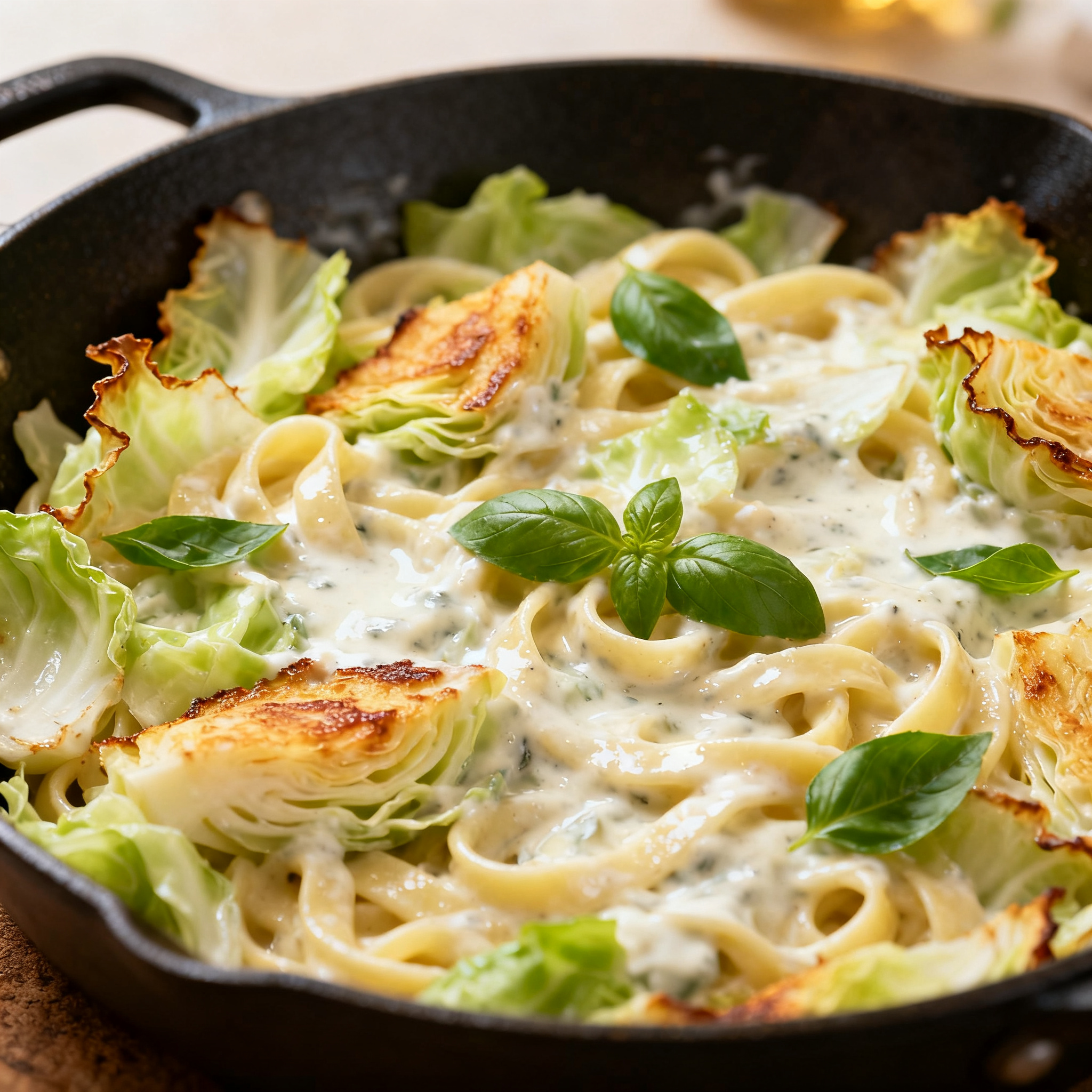
Cabbage Alfredo Skillet – Easy Comfort Dinner
Tested & Approved
by Sophie Lane
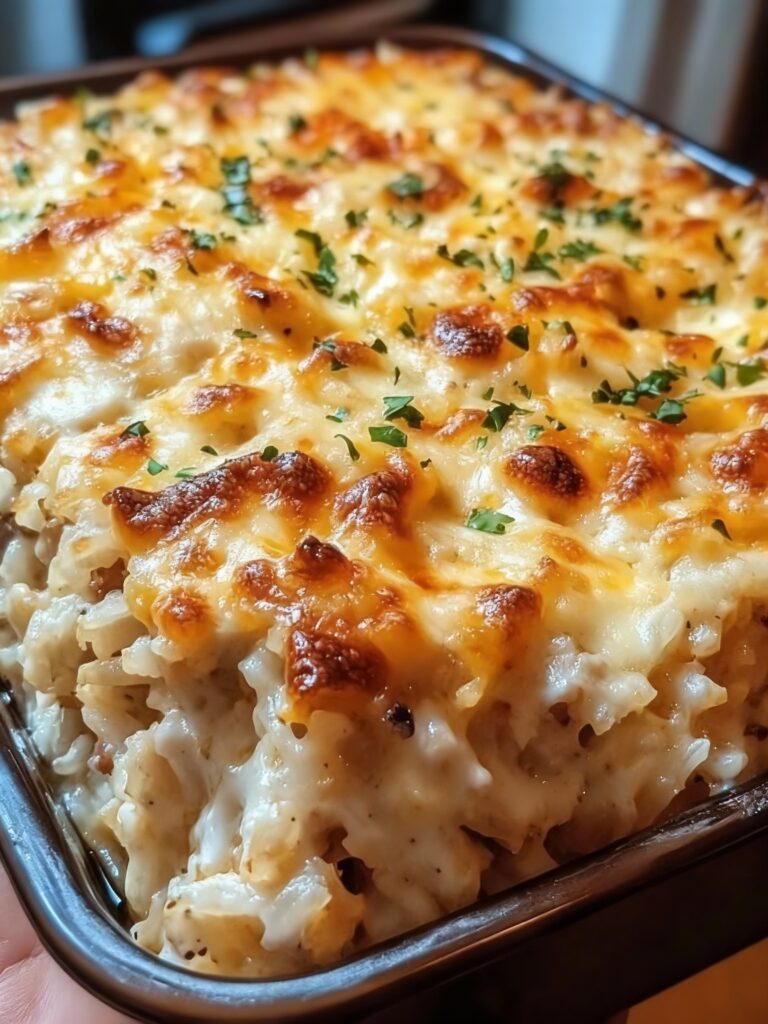
This cabbage alfredo skillet skips the soggy, boiled-cabbage trap entirely by charring the wedges hard in bacon fat first, so every ribbon comes out caramelized and sweet instead of waterlogged. The alfredo gets built right in that same skillet, picking up all the browned bits, bacon, and a hit of nutmeg and lemon so it never turns into a one-note cream bath. It's a genuinely fast, low-carb, one-pan dinner that eats like something you'd order, not something you'd apologize for.
Published: August 12, 2026
Simple, everyday ingredients and clear, step-by-step instructions — every recipe made in Dorothy"s kitchen before it reaches yours. Jump to the full recipe card below.
PrintCabbage Alfredo Skillet – Easy Comfort Dinner
A one-pan cabbage alfredo skillet with caramelized cabbage wedges, crisp bacon, and a nutmeg-lemon alfredo sauce built right in the fond.
- Prep Time: 15 minutes
- Cook Time: 25 minutes
- Total Time: 40 minutes
- Yield: 4 1x
- Method: Stovetop, One-Pan
- Cuisine: American Comfort
Ingredients
- 1 medium head green cabbage, cored and cut into 1-inch wedges or thick ribbons
- 4 slices thick-cut bacon, chopped
- 3 tablespoons unsalted butter, divided
- 3 cloves garlic, minced
- 1 cup chicken broth (or vegetable broth)
- 1 cup heavy cream
- 1 cup freshly grated Parmesan
- 1/2 cup shredded Gruyere or fontina
- 1/4 teaspoon freshly grated nutmeg
- 1 teaspoon lemon juice or apple cider vinegar
- Salt and black pepper, to taste
- Pinch of red pepper flakes, optional
- 2 tablespoons chopped fresh parsley, for serving
Instructions
- In a large skillet over medium heat, cook the chopped bacon until crisp, about 6 minutes. Remove with a slotted spoon and set aside, leaving the fat in the pan.
- Add 1 tablespoon butter to the bacon fat and raise heat to medium-high. Working in batches so the pan isn"t crowded, sear the cabbage wedges cut-side down without moving them for 3-4 minutes, until deeply caramelized and charred in spots. Flip and repeat on the other side, then season with salt and remove to a plate.
- Lower heat to medium, melt the remaining 2 tablespoons butter, and sauté the garlic for 30 seconds until fragrant. Pour in the broth and scrape up any browned bits stuck to the pan.
- Stir in the heavy cream and let it come to a gentle simmer for 2-3 minutes. Remove the skillet from the heat and whisk in the Parmesan and Gruyere in small handfuls until the sauce is smooth.
- Stir in the nutmeg, lemon juice, and black pepper. Return the seared cabbage and bacon to the skillet, tossing gently to coat everything in the sauce. Set over low heat for 2-3 minutes, just until the cabbage is tender-crisp.
- Top with parsley and red pepper flakes if using, and serve immediately.
Notes
Do not crowd the skillet when searing the cabbage — if the wedges touch, they steam instead of caramelizing, and you lose the flavor the whole dish depends on. Always pull the pan off the heat before adding cheese so the sauce stays silky instead of splitting. For a vegetarian version, skip the bacon, sear the cabbage in olive oil plus a splash of extra butter, and use vegetable broth. Leftovers keep 3 days refrigerated; reheat gently with a splash of cream or broth since the sauce thickens as it sits.
Almost every cabbage alfredo skillet you"ll find online treats cabbage like an afterthought: steam it, wilt it, drown it in sauce. The problem is that cabbage is mostly water, and steaming it just adds more water to a sauce that already can"t afford it — you end up with a thin, gray, disappointing alfredo. The fix is to treat cabbage the way you"d treat cauliflower steaks or a good pan of Brussels sprouts: cut it into thick wedges or ribbons, get the skillet ripping hot, and let the cut sides sit untouched until they"re deeply caramelized, almost charred in spots. That caramelization does two things at once — it drives off the excess moisture before the sauce ever shows up, and it converts cabbage"s raw, sulfurous edge into something sweet and almost meaty.
The other move that sets this apart is building the alfredo directly in the fond left behind from rendering bacon and searing the cabbage. That browned residue on the bottom of the skillet is concentrated flavor, and deglazing it with broth before the cream goes in means the sauce tastes like the whole dish, not just butter and cheese. A pinch of fresh nutmeg and a small hit of lemon juice or vinegar at the end keep it from tipping into the flat, heavy richness that makes most alfredo sauces boring after three bites — cabbage"s slight bitterness wants that acid, and it"s the difference between a sauce that coats and a sauce that just sits there.
The mistake I"d flag hardest: crowding the pan. If the cabbage wedges are touching each other, they steam instead of sear, and you lose the entire point of the technique — work in batches even if it feels slow, and don"t stir until you see real color on the first side. Also resist the urge to add the cheese over direct heat; pull the skillet off the burner first and whisk it in gradually, or it breaks into a grainy, oily mess instead of a silky sauce. If you don"t have gruyere, a sharp white cheddar or fontina both melt beautifully and add their own nutty edge; savoy or napa cabbage work here too and cook faster, so start checking for that caramelized color a few minutes earlier. For a heartier plate, spoon it over egg noodles, rice, or thick toast — the sauce is generous enough to stretch.
Frequently Asked Questions
Why does my cabbage alfredo skillet turn out watery?
Cabbage is mostly water, so if it's steamed or boiled before the sauce goes in, it dilutes everything. Searing the wedges hard and undisturbed in a hot skillet drives off that excess moisture and caramelizes the edges instead, which is the whole point of this method.
Can I use a different cabbage for this recipe?
Yes. Savoy cabbage has more crinkled surface area and caramelizes beautifully, while napa cabbage cooks faster and turns tender sooner, so pull it off heat a bit earlier than you would green cabbage.
Is cabbage alfredo skillet low-carb or keto-friendly?
It is naturally low-carb since cabbage replaces pasta entirely, and the sauce is cream and cheese based, making it a solid keto-friendly comfort dinner as written.
Can I make this ahead of time?
You can sear the cabbage and cook the bacon a day ahead and refrigerate separately, then make the alfredo sauce fresh and combine everything right before serving so the cabbage doesn't turn mushy from sitting in the sauce.
What can I serve with cabbage alfredo skillet?
It stands on its own as a main, but it's also great spooned over egg noodles, rice, or crusty toasted bread to soak up the extra sauce, or alongside a simply grilled chicken breast for a heartier plate.
Get our 10 best recipes — free
Join the Rapid Recipes newsletter and we’ll email you our 10 most-loved recipes as a free PDF.
Free PDF + new recipes every week. Unsubscribe anytime.