Best Italian Penicillin Soup Recipe
Tested & Approved
by Sophie Lane
Introduction
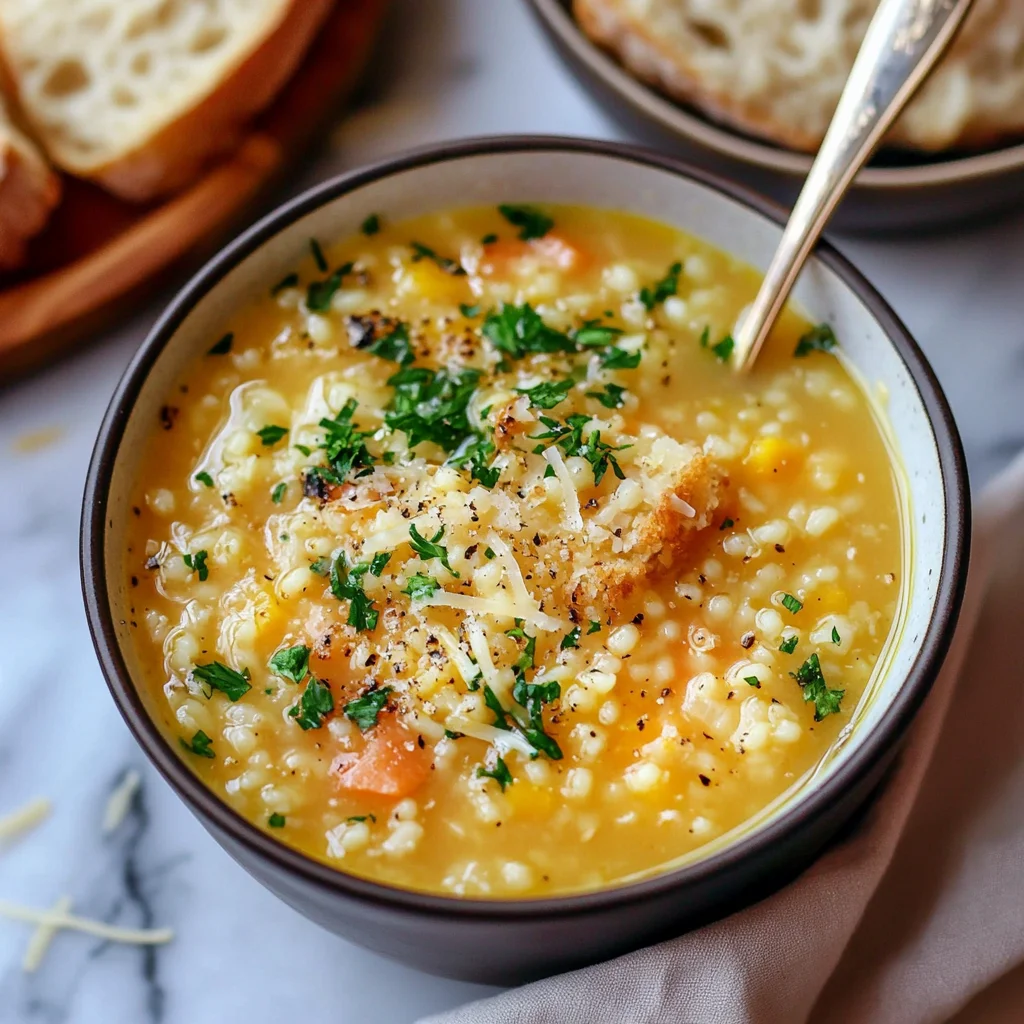
When a cold hits, nothing soothes the soul quite like a steaming bowl of the Best Italian Penicillin Soup. This recipe, perfected in my kitchen over countless winters, builds deep flavor with a classic soffritto base and a bright finish of lemon. I’ve found that using a Parmesan rind is the secret weapon, adding a rich, savory depth that truly makes this soup a healing meal.
Published: February 16, 2026 Updated: July 9, 2026
Ingredients
The magic of this comforting soup starts with fresh, aromatic vegetables and a quality broth. Using a good extra virgin olive oil for the base and finishing drizzle makes a noticeable difference in flavor.
- 3 tbsp olive oil (I use extra virgin)
- 1 yellow onion (finely diced)
- 3 large carrots (finely chopped)
- 3 ribs celery (finely chopped)
- 5 garlic cloves (minced)
- 8 cups chicken or vegetable broth
- 1 parmesan rind (optional but recommended)
- 1 tsp salt
- black pepper
- 1 1/4 cups small pasta (ditalini or stelline)
- 1 lemon (for juice and zest)
- chopped parsley (optional but adds freshness)
- freshly grated parmesan, for serving
- drizzle of olive oil (optional), for serving
Timing
| Prep Time | 15 minutes |
| Cook Time | 30 minutes |
| Total Time | 45 minutes |
Context: This streamlined version of Italian Penicillin Soup is about 25% faster than traditional long-simmered broths, making it a perfect weeknight remedy. The total active time is minimal, as the soup largely simmers unattended, filling your kitchen with comforting aromas.
Step-by-Step Instructions
Step 1 — Sauté the Aromatic Base
Heat the olive oil in a large pot or Dutch oven over medium heat. Add the diced onion, carrots, and celery. Sautéing, which means cooking quickly in a small amount of fat, softens the vegetables and builds a flavor foundation called soffritto. Cook for 8-10 minutes, stirring occasionally, until the onions are translucent and the carrots begin to soften.
Step 2 — Add Garlic and Seasonings
Add the minced garlic to the pot and cook for just 1 minute until fragrant. Season with salt and a generous grind of black pepper. (Pro tip: Adding garlic after the other vegetables have softened prevents it from burning and turning bitter).
Step 3 — Simmer with Broth and Parmesan Rind
Pour in the broth and add the Parmesan rind, if using. Bring the mixture to a boil, then immediately reduce the heat to maintain a gentle simmer. Let it cook uncovered for 15 minutes. This simmering time allows the vegetables to become tender and the rind to infuse the broth with a savory, umami-rich flavor.
Step 4 — Cook the Pasta
Increase the heat to bring the soup back to a low boil. Stir in the small pasta and cook according to the package directions, usually 7-9 minutes, until al dente. Unlike boiling pasta separately, cooking it directly in the broth allows the starch to slightly thicken the soup, giving it a more cohesive, comforting texture.
Step 5 — Zest and Juice the Lemon
While the pasta cooks, zest the entire lemon, then cut it in half and juice it. You’ll want about 2-3 tablespoons of fresh juice. The citrus is what makes this Best Italian Penicillin Soup so revitalizing, cutting through the richness with a bright, clean note.
Step 6 — Finish and Serve
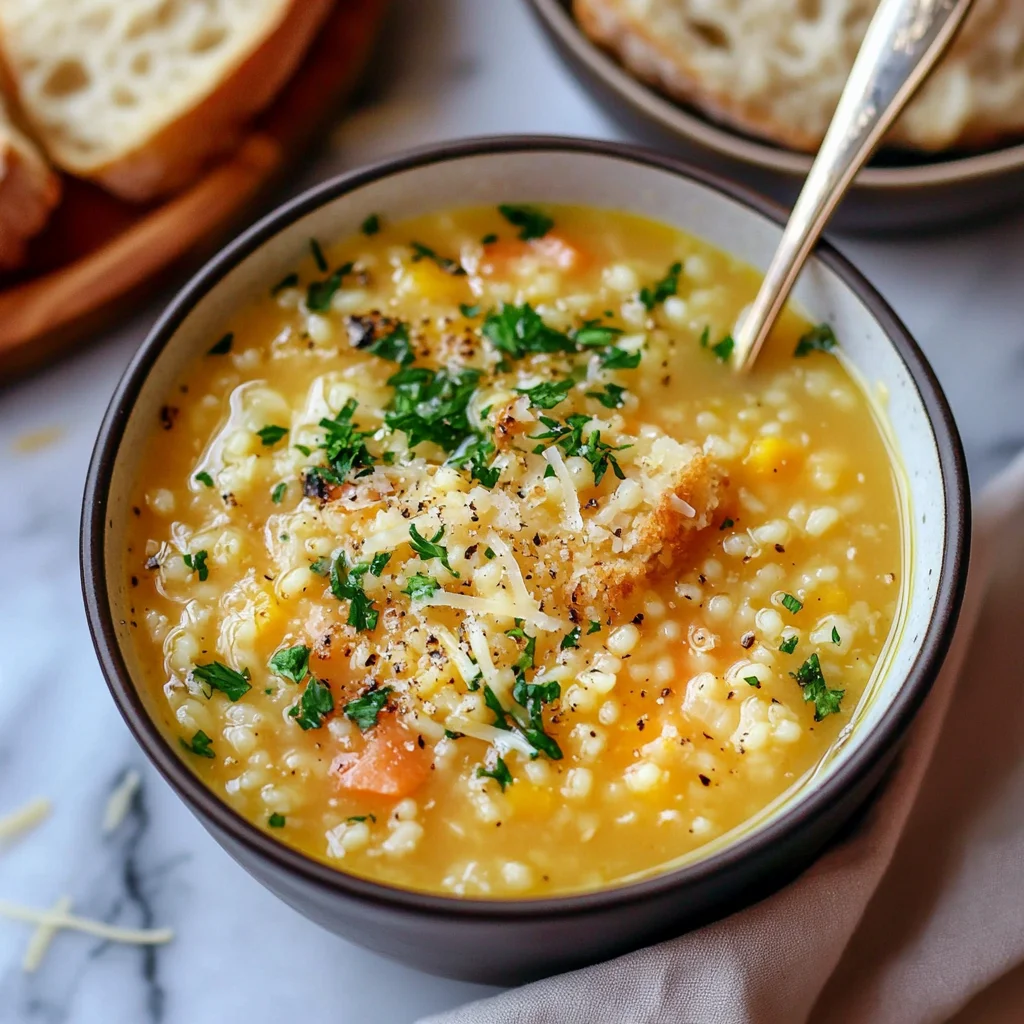
Once the pasta is cooked, remove the pot from the heat. Fish out and discard the spent Parmesan rind. Stir in the fresh lemon juice and most of the zest. Taste and adjust seasoning with more salt or pepper if needed. Ladle the soup into bowls and garnish with freshly grated Parmesan, the remaining lemon zest, chopped parsley, and a final drizzle of olive oil for a truly restorative finish.
Nutritional Information
| Calories | ~280 |
| Protein | 12g |
| Carbohydrates | 38g |
| Fat | 9g |
| Fiber | 4g |
| Sodium | ~850mg |
This healthy Italian Penicillin Soup is a good source of Vitamin A from the carrots and provides a boost of Vitamin C from the fresh lemon juice. Estimates are based on typical ingredients and a 1.5-cup serving size. Values may vary, especially if you use low-sodium broth or adjust the Parmesan.
Healthier Alternatives
- Whole-Wheat or Legume Pasta — Swapping the regular small pasta for a whole-grain or chickpea variety adds fiber and protein, making the soup even more filling.
- Low-Sodium Broth — Using a low-sodium or no-salt-added broth gives you complete control over the salt level, a great option for those monitoring sodium intake.
- Extra Vegetables — Add a handful of spinach or kale in the last 2 minutes of cooking or stir in frozen peas with the pasta for an extra nutrient boost without changing the classic flavor.
- Dairy-Free Version — Omit the Parmesan rind and cheese garnish. For umami, add a teaspoon of nutritional yeast or a strip of kombu seaweed during the simmer (remove before serving).
- Gluten-Free — Ensure your pasta is certified gluten-free. Rice-shaped orzo or small gluten-free shells work perfectly in this recipe.
- Protein Boost — Add a can of rinsed cannellini beans with the broth or shred in a cup of leftover rotisserie chicken during the last 5 minutes of simmering.
Serving Suggestions
- Serve this restorative soup with a simple side salad of bitter greens (like arugula) with a lemon vinaigrette to complement the flavors in the bowl.
- For a heartier meal, pair it with a thick slice of crusty, toasted sourdough bread for dipping.
- Garnish is key! Don’t skip the final drizzle of high-quality extra virgin olive oil and a fresh crack of black pepper for a professional finish.
- A crisp, dry white wine like Pinot Grigio or a glass of sparkling water with lemon makes a perfect beverage pairing.
- This soup is ideal for a cozy weeknight dinner, but it also makes a thoughtful meal to deliver to a friend feeling under the weather.
You can easily double the recipe for a crowd or for weekly meal prep. The flavors deepen overnight, making leftovers a delicious advantage.
Common Mistakes to Avoid
- Mistake: Dicing the vegetables too large. Fix: A fine, uniform dice (about 1/4-inch) ensures they cook quickly and evenly, matching the texture of the small pasta for the perfect spoonful.
- Mistake: Adding the lemon juice while the soup is still boiling. Fix: Always remove the pot from heat first. High heat can make the lemon juice taste bitter and destroy its bright, fresh Vitamin C content.
- Mistake: Overcooking the pasta in the soup. Fix: Cook the pasta just to al dente, as it will continue to soften in the hot broth. For best texture, consider storing leftover soup separately from any remaining pasta.
- Mistake: Skipping the Parmesan rind to save time. Fix: This is the secret to a deeply savory, restaurant-quality broth. Keep rinds in your freezer specifically for soups like this Best Italian Penicillin Soup.
- Mistake: Not tasting and adjusting seasoning at the end. Fix: The saltiness of broth and Parmesan varies. Always do a final taste after adding the lemon juice and adjust with salt and pepper as needed.
- Mistake: Using bottled lemon juice instead of fresh. Fix: The bright, clean acidity of fresh lemon is non-negotiable for the signature revitalizing flavor. Bottled juice lacks this vibrancy and can taste flat or metallic.
Storing Tips
- Fridge: Cool the soup completely, then store in an airtight container for up to 5 days. The pasta will absorb broth over time, so you may need to add a splash of water or broth when reheating.
- Freezer: For best quality, freeze without the pasta. Portion the broth and vegetables into freezer-safe bags or containers, leaving 1-inch headspace, for up to 3 months. Thaw overnight in the fridge and cook fresh pasta when reheating.
- Reheat: Gently warm portions on the stovetop over medium-low heat until steaming (165°F is the USDA-recommended safe temperature). Avoid a rolling boil to prevent the vegetables and pasta from breaking down.
This Italian Penicillin Soup recipe is an excellent candidate for meal prep. I’ve found that making a double batch on Sunday ensures you have a comforting, healthy remedy ready all week long.
Conclusion
This Best Italian Penicillin Soup is more than just a remedy; it’s a masterclass in building deep, comforting flavor quickly. The bright finish of fresh lemon truly sets it apart. For another simple, one-pot meal, try this One-Pot Mushroom Rice Recipe. I hope this recipe becomes a staple in your home—give it a try and share your experience in the comments below!
Frequently Asked Questions
How many servings does this Italian Penicillin Soup recipe make?
This recipe yields approximately 6 generous servings of about 1.5 cups each. The serving count is based on using 8 cups of broth and 1 1/4 cups of dry pasta. You can easily scale the recipe up or down by adjusting the ingredients proportionally, making it perfect for both small families and meal prep.
What can I use if I don"t have a Parmesan rind?
If you don"t have a Parmesan rind, you can achieve a similar savory depth by adding 2-3 tablespoons of grated Parmesan directly to the simmering broth. For a dairy-free umami boost, stir in a teaspoon of white miso paste or a strip of dried kombu seaweed (remove it before serving). While not identical, these substitutes will still create a rich, flavorful base for your soup.
Why did my soup turn out too acidic or sour?
This usually happens if the lemon juice is added while the soup is still boiling or if too much zest is used. Always remove the pot from heat before stirring in the juice. If your soup tastes too sharp, balance it by adding a pinch of sugar or a bit more grated Parmesan to mellow the acidity. I"ve found that starting with the juice of half a lemon and adding more to taste gives you the most control.
PrintBest Italian Penicillin Soup – Alrightwithme
Ingredients
- 3 tbsp olive oil (I use extra virgin)
- 1 yellow onion (finely diced)
- 8 cups chicken or vegetable broth
- 1 tsp salt
- 1 1/4 cups small pasta (ditalini or stelline)
- 3 large carrots (finely chopped)
- 1 lemon (for juice and zest)
- 3 ribs celery (finely chopped)
- black pepper
- 1 parmesan rind (optional but recommended)
- 5 garlic cloves (minced)
- chopped parsley (optional but adds freshness)
- freshly grated parmesan
- drizzle of olive oil (optional)
- black pepper
Instructions
You Might Also Like
- Easy Homemade Roasted Tomato Soup Recipe
- Wild Mushroom, Caramelized Onion and Kale Soup Recipe
- One-Pot Macaroni Cheeseburger Soup Recipe
- The Best Beef Stew Recipe
Get our 10 best recipes — free
Join the Rapid Recipes newsletter and we’ll email you our 10 most-loved recipes as a free PDF.
Free PDF + new recipes every week. Unsubscribe anytime.