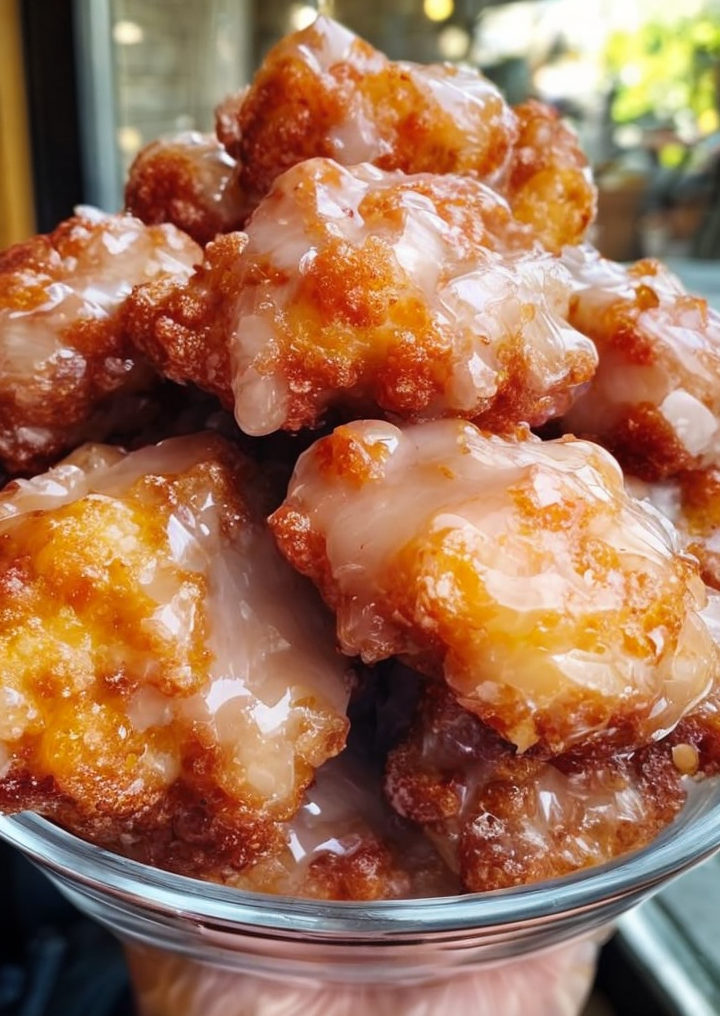

Easy Salted Caramel Sauce: Homemade with 5 Ingredients
Easy Salted Caramel Sauce: Perfected Homemade with 5 Ingredients
Discover the magic of homemade salted caramel sauce, a delightful blend of rich, buttery sweetness and a hint of saltiness. Our Easy Salted Caramel Sauce, made effortlessly with just five simple ingredients, is a game-changer for your dessert repertoire. Imagine drizzling this sauce over ice cream or using it as a dip for fresh fruits; the possibilities are endless. The best part? This recipe yields divine results in just fifteen minutes.
This Easy Salted Caramel Sauce recipe not only brings out the caramel’s deep, earthy flavors but also emphasizes its velvety texture. The combination of sugar’s sweetness, butter’s creaminess, and a touch of salt creates an irresistible balance. It’s no wonder this sauce has become a staple in many kitchens.
Quick Recipe Highlights
- Flavor Profile: A delectable mix of sweet and savory, with a profound buttery finish that melts in your mouth.
- Texture: Silky smooth and velvety, perfectly clinging to your favorite dessert with just the right consistency.
- Aroma: An inviting, warm scent with toasty and caramelized notes that fill your kitchen with decadence.
- Visual Appeal: Gleaming golden brown with a glossy sheen that enhances the aesthetic of any sweet dish.
- Skill Level Needed: Ideal for beginners; no specialized techniques required, just basic stovetop skills.
- Special Equipment: A sturdy saucepan and a whisk are all you need to make this sauce effortlessly.
Recipe Overview
- Difficulty Level: This recipe is straightforward, suitable for novice cooks, as it doesn’t require any complex methods.
- Category: Falls within condiments and sauces, serving as an enhancer to a variety of desserts.
- Cuisine: Predominantly associated with French-inspired delicacies, known for its sophistication and charm.
- Cost: Economical with readily available ingredients, making it a cost-effective option for gourmet flavor.
- Season: Perfect year-round, but especially delightful in autumn and winter for its warm, cozy appeal.
- Occasion: Wonderful for holiday gatherings, dinner parties, or simply treating yourself to a touch of luxury.
Why You’ll Love This Recipe
This Easy Salted Caramel Sauce boasts a remarkable duality in taste—exquisitely sweet with a dose of savory saltiness that tantalizes your taste buds. The rich buttery texture enhances the sauce’s ability to elevate any dessert, while its simplicity means there’s no need to compromise taste for convenience.
The preparation couldn’t be more straightforward, with only a few ingredients and steps. This makes it a great fit for spontaneous indulgences or last-minute dessert ideas. Plus, the homemade aspect ensures freshness, free from preservatives found in store-bought versions.
Nutritionally, this sauce is indulgent but can be suited to varying dietary needs with minor tweaks, ensuring you enjoy its rich flavor guilt-free. Whether paired with your morning coffee or spruced up on a cake, this sauce adapts effortlessly to various settings, making it a versatile staple for any social gathering.
Economically, making this sauce at home saves money without skimping on quality or taste. The ingredients are budget-friendly, and the recipe offers room for creative adaptation, adding to its value and accessibility.
Historical Background and Cultural Significance
Caramel has a rich history, dating back to the 17th century when it was first made by American settlers by boiling water and sugar. By the late 1800s, adding cream and butter became popularized, giving rise to the lush sauces we’re familiar with today. As salted caramel gained popularity, especially in the early 21st century, it quickly became a culinary trendsetting favorite.
In French cuisine, caramel sauces are revered as a staple, prominently used in classic desserts like crème caramel. Salted caramel refined this traditional recipe, embraced by modern chefs seeking to balance savory and sweet elements.
The evolution of salted caramel saw variants sprinkled with sea salt flakes or incorporated into chocolate treats. This delicious duality was further popularized by chefs seeking updated versions of traditional confections.
Regional adaptations now exist, showcasing diverse incorporations of salted caramel in beverages, sweets, and gourmet delicacies. From French patisseries to American diners, its influence resonates globally, defining cross-cultural culinary fusion.
Ingredient Deep Dive
Sugar, the cornerstone of any caramel, transforms into a deep amber with intense flavors through caramelization. Its role is key not only for sweetness but also for producing the rich, toasty notes essential to the sauce’s character.
Butter provides creaminess and mouthfeel, integral to caramel’s signature texture. Opt for unsalted butter, allowing for precise control over the saltiness later in the recipe. Store your butter in a cool place to maintain its integrity.
Heavy cream adds further richness, marrying well with butter for a silky smooth finish. Its high-fat content is crucial to obtain that luxurious texture, and storing it cold ensures freshness.
Salt defines the balance within the caramel sauce, cutting through sweetness to highlight deeper flavors. Choose a fine sea salt for optimal integration into the sauce, but explore other salts as well for unique twists.
Vanilla, though optional, can round off the sauce with a fragrant hint of warmth. Real vanilla extract is preferred for the authenticity it brings, enriching the aromatic profile of the caramel.
Common Mistakes to Avoid
- Over-stirring leads to crystallization and a gritty texture; let caramel sit once sugar dissolves.
- Using a non-heavy bottomed pan can cause uneven heat distribution, increasing the risk of burning.
- Adding cold cream leads to splattering; ensure cream reaches room temperature before use.
- Inaccurate measurements of ingredients throw off flavor balance; use precise amounts.
- Cooking on high heat accelerates caramelization uncontrollably, risking burnt flavors.
- Skipping salt will result in a one-dimensional, overly sweet sauce lacking the desired contrast.
- Not allowing caramel to cool down before tasting will impair flavor evaluation.
- Storing in metal containers affects taste over time; use glass jars for best results.
Essential Techniques
Understanding caramelization is pivotal for success; this browning process generates the distinct flavor and aroma of caramel. Master the balance of time and heat, aiming for an amber hue without crossing into burnt territory.
Whisking delicately at each step ensures ingredients blend seamlessly, preventing sugar clumps that cause textural inconsistencies.
Monitoring for visual cues like color change instead of relying solely on time helps determine the perfect stage of caramelization, accommodating variances in heat source and pan type.
Pro Tips for Perfect Easy Salted Caramel Sauce
Invest in a candy thermometer to accurately gauge sugar’s transition through caramelization, ensuring consistent results each time. A thermometer removes the guesswork, especially for beginners.
Add salt only after the sauce has reached the desired thickness to prevent it from dissolving too quickly, maintaining distinct salty bursts.
Experiment with infused salts for unique variations on the classic salted caramel profile. Options include smoked salt or spiced varieties for tailored flavor profiles.
Control cook time precisely for consistency variations; a thicker caramel makes ideal filling in desserts, while a slightly runnier texture complements drizzles.
Finished sauce appearance depends on your pan’s material and color. Use lighter colored pans for controlled color assessment as caramel deepens.
Do not walk away from caramel once it becomes amber, as it can quickly shift from perfect to overly dark—stay attentive at this crucial point.
Variations and Adaptations
Regional adaptations let you explore new dimensions; infusing lavender or orange zest introduces European flair, while spices like cardamom offer an Indian twist.
For seasonal changes, consider adding spices such as cinnamon for a cozy autumn aroma, or citrus zests for a refreshing spring twist.
Dietary needs? Swap out dairy cream and butter with coconut cream and vegan margarine, maintaining the luxurious texture while making the sauce vegan-friendly.
Looking to diversify flavor? A splash of bourbon or espresso adds depth and complexity, making the sauce more sophisticated for adult palates.
Texture modifications are achievable by adjusting cream ratios, favoring a thicker or runnier consistency to match the intended use, whether filling or topping.
Presentation alternatives include serving the sauce as a dip in fondue setups or packaged in jars tied with ribbons as homemade gifts, elevating its aesthetic impact.
Serving and Presentation Guide
For striking presentation, drizzle salted caramel over plated desserts, allowing it to cascade artistically across the surface. Swirl patterns with toothpicks enhance visual intrigue.
Garnishing ideas include sea salt flakes, finely crushed nuts, or dark chocolate shavings on the sauce for added contrast and enhanced appeal.
Traditional accompaniments include classic vanilla ice cream, warm apple pie, or as a rich addition to coffee beverages.
Modern suggestions envision using salted caramel as a dressing for poke bowls or salads with complementing flavors of roasted nuts and goat cheese.
Temperature matters; serve slightly warmed for easy drizzling or chilled for a thicker pour. Room temperature servings best showcase its natural consistency.
Portion control is key given the sauce’s rich profile; use sparingly, often a tablespoon per serving suffices to impart desired flavor without overpowering.
Wine and Beverage Pairing
For wine pairings, consider late-harvest Rieslings or counterparts with sweet, acidic profiles balancing caramel’s richness harmoniously.
Non-alcoholic options include creamy chai or strong black coffee, their bold flavors contrasting pleasantly with the sauce’s sweetness.
If coffee or tea is your preference, a robust espresso or earthy oolong provides a compelling pairing, emphasizing caramel’s intricate notes.
Temperature maintains the beverage pairing’s integrity; chilled drinks complement cold desserts, while warm beverages align with heated applications.
Serving glasses should highlight caramel as the hero; opt for clear vessels to display the sauce’s decadent amber sheen, contrasting backdrop hues.
Storage and Shelf Life
Store the sauce in airtight glass containers to preserve freshness and prevent flavor cross-contamination. Wide-mouth jars provide easy access for scooping and reheating.
Optimal storage temperature is within the fridge to maintain stability, requiring gentle reheating before use to regain ideal fluidity.
Regular inspections of stored caramel for discoloration or separating indicate spoilage. Prolong its shelf life by refrigerating immediately after it cools to room temperature.
Follow specific reheating instructions to prevent burning or scorching, employing a low stovetop flame or microwaving in short bursts combined with stirring.
Freezing extends shelf life up to several months; once thawed, whisk thoroughly to restore consistency and ensure homogeneity.
Make Ahead Strategies
Advance preparation simplifies meal proceedings, with the sauce staying fresh when made a week ahead and refrigerated, ready to deploy as needed.
Between steps storage is straightforward; once cooled, store sealed in a fridge, preventing moisture or aroma spearing.
Quality remains unaffected when made in advance if proper storage conditions are adhered to, preserving taste and texture.
Efficient assembly tactics enhance readiness; pack in squeezable bottles for controlled drizzling, elevating diner’s self-serving experience.
Inclusion of newly fresh elements like sea salt flakes or zests right before serving refreshes presentations, offering sensory contrast.
Scaling Instructions
To halve the recipe, reduce ingredient quantities proportionally while maintaining the same preparation method and timing for consistency.
Doubling or tripling mandates larger cookware to prevent spillage and difficulties in distribution during the stirring process.
Timing and equipment modifications must account for increased ingredient volume, potentially necessitating extended cooking or additional utensils.
Storage scales with quantity; prepare multiple smaller batches and store them separately. This preserves freshness and allows for incremental reheating.
Nutritional Deep Dive
The recipe offers a macro breakdown dominated by carbohydrates, primarily sugar, complemented with fats from butter and cream, making responsible consumption key.
Micronutrient presence, though limited, includes essential trace minerals from salt which augment flavor without heavy nutritional burden.
While indulgent, its health benefits encompass emotional satisfaction, encouraging moderation as part of balanced eating habits.
Portion sizes impact caloric intake significantly; measured servings fulfill cravings without encroaching on dietary goals.
Weight management embraces portion awareness; small servings impart luxurious feel with minimal deviation from nutritional plans.
Dietary Adaptations
Gluten-Free: No modification required as ingredients naturally exclude gluten sources.
Dairy-Free: Substitute dairy with plant-based butter alternatives and coconut cream to achieve similar textures sans animal products.
Vegan: Integrate vegan replacements for butter and cream, fortified with a plant-based sweetener for a cruelty-free version.
Low-Carb: Utilize sugar substitutes like erythritol to reduce carb count without sacrificing the classic sweet-tooth experience.
Keto: Modify the recipe by integrating keto-friendly alternatives for rich texture retention while respecting ketogenic dietary parameters.
Paleo: Embrace paleo-compliant ingredients, opting for unrefined sweeteners and healthy fats to align with ancestral diet principles.
Low-FODMAP: Adjust ingredient portions and swap cream varieties to ensure compliance with gastrointestinal sensitivity considerations.
The Recipe
Easy Salted Caramel Sauce
Serves: 1 cup
Prep Time: 5 mins
Cook Time: 10 mins
Total Time: 15 mins
Kitchen Equipment Needed
- Sturdy saucepan
- Whisk
- Measuring cups and spoons
- Wooden spoon
- Heatproof container for storage
Ingredients
- 1 cup granulated sugar
- 6 tablespoons unsalted butter, cut into cubes
- 1/2 cup heavy cream, at room temperature
- 1 teaspoon fine sea salt
- 1 teaspoon vanilla extract (optional)
Directions
- Heat sugar over medium heat in a heavy-bottomed saucepan, stirring constantly until it begins to melt into a thick liquid.
- Once sugar is fully melted and deepened into an amber color, add butter, whisking until fully incorporated.
- Gradually pour in the heavy cream while whisking vigorously. Be cautious of bubble formation.
- Let mixture cook for an additional minute before removing from heat.
- Stir in salt and vanilla extract, if using. Allow to cool before storing in a heatproof container.
- Store in refrigerator and warm gently before serving.
Recipe Notes
- For a silky finish, strain the caramel through a fine-mesh sieve before storing.
- If caramel hardens, reheat gently with a splash of cream.
Troubleshooting Guide
For a successful caramel consistency, avoid granular sauces by ensuring sugar fully dissolves and refrains from over-stirring. Balance flavors by adjusting salt levels if over-sweetened. Maintain ideal temperatures; high heat leads to bitter taste through over-caramelization, while low heat extends cook time unnecessarily.
Choose tools wisely—a heavy saucepan prevents scorching, ensuring even cooking. Replacing ingredients requires careful consideration—swap sugars with similar sweetness levels to retain flavor balance.
Timing concerns arise from distracted cooking; remain attentive during critical stages, ensuring smooth transitions between steps.