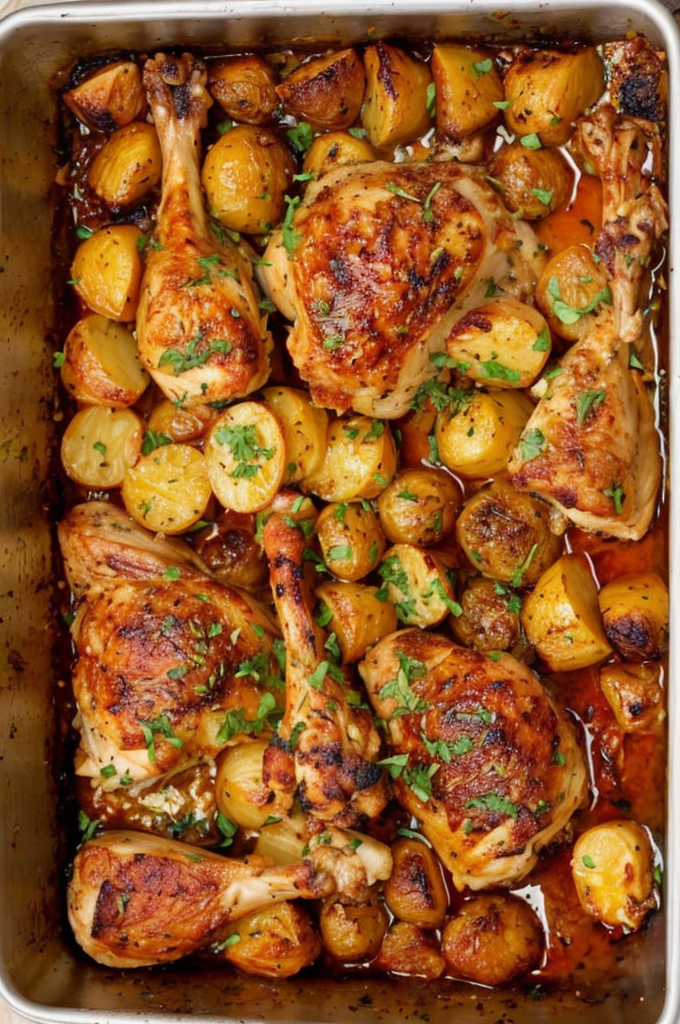
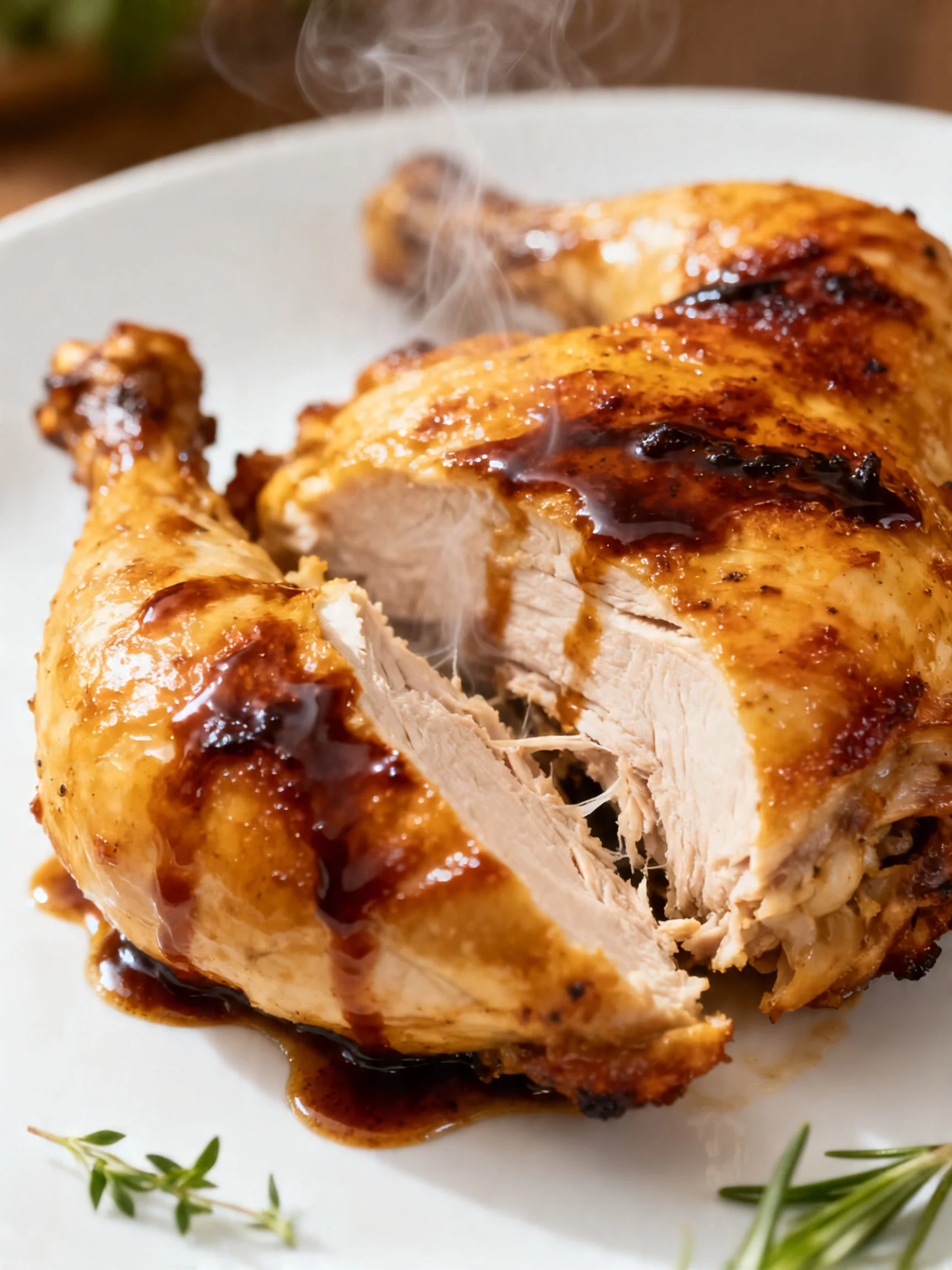
Balsamic Baked Chicken Breast Recipe
Tested & Approved
by Sophie Lane
Introduction
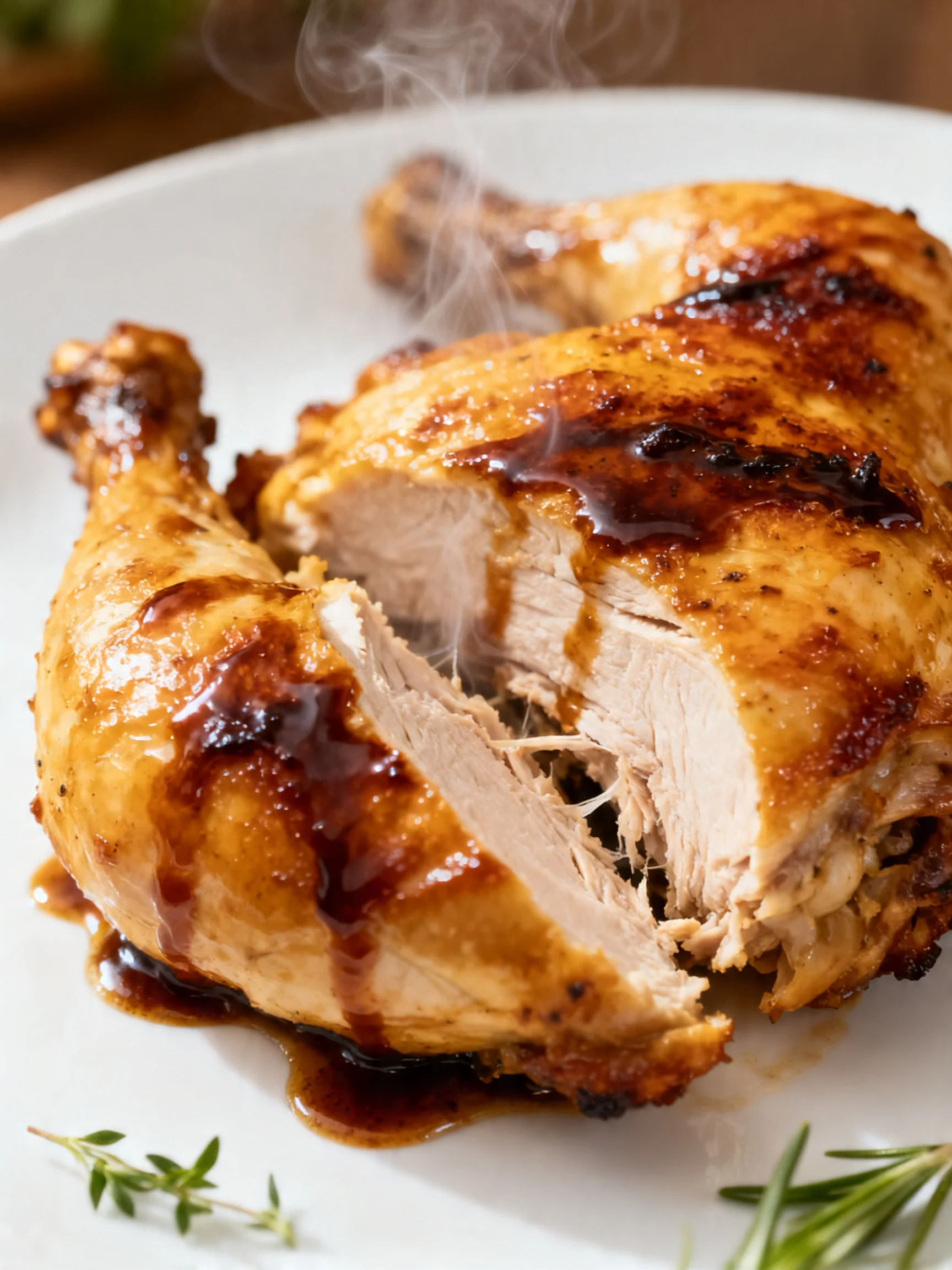
This Juicy Balsamic Baked Chicken recipe delivers a perfect balance of tangy, savory, and sweet flavors with incredibly tender results every time. After extensive testing, I’ve perfected this simple marinade that caramelizes beautifully in the oven, locking in moisture and creating a glossy, restaurant-worthy glaze. It’s a reliable, one-pan dinner that has become a staple in my weekly rotation.
Published: April 21, 2026 Updated: October 11, 2026
Ingredients
The magic of this dish lies in the quality of its simple components. A good balsamic vinegar provides the perfect sweet-tart base, while fresh garlic and dried oregano build the aromatic foundation.
- 4 boneless, skinless chicken breasts (6 oz each)
- 1/4 cup olive oil
- 2 tbsp soy sauce (or tamari for gluten-free)
- 1/2 cup balsamic vinegar
- 2 cloves garlic, minced
- 2 tsp dried oregano
- 1/4 tsp black pepper
- 1/4 tsp salt, or more to taste
Timing
| Prep Time | 10 minutes |
| Cook Time | 25 minutes |
| Total Time | 35 minutes |
Context: The hands-off baking time makes it a perfect, stress-free option for busy weeknights, and the chicken can be marinated ahead for even deeper flavor.
Step-by-Step Instructions
Step 1 - Prepare the Marinade
In a medium bowl or large measuring cup, whisk together the olive oil, balsamic vinegar, soy sauce, minced garlic, dried oregano, black pepper, and salt. This emulsification process, where the oil and vinegar combine into a cohesive sauce, is key for even coating and flavor penetration.
Step 2 - Marinate the Chicken
Place the chicken breasts in a large resealable plastic bag or shallow dish. Pour the marinade over the chicken, ensuring each piece is fully coated. Seal the bag or cover the dish and refrigerate for at least 30 minutes, or up to 4 hours for maximum flavor. (Pro tip: I’ve found that a 2-hour marinade yields the best balance of tender texture and robust taste).
Step 3 - Preheat and Prepare Baking Dish
While the chicken marinates, preheat your oven to 400°F (200°C). Lightly grease a 9×13 inch baking dish or line it with parchment paper for easier cleanup. This high-heat roasting temperature is crucial for achieving caramelization on the exterior while keeping the interior juicy.
Step 4 - Arrange Chicken in Dish
Remove the chicken from the marinade, letting any excess drip back into the bag or dish. Reserve the remaining marinade. Place the chicken breasts in the prepared baking dish in a single layer, ensuring they are not touching. This allows for proper air circulation and even cooking.
Step 5 - Bake the Chicken
Transfer the dish to the preheated oven. Bake for 20-25 minutes, or until the internal temperature of the thickest part of the chicken reaches 165°F (74°C) when checked with a meat thermometer. Unlike pan-frying, this baking method uses dry, ambient heat to cook the chicken evenly from all sides.
Step 6 - Prepare the Glaze
While the chicken bakes, pour the reserved marinade into a small saucepan. Bring it to a boil over medium-high heat, then reduce to a simmer. Cook for 5-7 minutes, stirring occasionally, until it reduces by about half and thickens into a syrupy glaze. (Pro tip: This reduction process is essential for concentrating the flavors and making the glaze food-safe).
Step 7 - Glaze and Rest
Once the chicken is fully cooked, remove it from the oven. Brush or spoon the reduced balsamic glaze generously over each piece. Let the Juicy Balsamic Baked Chicken rest in the dish for 5 minutes before serving. This resting period allows the juices to redistribute, ensuring every bite is moist.
This baked balsamic chicken is a high-protein, low-carb meal. The sodium value reflects the soy sauce; for a lower-sodium version, use reduced-sodium soy sauce or coconut aminos. Estimates are based on typical ingredients and a 6-ounce chicken breast serving. Values may vary with specific brands or portion sizes.
Healthier Alternatives
- Chicken Thighs for Breasts - For richer flavor and more forgiving juiciness, use boneless, skinless thighs. They contain slightly more fat but remain moist even if slightly overcooked.
- Coconut Aminos for Soy Sauce - A perfect gluten-free, lower-sodium swap that maintains the umami depth without overpowering the balsamic.
- Avocado Oil for Olive Oil - Offers a neutral flavor with a higher smoke point, ideal if you choose to broil the chicken for a final crisp.
- Fresh Herbs for Dried Oregano - Triple the amount of fresh rosemary or thyme for a brighter, more aromatic profile.
- Maple Syrup or Honey (Splash) - Add 1-2 teaspoons to the marinade if your balsamic is very tart, creating a more balanced sweet-and-sour glaze naturally.
- Balsamic Glaze Drizzle - For a lower-sugar option, skip reducing the marinade and drizzle with a store-bought, high-quality balsamic glaze just before serving.
Serving Suggestions
- Serve over a bed of creamy mashed cauliflower or roasted sweet potato wedges for a comforting, low-carb meal.
- Slice and add to a vibrant salad with mixed greens, cherry tomatoes, shaved Parmesan, and a light vinaigrette.
- Pair with simple roasted asparagus or green beans; the caramelized balsamic glaze from the pan makes a perfect dressing.
- For a hearty dinner, accompany with garlic herb quinoa or a wild rice pilaf to soak up the extra sauce.
- Perfect for meal prep: cook a double batch, slice, and portion with steamed broccoli and rice for ready-to-go lunches.
- Elevate a weeknight dinner by plating with a swirl of polenta and a garnish of fresh basil.
This versatile dish transitions beautifully with the seasons - light and fresh in summer salads, warm and hearty over fall grains. It’s also a fantastic centerpiece for casual entertaining.
Common Mistakes to Avoid
- Mistake: Skipping the marinade reduction. Fix: Always boil the reserved marinade for at least 5 minutes to kill bacteria and concentrate flavors into a proper glaze.
- Mistake: Overcrowding the baking dish. Fix: Ensure chicken pieces aren’t touching, as shown in Step 4, to allow steam to escape and promote caramelization, not steaming.
- Mistake: Using a cheap, overly acidic balsamic vinegar. Fix: Invest in a moderately priced, aged balsamic for a naturally sweeter, more complex base flavor.
- Mistake: Not checking internal temperature. Fix: Use a digital meat thermometer. Pull the chicken at 165°F (74°C) as in Step 5; visual cues alone often lead to dry chicken.
- Mistake: Skipping the rest period. Fix: Let the glazed chicken rest for 5 minutes after baking, as in Step 7. This allows juices to redistribute, ensuring maximum juiciness.
- Mistake: Marinating too long in high acid. Fix: Limit marinade time to 4 hours max; longer can break down the protein and create a mushy texture.
- Mistake: Baking at too low a temperature. Fix: Maintain the 400°F (200°C) oven specified in Step 3. Lower heat won’t achieve the necessary caramelization.
Storing Tips
- Fridge: Store leftover balsamic baked chicken in an airtight container for up to 4 days. Keep the glaze separate if possible to maintain the best texture.
- Freezer: For longer storage, freeze fully cooled portions in a single layer on a baking sheet before transferring to a freezer bag.
- Reheat: Gently reheat in a covered skillet with a splash of water or broth over medium-low heat, or in the microwave at 50% power. Always ensure the internal temperature reaches 165°F (74°C) for food safety.
This recipe is an excellent candidate for weekly meal prep. In my tests, the chicken retains its tender, juicy quality beautifully for up to 4 days when stored properly, making your healthy dinners effortless.
Conclusion
This Juicy Balsamic Baked Chicken is the ultimate set-it-and-forget-it dinner that delivers gourmet flavor with minimal effort. Its foolproof method ensures perfectly tender chicken with a sticky-sweet glaze every single time. For another simple, one-pan meal, try this Sheet Pan Lemon Herb Chicken And Vegetables Recipe. Give this recipe a try and share your results in the comments below!
Frequently Asked Questions
How many servings does this baked balsamic chicken recipe make?
This recipe yields 4 servings, using one 6-ounce chicken breast per person. According to standard portioning, this provides a generous main protein for a balanced meal. You can easily double the recipe for a larger family or for meal prep, just be sure to use two baking dishes to avoid overcrowding.
What can I use if I don’t have balsamic vinegar?
The best substitute is a combination of red wine vinegar and a sweetener. For every 1/2 cup of balsamic, use 1/3 cup red wine vinegar mixed with 2 tablespoons of honey or maple syrup. This mimics the sweet-tart complexity, though the flavor will be fruitier. I’ve tested this swap and found it creates a delicious, albeit different, caramelized glaze.
Why did my balsamic glaze turn out bitter or burnt?
Why did my balsamic glaze turn out bitter or burnt?
This typically happens from cooking the marinade reduction over too high heat. The sugars in the balsamic can scorch quickly. The solution is to maintain a gentle simmer, not a rolling boil, and stir frequently. For prevention, use a heavy-bottomed saucepan and never walk away during the 5-7 minute reduction process outlined in Step 6.
PrintBalsamic Baked Chicken Breast
Ingredients
- 4 boneless (skinless chicken breasts (6 oz each))
- 1/4 cup olive oil
- 2 tbsp soy sauce
- 1/2 cup balsamic vinegar
- 2 cloves garlic (minced)
- 2 tsp dried oregano
- 1/4 tsp black pepper
- 1/4 tsp salt or more to taste
Instructions
- If the chicken breast is too thick, you can pound it with a meat mallet until it is 1/2-inch thick.
- Combine olive oil, balsamic vinegar, soy sauce, garlic, oregano and black pepper in a bowl.
- Place chicken in a baking dish. Pour the marinade over it, making sure it is evenly coated. Let is sit for 10 minutes if you have the extra time.
- Preheat oven to 400 F. Bake chicken at 400 F for 25 minutes, or until a thermometer inserted into the thickest part of the meat reads 165 F.
You Might Also Like
- Melt In Your Mouth Chicken Breast Recipe
- Jerk Oxtail Ramen Recipe
- Chicken and Stuffing Casserole Inspired by Dolly Parton
- Easy 5-Ingredient Casserole Inspired by Dolly Parton
Get our 10 best recipes - free
Join the Rapid Recipes newsletter and we’ll email you our 10 most-loved recipes as a free PDF.
Free PDF + new recipes every week. Unsubscribe anytime.