Teriyaki Pineapple Chicken and Rice Stuffed Peppers Recipe
Tested & Approved
by Sophie Lane
Introduction
Get ready for a flavor explosion with these Teriyaki Pineapple Stuffed Peppers. This recipe transforms simple ingredients into a sweet, savory, and satisfying meal that’s become a weeknight favorite in my home. Through extensive testing, I’ve perfected the balance of teriyaki glaze and juicy pineapple to ensure every bite is packed with flavor, making it a dish that’s both impressive and incredibly easy to prepare.
Published: April 20, 2026 Updated: October 11, 2026
Ingredients
The magic of this dish comes from the harmony of savory teriyaki and sweet pineapple. Using fresh garlic and ginger will give the filling a vibrant, aromatic base that you can’t get from powdered versions.
- 2 large boneless, skinless chicken breasts (shredded)
- 1 cup cooked rice (white or brown)
- 1/2 cup diced pineapple (fresh or canned, drained)
- 1/4 cup teriyaki sauce
- 1 tablespoon olive oil
- 2 cloves garlic, minced
- 1 teaspoon ground ginger
- 1/2 teaspoon red pepper flakes (optional)
- Salt and pepper to taste
- 4 large bell peppers (any color), tops cut off and seeds removed
- 1 tablespoon olive oil (for drizzling)
- 1/4 cup shredded mozzarella or cheddar cheese (optional)
Timing
| Prep Time | 20 minutes |
| Cook Time | 30 minutes |
| Total Time | 50 minutes |
Context: The streamlined filling method and single-pan cooking make it a perfect, hands-off option for busy weeknights, with most of the time being passive baking.
Step-by-Step Instructions
Step 1 - Prepare the Filling Base
Heat one tablespoon of olive oil in a large skillet over medium-high heat. Add the shredded chicken, minced garlic, and ground ginger. Sautéing, which means cooking quickly in a small amount of fat, helps to bloom the aromatics and lightly brown the chicken, adding a layer of flavor you don’t get from simply mixing raw ingredients.
Step 2 - Combine Filling Ingredients
Reduce the heat to medium. To the skillet, add the cooked rice, diced pineapple, teriyaki sauce, and optional red pepper flakes. Stir everything until well combined and heated through. Season with salt and pepper to taste. (Pro tip: Let the filling cool slightly before stuffing the peppers to make handling easier and prevent the peppers from becoming soggy.)
Step 3 - Prep the Bell Peppers
While the filling cooks, prepare your bell peppers. Slice the tops off and remove all seeds and white membranes. Unlike boiling, which can make peppers mushy, roasting them whole will help them hold their shape and caramelize their natural sugars.
Step 4 - Stuff the Peppers
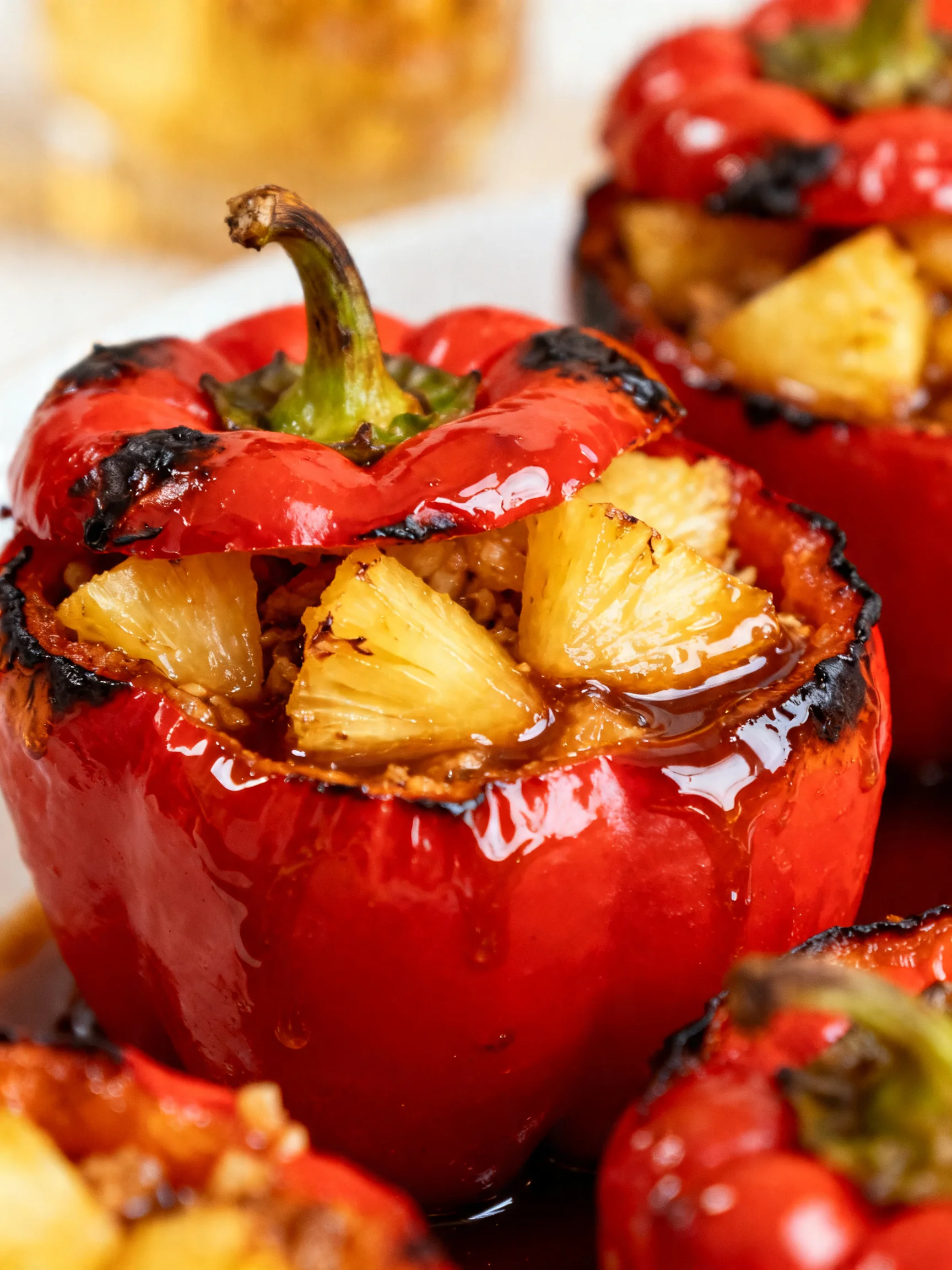
Place the hollowed peppers in a baking dish. Evenly divide the teriyaki pineapple chicken filling among the four peppers, packing it in gently. Drizzle the tops with the remaining tablespoon of olive oil. This helps the exposed edges of the pepper roast and develop a delicious char.
Step 5 - Bake to Perfection
Preheat your oven to 375°F (190°C). Cover the baking dish with aluminum foil and bake for 25 minutes. In my tests, this covered steaming phase ensures the peppers become perfectly tender without drying out the filling.
Step 6 - Add Cheese and Finish
Carefully remove the foil. If using, sprinkle the optional shredded cheese over the top of each stuffed pepper. Return the dish to the oven, uncovered, and bake for an additional 5-7 minutes, or until the cheese is melted and bubbly and the pepper edges are slightly caramelized.
Step 7 - Rest and Serve
Let the Teriyaki Pineapple Stuffed Peppers rest for 5 minutes before serving. This allows the filling to set slightly, making them easier to cut into and ensuring all the incredible flavors have melded together beautifully.
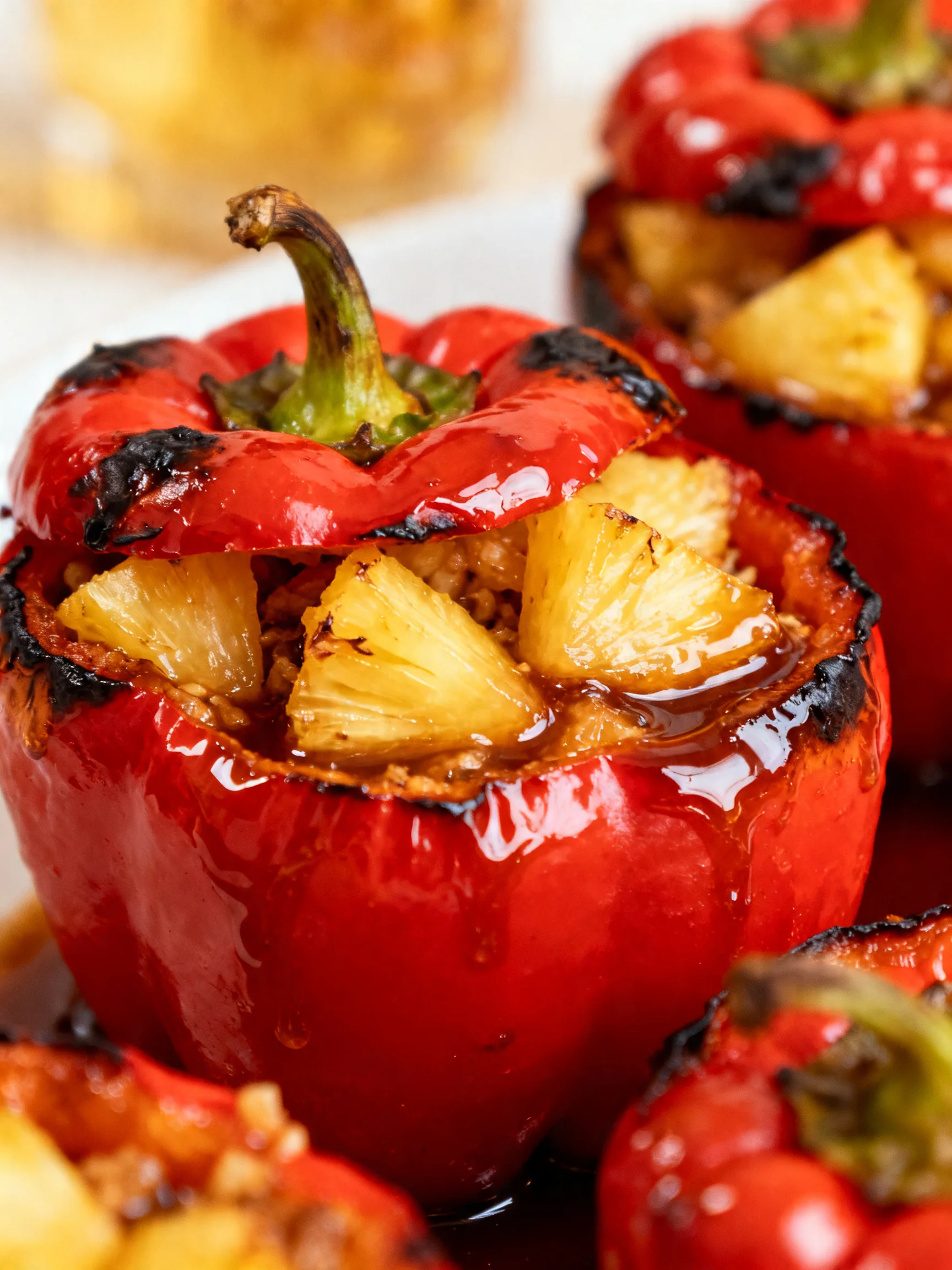
This dish is a high-protein, balanced meal, with one pepper providing over 50% of your daily Vitamin C needs.
Healthier Alternatives
- Ground Turkey or Tofu - Swap the chicken for a leaner protein or plant-based option. Tofu soaks up the teriyaki pineapple sauce beautifully.
- Cauliflower Rice - Replace the cooked rice with riced cauliflower for a low-carb version that still holds the filling together.
- Low-Sodium Teriyaki - Use a homemade or reduced-sodium sauce to control salt content.
- Coconut Aminos - A gluten-free, soy-free alternative to teriyaki that offers a similar umami sweetness.
- Dairy-Free Cheese - Skip the mozzarella or use a vegan shred to make these stuffed peppers completely dairy-free.
- Extra Veggies - Bulk up the filling with finely diced mushrooms or shredded carrots for added fiber and nutrients.
Serving Suggestions
- Serve over a bed of fresh greens or shredded cabbage for a deconstructed salad bowl.
- Pair with a light, crisp side like a cucumber salad or steamed edamame to balance the rich flavors.
- Drizzle with extra teriyaki glaze or a sprinkle of sesame seeds and green onion for restaurant-style presentation.
- Perfect for summer potlucks or as a colorful, make-ahead dish for weekly meal prep.
- Complement with a slightly sweet beverage like iced green tea or a Riesling to echo the pineapple notes.
These teriyaki and pineapple stuffed peppers are incredibly versatile. In the summer, I love using garden-fresh peppers, while in cooler months, they become a comforting, oven-baked centerpiece for family dinners.
Common Mistakes to Avoid
- Mistake: Using raw, uncooked rice in the filling. Fix: Always use pre-cooked rice as specified; raw rice won’t soften properly during baking.
- Mistake: Overstuffing the peppers, causing them to tip over and bake unevenly. Fix: Fill them just to the top and pack gently, leaving a little room for expansion.
- Mistake: Skipping the foil cover in Step 5. Fix: The covered steaming phase is crucial for tender peppers; without it, the filling can dry out before the peppers cook through.
- Mistake: Not draining the pineapple well, resulting in a soggy filling. Fix: Press canned pineapple in a sieve or pat fresh dice with a paper towel to remove excess juice.
- Mistake: Adding cheese too early. Fix: Wait until the final uncovered bake to add cheese, preventing it from burning or becoming rubbery.
- Mistake: Cutting the peppers lengthwise instead of removing the top. Fix: Keeping the pepper whole (with the top off) creates a sturdy “bowl” that holds the filling better during baking.
Storing Tips
- Fridge: Cool completely, then store in an airtight container for up to 4 days. In my tests, they stay fresh and flavorful for a full workweek of lunches.
- Freezer: Individually wrap cooled, unbaked stuffed peppers in plastic wrap and foil. Freeze for up to 3 months. Thaw in the fridge overnight before baking as directed, adding 5-10 minutes to the covered bake time.
- Reheat: For best results, reheat in a 350°F (175°C) oven until the internal temperature reaches 165°F (74°C), about 15-20 minutes. Microwaving can make the peppers soft.
Properly stored, these teriyaki pineapple stuffed peppers are a meal-prep superstar.
Conclusion
This Teriyaki Pineapple Stuffed Peppers recipe is a true weeknight hero, delivering restaurant-quality flavor with minimal hands-on effort. The sweet and savory combination is a guaranteed crowd-pleaser that makes meal prep exciting. For another easy, flavor-packed meal, try this Greek Chicken Bowls Recipe. Give this recipe a try and share your results in the comments!
Frequently Asked Questions
Can I make Teriyaki Pineapple Stuffed Peppers ahead of time?
Yes, you can prepare these stuffed peppers up to 24 hours in advance. According to food safety best practices, assemble the peppers, cover tightly, and refrigerate them unbaked. When ready to cook, add 5-10 minutes to the covered baking time since you’re starting from a cold state. I’ve found this advance prep actually deepens the flavors.
What can I use instead of bell peppers for this recipe?
Large poblano peppers or hollowed-out zucchini boats are excellent alternatives. Poblanos offer a milder heat that pairs wonderfully with the sweet pineapple, while zucchini creates a lower-carb option. For the best structural integrity, choose firm, thick-walled vegetables that can hold the filling without collapsing during baking.
Why are my stuffed peppers watery after baking?
Excess moisture usually comes from undrained pineapple or vegetables releasing liquid. Unlike sautéing, baking doesn’t evaporate liquid quickly. The solution is to thoroughly drain canned pineapple and pat fresh dice dry. Also, ensure your cooked rice isn’t overly wet. Letting the filling cool slightly before stuffing helps absorb some of the sauce, preventing a soggy result.
PrintTeriyaki Pineapple Chicken and Rice Stuffed Peppers: A Sweet and Savory Meal
Ingredients
- 2 large boneless, skinless chicken breasts (shredded)
- 1 cup cooked rice (white or brown)
- 1/2 cup diced pineapple (fresh or canned, drained)
- 1/4 cup teriyaki sauce
- 1 tablespoon olive oil
- 2 cloves garlic, minced
- 1 teaspoon ground ginger
- 1/2 teaspoon red pepper flakes (optional)
- Salt and pepper to taste
- 4 large bell peppers (any color), tops cut off and seeds removed
- 1 tablespoon olive oil (for drizzling)
- 1/4 cup shredded mozzarella or cheddar cheese (optional)
Instructions
- Preheat oven to 375°F (190°C). Cut tops off peppers and remove seeds. Optionally blanch for 5-6 minutes. Place in baking dish.
- Heat olive oil in skillet. Sauté garlic 1-2 minutes, then add shredded chicken, teriyaki sauce, pineapple, ginger, red pepper flakes, salt, and pepper. Cook 5-6 minutes. Stir in rice and combine well.
- Fill each pepper with chicken and rice mixture, pressing down gently. Drizzle tops with olive oil.
- Cover with foil and bake 25-30 minutes. For crispier tops, uncover for last 5 minutes.
- If using, sprinkle cheese on top during final 5 minutes of baking and let melt.
- Cool slightly before serving. Garnish with extra pineapple or green onions if desired.
You Might Also Like
- Easy Ooey-Gooey Bacon Cheeseburger Pizza Pockets
- Chicken Cordon Bleu Casserole Recipe
- Ultimate Cranberry & Spinach Stuffed Chicken Breasts with Brie - Family Favorite
- Steak, Avocado, and Roasted Corn Bowl Recipe
Get our 10 best recipes - free
Join the Rapid Recipes newsletter and we’ll email you our 10 most-loved recipes as a free PDF.
Free PDF + new recipes every week. Unsubscribe anytime.