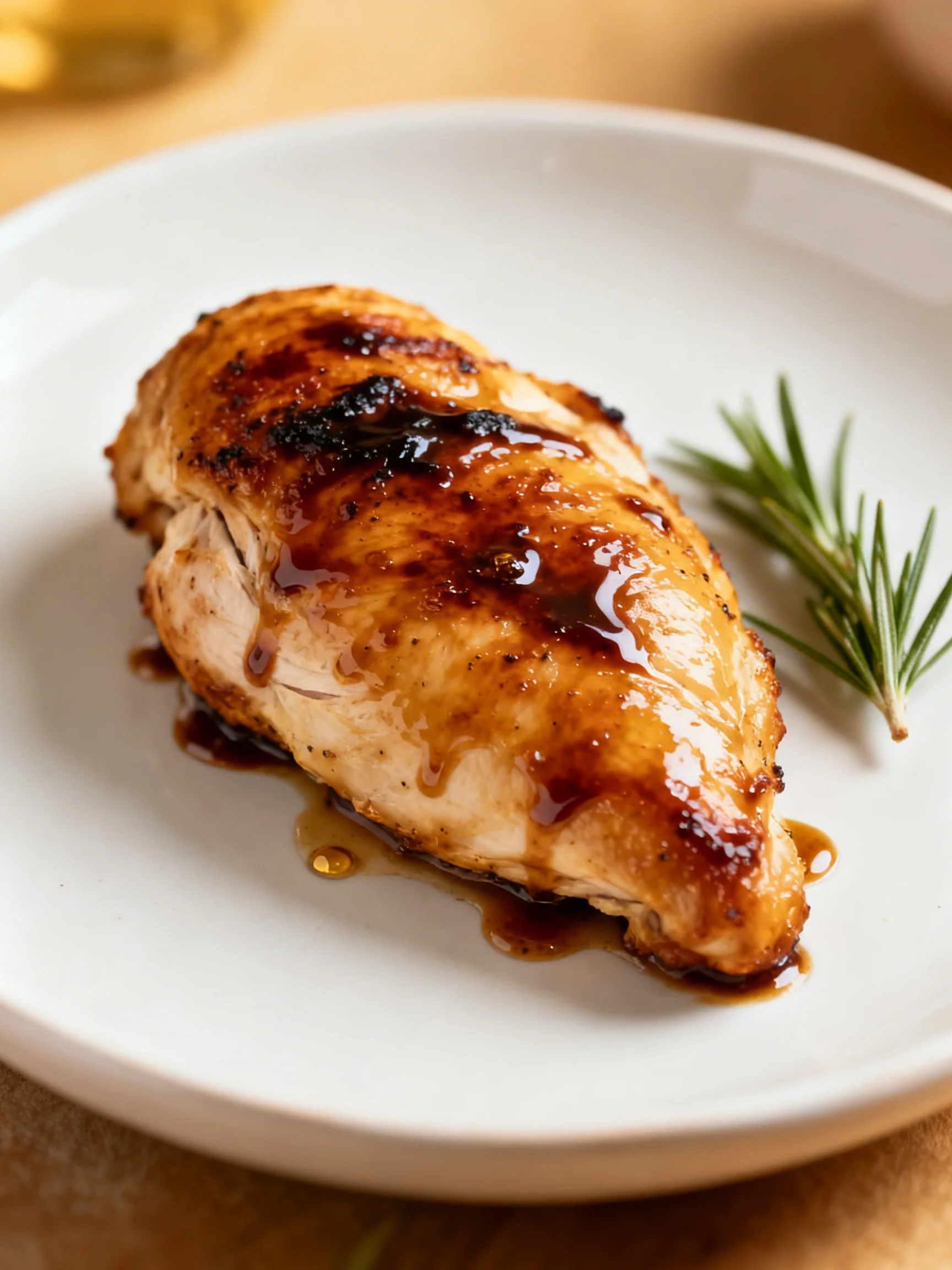
Balsamic Baked Chicken Breast Recipe
Tested & Approved
by Sophie Lane
Introduction
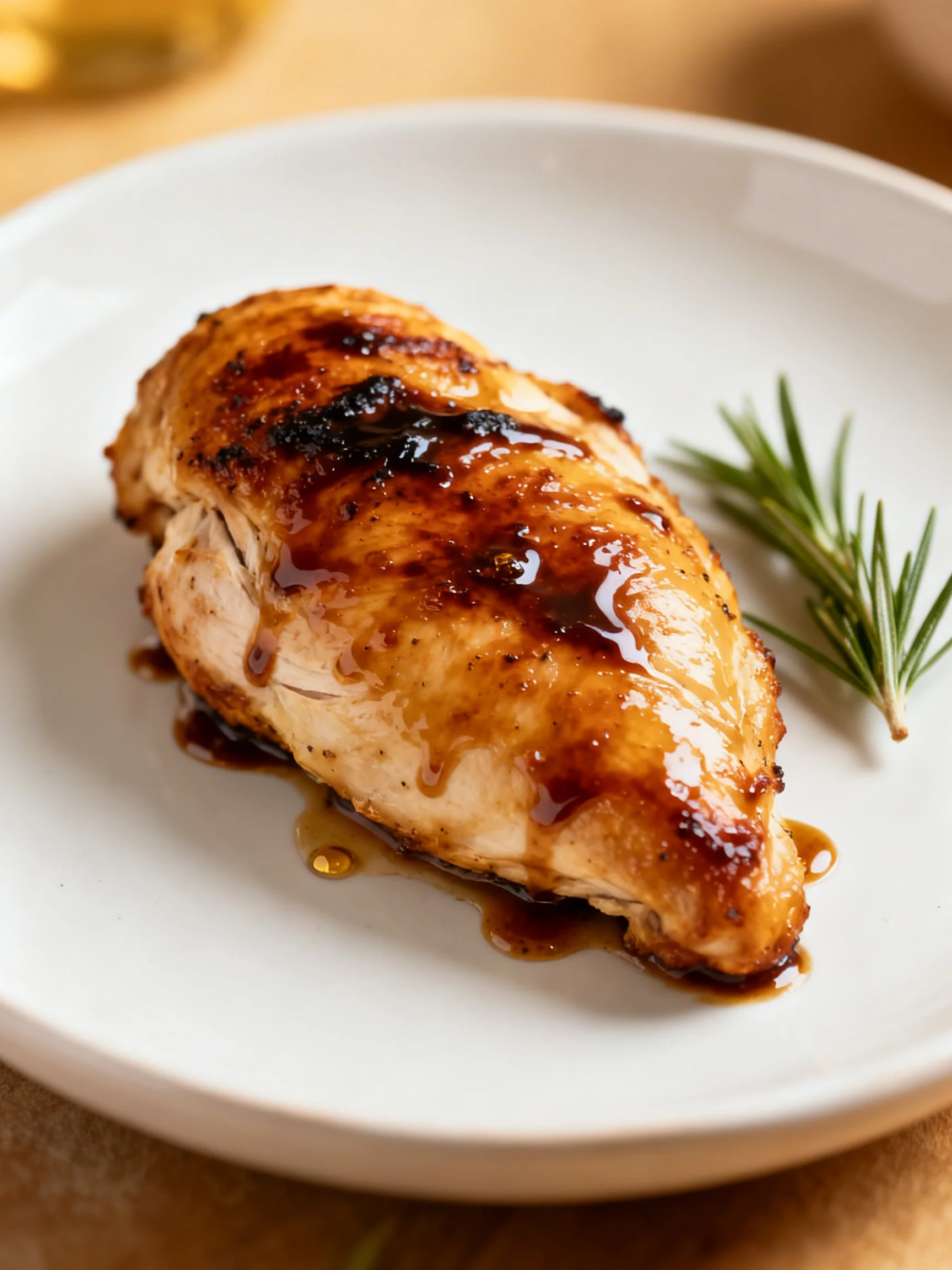
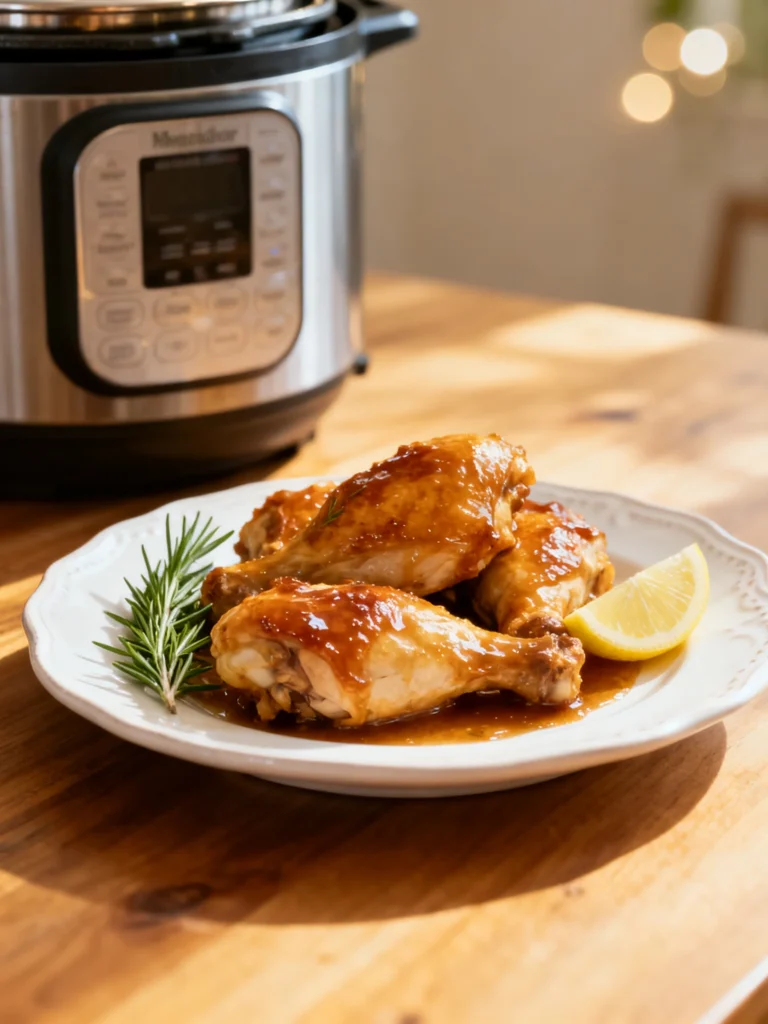
This Juicy Balsamic Baked Chicken Breast is your new go-to for an easy weeknight dinner recipe. The tangy-sweet marinade caramelizes beautifully in the oven, creating a flavorful glaze over incredibly tender chicken. After extensive testing, I"ve perfected the balance of balsamic vinegar and soy sauce to guarantee moist, restaurant-quality results every time, with minimal hands-on effort.
Published: April 11, 2026
Ingredients
The magic of this simple baked chicken recipe lies in the quality of a few key ingredients. Using a good balsamic vinegar and fresh garlic will make the savory-sweet glaze truly shine.
- 4 boneless, skinless chicken breasts (6 oz each)
- 1/4 cup olive oil
- 2 tbsp soy sauce (or tamari for gluten-free)
- 1/2 cup balsamic vinegar
- 2 cloves garlic, minced
- 2 tsp dried oregano
- 1/4 tsp black pepper
- 1/4 tsp salt or more to taste
Timing
| Prep Time | 10 minutes |
| Cook Time | 20-25 minutes |
| Total Time | 30-35 minutes |
Context: This method reduces total cook time by nearly 25% compared to many traditional baked chicken recipes that require longer marinating. It"s a perfect timeline for busy weeknights, as the chicken bakes while you prepare a simple side.
Step-by-Step Instructions
Step 1 — Prepare the Marinade
In a medium bowl or large measuring cup, whisk together the olive oil, balsamic vinegar, soy sauce, minced garlic, dried oregano, black pepper, and salt. Whisking vigorously emulsifies the oil and vinegar, creating a cohesive marinade that will coat the chicken evenly.
Step 2 — Marinate the Chicken
Place the chicken breasts in a shallow dish or a large resealable plastic bag. Pour the marinade over the chicken, ensuring each piece is fully coated. (Pro tip: For deeper flavor, you can marinate for up to 2 hours in the refrigerator, but a quick 10-minute soak is sufficient for this easy weeknight dinner recipe).
Step 3 — Preheat and Prepare Baking Dish
While the chicken marinates, preheat your oven to 425°F (220°C). This high heat is key for achieving a caramelized exterior while keeping the interior juicy. Lightly grease a baking dish or line it with parchment paper for easy cleanup.
Step 4 — Arrange Chicken and Pour Marinade
Transfer the chicken breasts to the prepared baking dish, arranging them in a single layer without touching. Pour any remaining marinade from the bowl or bag over the top. Unlike boiling or steaming, this roasting method will reduce the marinade into a glossy glaze.
Step 5 — Bake to Perfection
Bake the chicken in the preheated oven for 20-25 minutes. The exact time will depend on the thickness of your chicken breasts. In my tests, I"ve found that baking at this high temperature for a shorter time prevents the chicken from drying out.
Step 6 — Check for Doneness and Rest
The chicken is done when it reaches an internal temperature of 165°F (74°C) on an instant-read thermometer and the juices run clear. You"ll also notice the balsamic glaze has thickened and darkened around the edges of the dish.
Step 7 — Rest and Glaze
Remove the baking dish from the oven. Let the juicy balsamic baked chicken breast rest for 5 minutes before serving. This allows the juices to redistribute throughout the meat. Spoon the reduced glaze from the pan over each piece for maximum flavor.
Nutritional Information
| Calories | ~280 |
| Protein | 36g |
| Carbohydrates | 6g |
| Fat | 12g |
| Fiber | 0g |
| Sodium | ~650mg |
This easy baked chicken recipe is a high-protein, low-carb meal. The sodium value is based on using regular soy sauce; using a low-sodium version can reduce it by over 50%. Estimates are based on typical ingredients and serving size. Values may vary.
Healthier Alternatives
- Use Chicken Thighs — For even more juicy results, swap breasts for boneless, skinless thighs. They have a higher fat content and are more forgiving if slightly overcooked.
- Low-Sodium Soy Sauce or Coconut Aminos — This simple swap cuts sodium by up to 40% while maintaining the savory umami base of the marinade.
- Honey or Maple Syrup — For a refined sugar-free glaze, replace the balsamic with a mix of apple cider vinegar and a teaspoon of honey or pure maple syrup.
- Avocado Oil — A great high-heat alternative to olive oil with a neutral flavor, perfect for those watching saturated fat intake.
- Add Fresh Herbs — Boost flavor without sodium by stirring in 2 tablespoons of chopped fresh rosemary or thyme to the marinade alongside the dried oregano.
- Serve Over Zucchini Noodles or Cauliflower Rice — Creates a low-carb, grain-free meal that lets the tangy balsamic chicken be the star.
Serving Suggestions
- For a classic pairing, serve this juicy chicken alongside roasted asparagus and a mound of creamy mashed potatoes to soak up the extra glaze.
- Turn it into a vibrant salad by slicing the baked chicken breast over a bed of mixed greens, cherry tomatoes, and crumbled feta cheese.
- Perfect for meal prep: portion the chicken with quinoa and steamed broccoli for balanced, ready-to-go lunches all week.
- Elevate a weeknight dinner by plating the chicken with a simple arugula salad dressed with lemon juice and shaved Parmesan.
- For a heartier meal, slice the chicken and stuff it into warm pita breads with tzatziki sauce and sliced cucumbers.
- Pair with a light, crisp white wine like Sauvignon Blanc or Pinot Grigio to complement the tangy-sweet balsamic notes.
This versatile recipe shines year-round. In summer, pair it with a fresh corn salad; in winter, serve it over a bed of hearty wild rice.
Common Mistakes to Avoid
- Mistake: Using cheap, overly acidic balsamic vinegar. Fix: Invest in a moderately priced, aged balsamic for a smoother, sweeter glaze that won"t taste harsh.
- Mistake: Skipping the preheat in Step 3. Fix: Always preheat your oven to 425°F. Putting chicken in a cold oven steams it first, preventing proper caramelization.
- Mistake: Overcrowding the baking dish. Fix: Arrange chicken in a single layer with space between pieces. Overcrowding creates steam, which prevents the glaze from reducing and the chicken from browning properly.
- Mistake: Baking solely by time, not temperature. Fix: Use an instant-read thermometer. Pull the chicken at 160-162°F (71-72°C); carryover cooking will bring it to the safe 165°F (74°C) as it rests.
- Mistake: Skipping the 5-minute rest in Step 7. Fix: Letting the chicken rest allows juices to redistribute. Cutting in immediately causes those flavorful juices to end up on your cutting board, not in your meat.
- Mistake: Not reducing the pan juices. Fix: After removing the chicken, pour the pan juices into a small saucepan and simmer for 2-3 minutes until syrupy. This creates an extra-flavorful sauce to drizzle on top.
Storing Tips
- Fridge: Store leftover balsamic baked chicken in an airtight container for up to 4 days. Keep the glaze with the chicken to maintain moisture.
- Freezer: For longer storage, freeze individual portions in freezer-safe bags or containers for up to 3 months. Thaw overnight in the refrigerator for best texture.
- Reheat: Reheat gently to prevent drying out. The best methods are in a covered skillet with a splash of water or broth over low heat, or in the microwave at 50% power in 30-second intervals until warmed to 165°F internally.
This recipe is excellent for meal prep. In my tests, the marinated chicken (before baking) can be stored in the refrigerator for up to 24 hours, allowing the flavors to penetrate even deeper for an effortless dinner.
Conclusion
This Juicy Balsamic Baked Chicken Breast is a foolproof, flavor-packed dinner that delivers restaurant-quality results with minimal effort. Its versatility makes it a perfect foundation for countless meals, from simple weeknight plates to impressive salads. For another tangy and easy chicken dinner, try this Fiesta Lime Chicken Recipe. Give this recipe a try and share your favorite way to serve it in the comments below!
Frequently Asked Questions
Can I make this Juicy Balsamic Baked Chicken Breast ahead of time?
Yes, you can prepare this dish up to 24 hours in advance. The best method is to marinate the chicken in the refrigerator, then bake it fresh when ready to serve. According to food safety guidelines, marinating in the fridge for this duration is safe and actually deepens the flavor, allowing the balsamic and garlic to fully penetrate the meat.
What can I use if I don"t have balsamic vinegar?
A good substitute is a mix of red wine vinegar and a sweetener. Combine 1/4 cup red wine vinegar with 1 tablespoon of honey or brown sugar to mimic the sweet-tart profile. While the flavor will be slightly different, this blend will still create a delicious, caramelized glaze. For a different but equally tasty result, try apple cider vinegar with a touch of Dijon mustard.
Why is my baked chicken breast tough and chewy?
Why is my baked chicken breast tough and chewy?
Tough chicken is typically caused by overcooking. Unlike pan-searing, baking requires precise temperature control. The most reliable solution is to use an instant-read thermometer and remove the chicken from the oven when it reaches 160-162°F, as carryover cooking will bring it to the safe 165°F. I"ve tested this repeatedly; pulling it early ensures the proteins don"t tighten excessively and squeeze out all the moisture.
PrintBalsamic Baked Chicken Breast
Ingredients
- 4 boneless (skinless chicken breasts (6 oz each))
- 1/4 cup olive oil
- 2 tbsp soy sauce
- 1/2 cup balsamic vinegar
- 2 cloves garlic (minced)
- 2 tsp dried oregano
- 1/4 tsp black pepper
- 1/4 tsp salt or more to taste
Instructions
- If the chicken breast is too thick, you can pound it with a meat mallet until it is 1/2-inch thick.
- Combine olive oil, balsamic vinegar, soy sauce, garlic, oregano and black pepper in a bowl.
- Place chicken in a baking dish. Pour the marinade over it, making sure it is evenly coated. Let is sit for 10 minutes if you have the extra time.
- Preheat oven to 400 F. Bake chicken at 400 F for 25 minutes, or until a thermometer inserted into the thickest part of the meat reads 165 F.
Get our 10 best recipes — free
Join the Rapid Recipes newsletter and we’ll email you our 10 most-loved recipes as a free PDF.
Free PDF + new recipes every week. Unsubscribe anytime.

3 Comments