
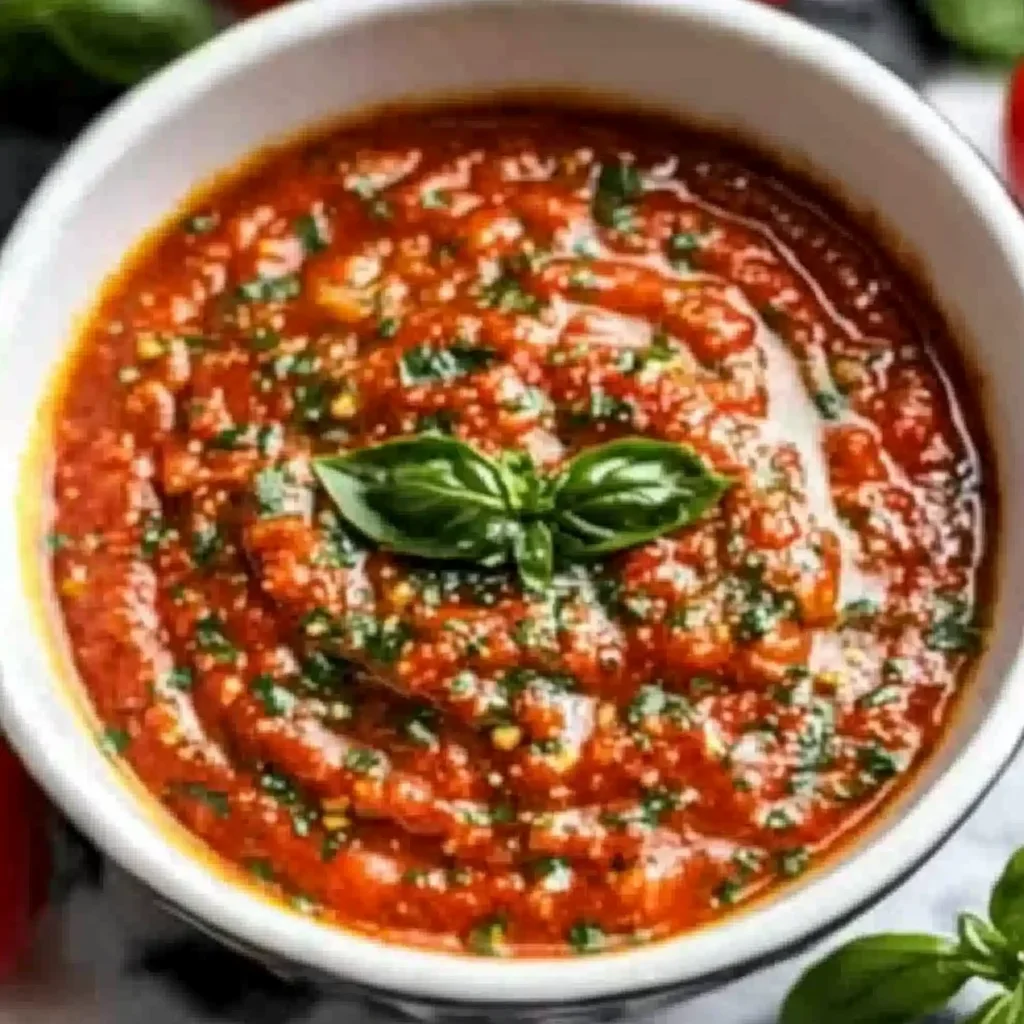
Sicilian Tomato Pesto Recipe
Tested & Approved
by Sophie Lane
Introduction
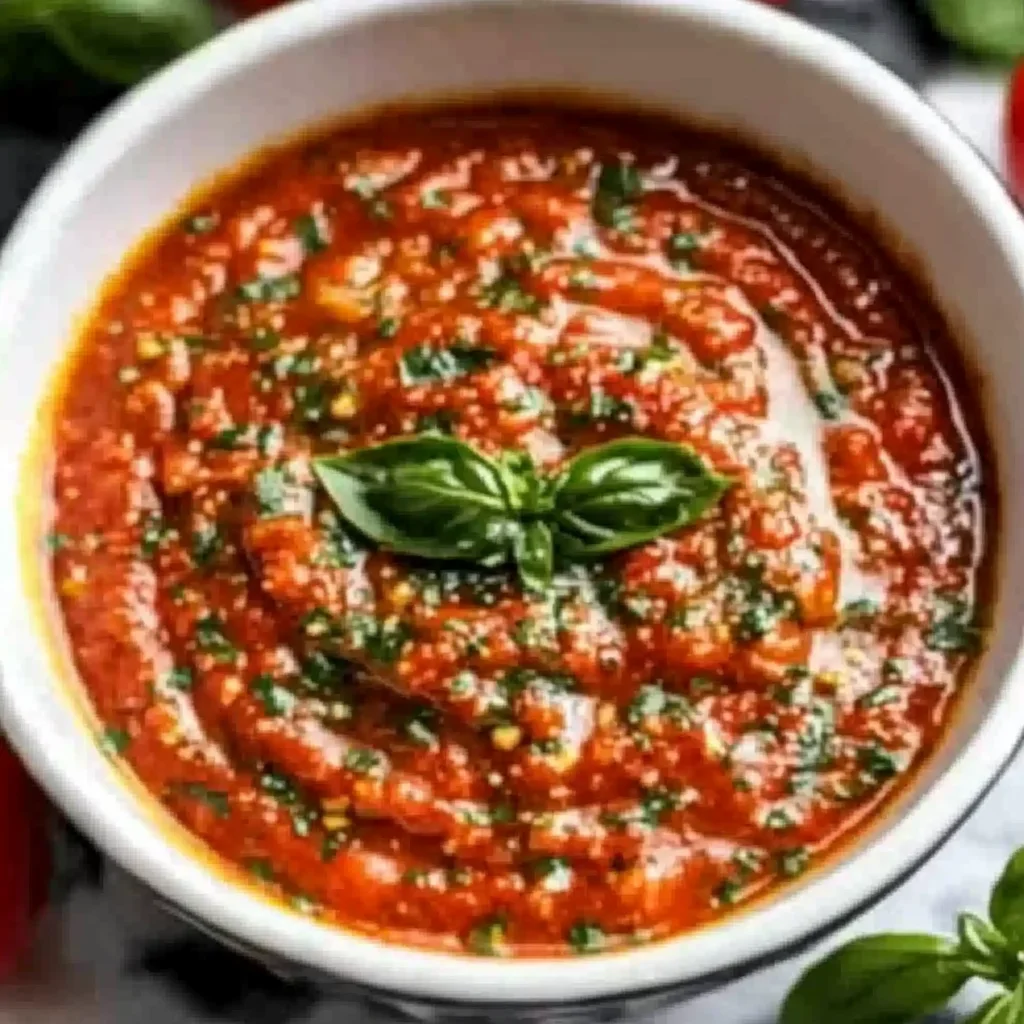
Learning how to make Sicilian tomato pesto at home unlocks a vibrant, sun-drenched sauce that’s far more complex than its basil-based cousin. This version, perfected through years of testing, marries the intense sweetness of sun-dried tomatoes with the bright acidity of fresh cherry tomatoes for a truly unforgettable flavor. It’s a versatile staple I always have on hand, ready to elevate pasta, sandwiches, or grilled meats in minutes.
Published: April 5, 2026 Updated: July 9, 2026
Ingredients
The magic of this pesto lies in the quality of its components. Using a high-quality, fruity extra virgin olive oil and freshly grated Pecorino cheese makes a noticeable difference in depth and richness.
- 1/2 cup sun-dried tomatoes (chopped if large)
- 1 cup cherry tomatoes (halved or quartered)
- 1/4 cup pine nuts
- 1 cup fresh basil leaves
- 2 garlic cloves
- 1/2 cup extra virgin olive oil
- 1/4 cup grated Pecorino cheese (or Parmigiano-Reggiano)
- Salt and pepper to taste
Timing
| Prep Time | 15 minutes |
| Cook Time | 0 minutes |
| Total Time | 15 minutes |
Context: This no-cook method is about 50% faster than making a traditional cooked tomato sauce, making it a perfect last-minute solution for busy weeknights. It’s also a fantastic make-ahead option, as the flavors meld and intensify when stored in the fridge.
Step-by-Step Instructions
Step 1 — Prepare Your Tomatoes
If your sun-dried tomatoes are very dry or in large pieces, give them a rough chop. Halve or quarter the fresh cherry tomatoes. This preparation ensures a more consistent texture in the final pesto. (Pro tip: If your sun-dried tomatoes are packed in oil, you can use a tablespoon of that flavorful oil in place of some of the regular olive oil).
Step 2 — Toast the Pine Nuts
In a small, dry skillet over medium-low heat, toast the pine nuts, shaking the pan frequently, until they are fragrant and lightly golden. This process, which takes about 3-5 minutes, unlocks their natural oils and nutty flavor, a crucial step I’ve found prevents a raw taste in the finished sauce.
Step 3 — Combine Dry Ingredients in Processor
Add the prepared sun-dried tomatoes, cherry tomatoes, toasted pine nuts, fresh basil leaves, and peeled garlic cloves to the bowl of a food processor. Pulse the mixture 5-7 times to break everything down into a coarse paste. Unlike blending, pulsing gives you more control over the texture.
Step 4 — Emulsify With Olive Oil
With the processor running on low, slowly drizzle in the extra virgin olive oil through the feed tube. This method of gradual incorporation, known as emulsification, helps create a smooth, cohesive sauce rather than a separated mixture. Process until the pesto is mostly smooth but still has a bit of texture.
Step 5 — Incorporate Cheese and Season
Transfer the pesto to a mixing bowl. Stir in the grated Pecorino cheese by hand. This technique prevents the cheese from becoming gummy, which can happen if processed too long. Now, taste and season generously with salt and freshly cracked black pepper.
Step 6 — Adjust and Serve
Give your Sicilian tomato pesto a final taste. If it seems too thick for your liking, you can thin it with a tablespoon of warm water or a bit more olive oil. It’s now ready to toss with hot pasta, spread on crusty bread, or use as a marinade. This recipe reduces food waste by efficiently using both fresh and preserved tomatoes.
Nutritional Information
| Calories | ~210 |
| Protein | 5g |
| Carbohydrates | 8g |
| Fat | 18g |
| Fiber | 2g |
| Sodium | ~180mg |
Note: Estimates are per 1/4-cup serving based on typical ingredients. This homemade Sicilian tomato pesto is a good source of healthy fats and Vitamin C from the tomatoes. Values may vary with ingredient swaps.
Healthier Alternatives
- Swap pine nuts for walnuts or almonds — A more affordable, protein-rich alternative with a heartier texture.
- Use nutritional yeast instead of Pecorino — Creates a dairy-free, vegan version with a similar savory, umami punch.
- Reduce oil by 25% — For a lower-fat option, replace some oil with a tablespoon of vegetable broth or the water from rehydrating sun-dried tomatoes.
- Choose low-sodium sun-dried tomatoes — This simple swap can cut the total sodium content by nearly 30%, ideal for heart-healthy diets.
- Add a handful of baby spinach — Blends in seamlessly for an extra nutrient boost without altering the classic pesto flavor profile.
- Use avocado oil — A neutral-tasting oil with a high smoke point, perfect if you plan to use the pesto as a marinade for grilling.
Serving Suggestions
- Toss with 12 oz of hot, al dente pasta (like busiate or spaghetti) and a splash of reserved pasta water for a silky, restaurant-quality sauce.
- Spread generously on toasted ciabatta, top with fresh mozzarella, and broil for an instant, gourmet bruschetta.
- Use as a vibrant marinade for chicken breasts or firm white fish; let sit for 30 minutes before baking or grilling.
- Stir a spoonful into scrambled eggs or frittatas for a quick, flavor-packed breakfast upgrade.
- Dollop over grilled vegetables like zucchini or eggplant to add a rich, tangy component.
- Pair with a crisp, acidic white wine like a Sicilian Grillo or a Pinot Grigio to complement the pesto"s brightness.
This versatile condiment is a meal-prep superstar. Making a double batch on Sunday means you have a healthy, homemade sauce ready to transform weeknight dinners in under 10 minutes.
Common Mistakes to Avoid
- Mistake: Using a blender instead of a food processor. Fix: Blenders tend to puree rather than pulse, creating a watery, over-processed sauce. A food processor gives you the coarse, textured paste essential to authentic pesto.
- Mistake: Adding cheese directly to the food processor. Fix: As noted in Step 5, stir in grated cheese by hand after emulsification. Processing cheese can heat it from friction, causing it to clump and become gummy.
- Mistake: Skipping the toasting step for the pine nuts. Fix: Always toast nuts as directed in Step 2. Raw pine nuts can impart a bland, slightly bitter flavor, while toasting unlocks their essential oils and deep, nutty aroma.
- Mistake: Dumping all the olive oil in at once. Fix: The slow drizzle in Step 4 is non-negotiable for proper emulsification. Adding oil gradually ensures a stable, creamy emulsion that won’t separate.
- Mistake: Storing pesto with air in the container. Fix: Press plastic wrap directly onto the surface of the pesto before sealing. This creates a barrier against oxygen, which is the primary cause of discoloration and flavor loss.
- Mistake: Overseasoning before adding the cheese. Fix: Cheese adds saltiness. Always do your final taste and salt adjustment after incorporating the Pecorino to avoid an overly salty homemade tomato pesto.
Storing Tips
- Fridge: Transfer pesto to an airtight container. Press plastic wrap directly onto the surface to minimize oxidation, then seal. It will stay fresh and vibrant for up to 5 days at 40°F or below.
- Freezer: For long-term storage, portion the pesto into an ice cube tray. Once frozen solid, transfer cubes to a freezer bag. This method preserves over 95% of the flavor and nutrients for up to 3 months, allowing you to use just what you need.
- Reheat: Never microwave frozen pesto directly. Thaw overnight in the fridge or place the sealed container in cool water. For pasta, stir the thawed pesto into the hot pasta off the heat; residual warmth is sufficient. If using as a sauce, warm it gently in a pan over low heat.
Following these storage methods turns this recipe into a brilliant make-ahead strategy. A batch stored in the freezer is your secret weapon for a quick, impressive meal anytime, capturing the essence of Sicily with minimal effort.
Conclusion
Mastering how to make Sicilian tomato pesto at home gives you a uniquely versatile, flavor-packed condiment that’s ready in minutes. Its perfect balance of sweet, tangy, and savory notes can instantly elevate everything from simple pasta to grilled meats. For another fantastic way to use fresh tomatoes, try this Roasted Tomato Sauce Recipe. Give this recipe a try and share your favorite way to use it in the comments below!
Frequently Asked Questions
How many servings does this Sicilian tomato pesto recipe make?
This recipe yields approximately 1.5 cups of pesto, which is enough for 4-6 servings as a pasta sauce. A standard serving for pasta is about 1/4 cup per person. If using as a spread or condiment, it can easily serve 8-10 people.
Can I use canned tomatoes instead of fresh cherry tomatoes?
Yes, but you must adjust for moisture. Drain and pat dry 1 cup of canned diced or crushed tomatoes thoroughly. Using canned tomatoes will create a slightly smoother, more cooked-tasting pesto compared to the bright acidity of fresh cherry tomatoes. For the best texture, I recommend using high-quality canned San Marzano tomatoes.
Why did my homemade tomato pesto turn out bitter?
Bitterness is most often caused by over-processing the basil or using rancid nuts or olive oil. According to culinary best practices, pulsing the basil briefly prevents it from being bruised and releasing bitter compounds. Always taste your olive oil and nuts before using them to ensure they are fresh and not oxidized.
PrintSicilian Tomato Pesto
Ingredients
- 1/2 cup sun-dried tomatoes (chopped if large)
- 1 cup cherry tomatoes (halved or quartered)
- 1/4 cup pine nuts
- 1 cup fresh basil leaves
- 2 garlic cloves
- 1/2 cup extra virgin olive oil
- 1/4 cup grated Pecorino cheese
- Salt and pepper to taste
Instructions
- Finely chop the sun-dried tomatoes if they are in large pieces. Wash the cherry tomatoes and cut them into halves or quarters depending on their size to ensure they blend smoothly.
- In a dry skillet over medium heat, gently toast the pine nuts for 2-3 minutes until golden and fragrant. Stir frequently to avoid burning and to release their nutty richness.
- Place the sun-dried tomatoes, cherry tomatoes, toasted pine nuts, fresh basil leaves, and garlic cloves into a food processor. Pulse a few times to start breaking down the ingredients.
- While the food processor is running, slowly stream in the extra virgin olive oil to create a smooth emulsion. Add the grated Pecorino cheese, salt, and pepper to taste. Blend just until combined, keeping the texture slightly chunky for authentic pesto consistency.
- Taste your pesto and adjust seasoning if needed. Add more olive oil for a thinner sauce or more cheese for extra savoriness. Your Sicilian Tomato Pesto is now ready to enjoy!
You Might Also Like
- Easy Vegetarian Stuffed Bell Peppers with Rice Recipe
- Roasted Red Pepper Pantry Pasta Recipe
- Greek Spaghetti Recipe
- The Best Shrimp Casserole Recipe
Get our 10 best recipes — free
Join the Rapid Recipes newsletter and we’ll email you our 10 most-loved recipes as a free PDF.
Free PDF + new recipes every week. Unsubscribe anytime.


3 Comments