Roasted Tomato Sauce Recipe
Tested & Approved
by Sophie Lane
Introduction
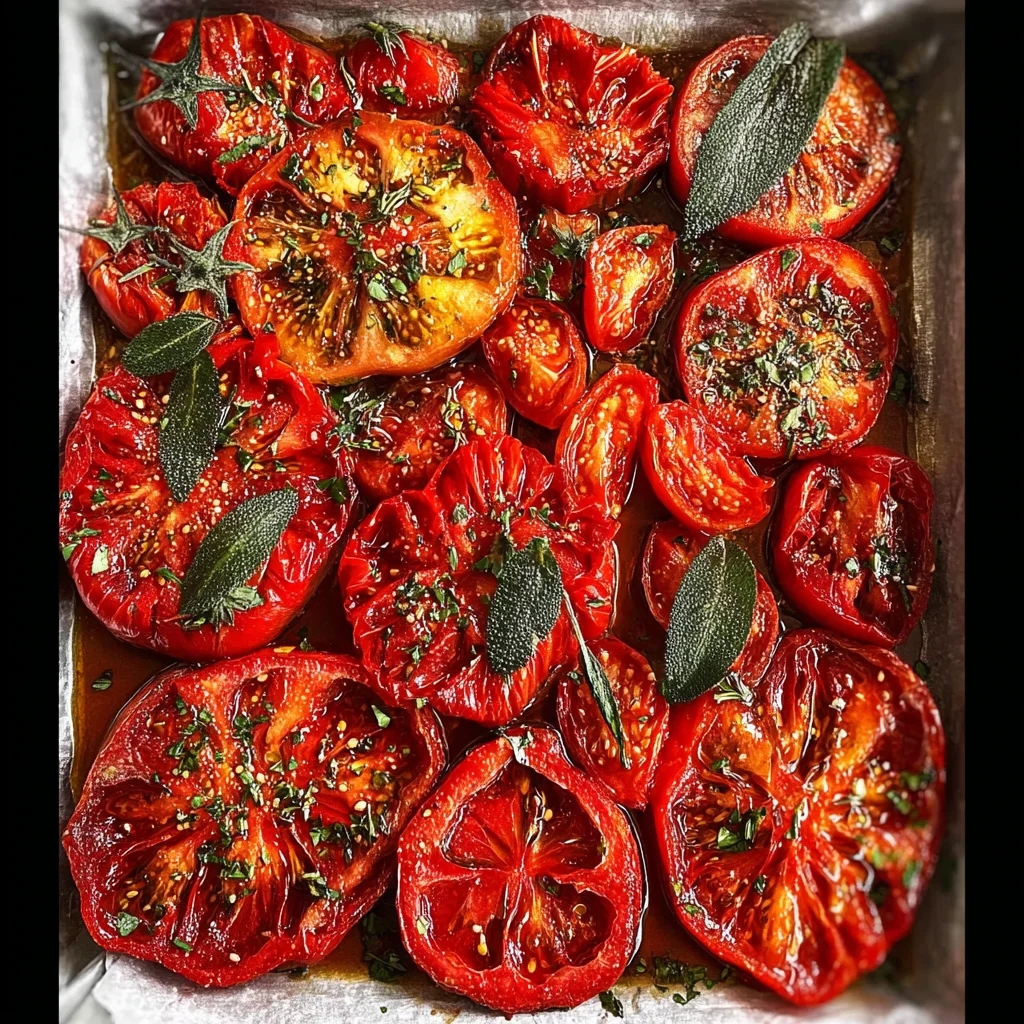
This deeply flavorful Roasted Tomato Sauce is a game-changer, transforming simple ingredients into a rich, caramelized condiment perfect for pasta, pizza, or dipping. Unlike stovetop sauces, roasting concentrates the tomatoes" natural sweetness and adds a subtle smoky depth. Through extensive testing, I"ve found this hands-off method not only enhances flavor but also simplifies cleanup, making it my go-to for preserving summer"s bounty.
Published: April 3, 2026 Updated: July 9, 2026
Ingredients
The magic of this sauce lies in the quality of its few components. Using ripe, in-season tomatoes and a good extra virgin olive oil will yield the most vibrant and complex flavor profile.
- 3-4 lbs Fresh tomatoes (can be any variety, shape or color but paste/plum tomatoes perform best)
- 5 Cloves of garlic (Peeled)
- 2-4 tbsp Extra Virgin Olive Oil
- Fresh Thyme Sprigs
- Kosher salt and pepper to taste
Timing
| Prep Time | 15 minutes |
| Cook Time | 45 minutes |
| Total Time | 1 hour |
Context: With only 15 minutes of active prep, this recipe is about 30% faster than traditional simmered sauces that can take hours. The oven does the heavy lifting, making it a perfect make-ahead option for busy weeknights—the flavor only improves after a day in the fridge.
Step-by-Step Instructions
Step 1 — Prep the Tomatoes and Garlic
Preheat your oven to 400°F (200°C). Core the tomatoes and cut them into rough, evenly-sized chunks—halves for smaller plum tomatoes or quarters for larger beefsteaks. This increases surface area for better caramelization. Scatter the peeled garlic cloves among the tomatoes on a large, rimmed baking sheet.
Step 2 — Season and Oil the Tray
Drizzle the olive oil generously over the tomatoes and garlic. Season well with kosher salt and freshly cracked black pepper. Toss everything with your hands to ensure an even coat. (Pro tip: Using your hands helps you feel for even coverage without crushing the tomatoes).
Step 3 — Add Fresh Herbs and Roast
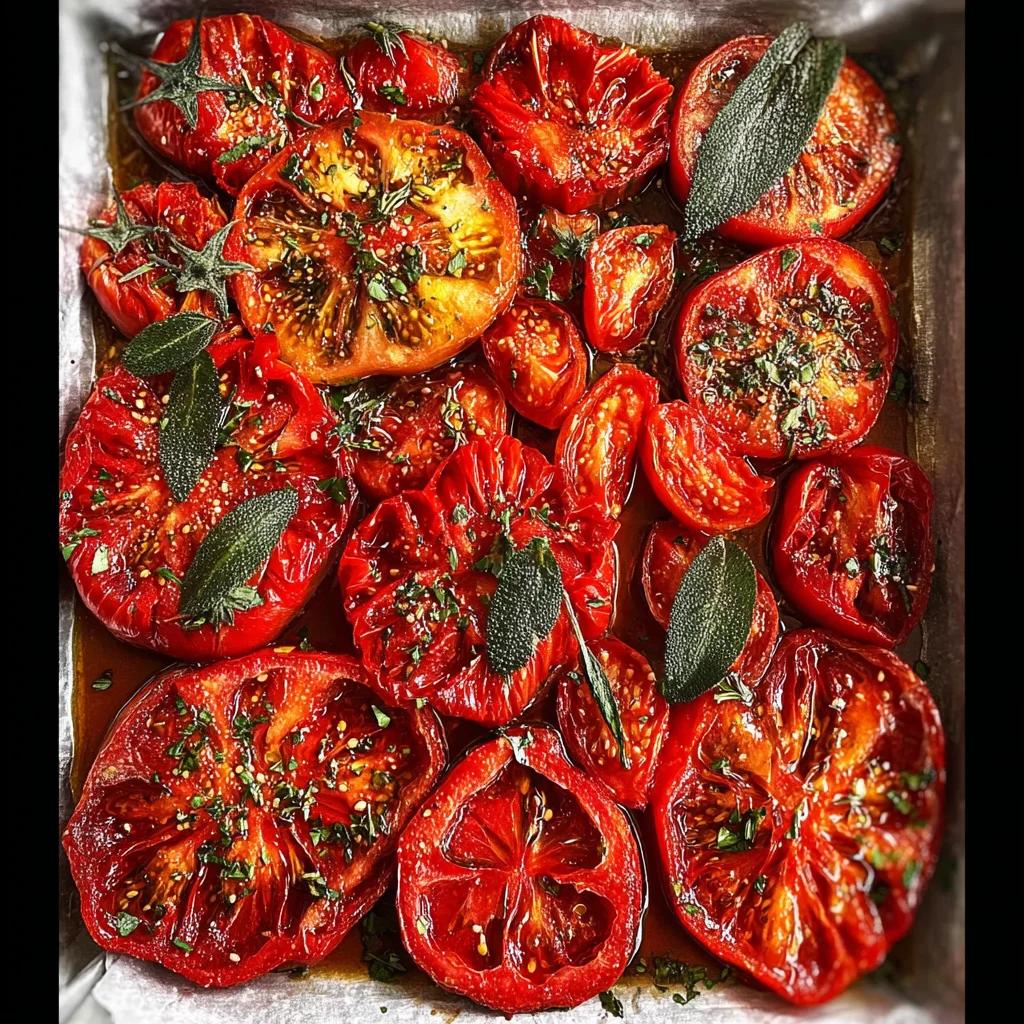
Nestle a few sprigs of fresh thyme among the tomatoes. Roast in the preheated oven for 45 to 60 minutes. You"re looking for the tomatoes to be very soft, collapsed, and charred in spots around the edges—this caramelization is key for depth of flavor.
Step 4 — Cool and Remove Herb Stems
Once roasted, remove the tray from the oven and let it cool for 10-15 minutes. This makes handling easier and allows flavors to settle. Discard the woody thyme stems; the leaves will have mostly fallen off into the sauce.
Step 5 — Blend to Desired Consistency
Transfer the entire contents of the baking sheet, including all the flavorful juices and oil, to a blender or food processor. In my tests, a blender creates a smoother, more emulsified sauce, while a food processor offers a slightly chunkier texture. Pulse until you reach your preferred consistency.
Step 6 — Adjust Seasoning and Serve
Taste your homemade roasted tomato sauce and adjust the seasoning with more salt or pepper if needed. The sauce is now ready to use immediately over pasta, or it can be cooled and stored. For a silkier finish, you can pass it through a fine-mesh strainer to remove any remaining seeds or skin.
Nutritional Information
| Calories | ~85 |
| Protein | 2.5g |
| Carbohydrates | 10g |
| Fat | 5g |
| Fiber | 3g |
| Sodium | ~150mg |
Note: Estimates are per ½-cup serving based on typical ingredients. This recipe is naturally low in sodium and an excellent source of Vitamin C and lycopene, antioxidants concentrated by the roasting process. Values may vary with ingredient brands and specific tomato varieties.
Healthier Alternatives
- Lower-Sodium Option — Omit added salt and rely on the natural sweetness of the roasted tomatoes and fresh herbs. You can add a splash of balsamic vinegar at the blending stage for a flavor boost without sodium.
- Oil-Free Version — For a fat-free roasted tomato sauce, use a high-quality non-stick baking mat or parchment paper. The tomatoes will still caramelize, though the sauce will be less rich and emulsified.
- Boost Umami — Add a few rehydrated sun-dried tomatoes or a teaspoon of nutritional yeast when blending for a deeper, savory flavor that mimics Parmesan, perfect for dairy-free diets.
- Spice It Up — Toss a whole, deseeded chili pepper onto the roasting tray. The dry heat mellows the spice and infuses the entire batch with a subtle warmth.
- Herb Swaps — Replace thyme with rosemary or oregano for a different aromatic profile. Using dried herbs? Add them after roasting to prevent burning and bitterness.
Serving Suggestions
- Toss with whole-wheat or legume-based pasta for a fiber-rich, satisfying meal.
- Use as a gourmet pizza sauce; its thick, concentrated texture prevents a soggy crust.
- Serve as a warm dip for crusty bread, grilled vegetables, or homemade meatballs.
- Elevate breakfast by poaching eggs directly in a simmering skillet of this sauce.
- Stir a spoonful into soups, stews, or braises to add a layer of roasted depth.
- Pair with a medium-bodied red wine like a Chianti or a crisp, citrus-forward white.
This versatile condiment shines year-round. In summer, use it fresh over zucchini noodles. In winter, it brings a taste of sunshine to hearty baked pasta dishes, making it a cornerstone for efficient meal prep.
Common Mistakes to Avoid
- Mistake: Cutting tomatoes unevenly. Fix: Aim for uniform chunks (1-2 inches) so they roast and caramelize at the same rate, preventing some from burning while others steam.
- Mistake: Skimping on oil or seasoning before roasting. Fix: In Step 2, coat every surface. The oil conducts heat and is essential for the Maillard reaction that creates complex flavor.
- Mistake: Overcrowding the baking sheet. Fix: Use two trays if needed. Crowding creates steam, which boils the tomatoes instead of roasting them, resulting in a watery sauce.
- Mistake: Blending the sauce while it"s piping hot. Fix: Allow it to cool slightly as in Step 4. Blending hot liquid can cause pressure to build and potentially blow the blender lid off—a serious safety hazard.
- Mistake: Not tasting and adjusting seasoning after blending. Fix: Flavors concentrate as they cook and cool. Always do a final taste in Step 6 and balance with a pinch of salt, pepper, or even a drop of honey if tomatoes were tart.
- Mistake: Using a dull blender. Fix: For the silkiest texture, a high-powered blender will fully puree the tomato skins and emulsify the sauce. A food processor will leave a more rustic, chunkier finish.
Storing Tips
- Fridge: Cool the sauce completely and store in an airtight container. It will keep for 5 to 7 days at or below 40°F. The flavor often improves after 24 hours as the ingredients meld.
- Freezer: For long-term storage, portion the cooled sauce into freezer-safe bags or jars, leaving 1-inch headspace. It maintains optimal quality for up to 6 months. Thaw overnight in the refrigerator.
- Reheat: Gently warm in a saucepan over medium-low heat, stirring occasionally. If freezing separated, a quick whisk will re-emulsify it. For food safety, reheat to an internal temperature of 165°F.
This recipe is a meal-prep champion. I regularly double the batch and freeze it in 1-cup portions. Having this homemade roasted tomato sauce on hand transforms a simple weeknight dinner into something special in minutes.
Conclusion
This roasted tomato sauce is the ultimate flavor shortcut, delivering a complexity that tastes like it simmered for hours with almost no active effort. Its versatility makes it a foundational recipe for countless meals. Try it over pasta like this Tomato Zucchini Pasta or as a base for Stuffed Peppers with Rice. Give this recipe a try and share your favorite way to use it in the comments below!
Frequently Asked Questions
Can I use canned tomatoes for this roasted tomato sauce?
Yes, you can use high-quality canned whole plum tomatoes. Drain them well and pat dry with paper towels to remove excess moisture before roasting. This method works well out of season, though the flavor will be slightly less bright and sweet compared to peak summer tomatoes.
What can I use if I don’t have fresh thyme?
Dried oregano or rosemary are excellent substitutes. Unlike fresh herbs, add 1-2 teaspoons of dried herbs directly to the tomatoes after they come out of the oven and have cooled slightly. This prevents the dried herbs from burning during roasting, which can create a bitter flavor in your sauce.
Why is my roasted tomato sauce too acidic or tart?
This usually happens if the tomatoes were under-ripe or a particularly acidic variety. The fix is simple: stir in ¼ to ½ teaspoon of baking soda after blending. It will react with the acids, neutralizing them without adding sweetness. Alternatively, a pinch of sugar or a drizzle of honey can balance the flavor more subtly.
PrintRoasted Tomato Sauce
Ingredients
- 3–4 lbs Fresh tomatoes (- can be any variety, shape or color but paste/plum tomatoes perform best)
- 5 Cloves of garlic (- Peeled)
- 2–4 tbsp Extra Virgin Olive Oil
- Fresh Thyme Sprigs
- Kosher salt and pepper to taste
Instructions
- Preheat your oven to 350F/175C and line baking sheets or roasting pans with parchment paper. Arrange tomatoes in an even layer. Large tomatoes can be cut up into rounds or chunks. Add peeled garlic cloves to roasting pans. No need to chop them up. Place sprigs of thyme over the tomatoes evenly. No need to strip the thyme leaves. Drizzle with Extra Virgin Olive Oil and season with salt and pepper. Roast in preheated oven for 45 minutes.
- Remove from oven and let cool. Discard thyme sprigs. They did their job.
- Transfer tomatoes, garlic and all the juices to a blender and blend on Med-high until smooth.
- Optional – Sieve the mixture to remove seeds and skins
- Optional – If your sauce is too thin, transfer to a pot and cook down to desired consistency.
- Adjust seasoning and transfer to storage containers.
You Might Also Like
- Best Homemade Shepherd’s Pie Recipe – Easy & Comforting
- Delicious Pasta Primavera Recipe
- Risi e Bisi (Italian Rice and Peas) Recipe
- Chicken Dressing Casserole Recipe
Get our 10 best recipes — free
Join the Rapid Recipes newsletter and we’ll email you our 10 most-loved recipes as a free PDF.
Free PDF + new recipes every week. Unsubscribe anytime.



4 Comments