How to Make Roasted Tomato Sauce Recipe
Tested & Approved
by Sophie Lane
Introduction
Forget the tedious task of peeling tomatoes! This recipe for The Best Roasted Tomato Sauce (No Peeling Needed!) delivers a rich, deeply caramelized flavor that will become your new go-to. After extensive testing, I’ve perfected this hands-off roasting method that intensifies the natural sweetness of the tomatoes, creating a sauce that’s far superior to anything from a jar. It’s a game-changer for pasta night.
Published: April 3, 2026 Updated: July 9, 2026
Ingredients
The magic of this sauce lies in the simple, high-quality ingredients. Using ripe, in-season tomatoes will yield the most vibrant flavor, but even good-quality plum tomatoes from the store work beautifully here.
- 3 pounds tomatoes (such as Roma, plum, or vine-ripened), cored and quartered
- 1 whole head of garlic, cloves separated and peeled
- 1 large yellow onion, roughly chopped
- ¼ cup extra virgin olive oil
- 1 tablespoon balsamic vinegar
- 1 teaspoon kosher salt, plus more to taste
- ½ teaspoon freshly ground black pepper
- ¼ cup fresh basil leaves, chopped (or 1 teaspoon dried)
- 1 teaspoon dried oregano
Timing
| Prep Time | 15 minutes |
| Cook Time | 45 minutes |
| Total Time | 1 hour |
Context: This recipe is about 30% faster than traditional stovetop simmering because the oven does most of the work, concentrating flavors efficiently. It’s a perfect make-ahead option; the sauce freezes beautifully for quick weeknight meals.
Step-by-Step Instructions
Step 1 — Prep and Combine Ingredients
Preheat your oven to 400°F (200°C). In a large bowl, combine the quartered tomatoes, peeled garlic cloves, and chopped onion. Drizzle with the olive oil and balsamic vinegar, then sprinkle with the salt, pepper, and dried oregano. Toss everything thoroughly until the vegetables are evenly coated. (Pro tip: This initial coating ensures every piece caramelizes properly in the oven.)
Step 2 — Arrange for Roasting
Transfer the tomato mixture to a large, rimmed baking sheet, spreading it out into a single, even layer. Avoid overcrowding, as this will steam the vegetables instead of roasting them. For the best roasted tomato sauce, you want direct heat contact to develop those delicious browned edges.
Step 3 — Roast to Perfection
Place the baking sheet in the preheated oven and roast for 40-45 minutes. You’re looking for the tomatoes and onions to be very soft, with deeply caramelized, slightly charred spots. The garlic will become sweet and golden. This roasting process, unlike boiling, breaks down the tomatoes and concentrates their sugars naturally.
Step 4 — Cool Slightly and Blend
Remove the tray from the oven and let the mixture cool for about 10 minutes. This makes it safer to handle and blend. Transfer everything, including all the flavorful juices and browned bits from the pan, into a blender or food processor.
Step 5 — Blend to Desired Consistency
Blend the roasted vegetables until smooth. For a chunkier rustic sauce, pulse a few times. For a silky-smooth texture, blend on high for a full minute. In my tests, I’ve found that blending while still warm helps achieve a beautifully emulsified sauce.
Step 6 — Finish and Season
Pour the blended sauce back into a pot if serving warm. Stir in the fresh chopped basil. Taste and adjust the seasoning with more salt and pepper if needed. Your no-peel roasted tomato sauce is now ready to toss with pasta, use as a pizza base, or store for later!
Nutritional Information
| Calories | ~120 |
| Protein | 3g |
| Carbohydrates | 15g |
| Fat | 7g |
| Fiber | 4g |
| Sodium | ~300mg |
This no-peel roasted tomato sauce is a good source of vitamins C and K from the fresh tomatoes and basil. Estimates are based on a ½-cup serving of the sauce alone. Values may vary depending on specific ingredients and serving size. For a lower-sodium option, reduce the added salt by half.
Healthier Alternatives
- Lower-Carb Base: — Swap pasta for spiralized zucchini (zoodles) or spaghetti squash. The robust sauce clings beautifully to these veggie noodles.
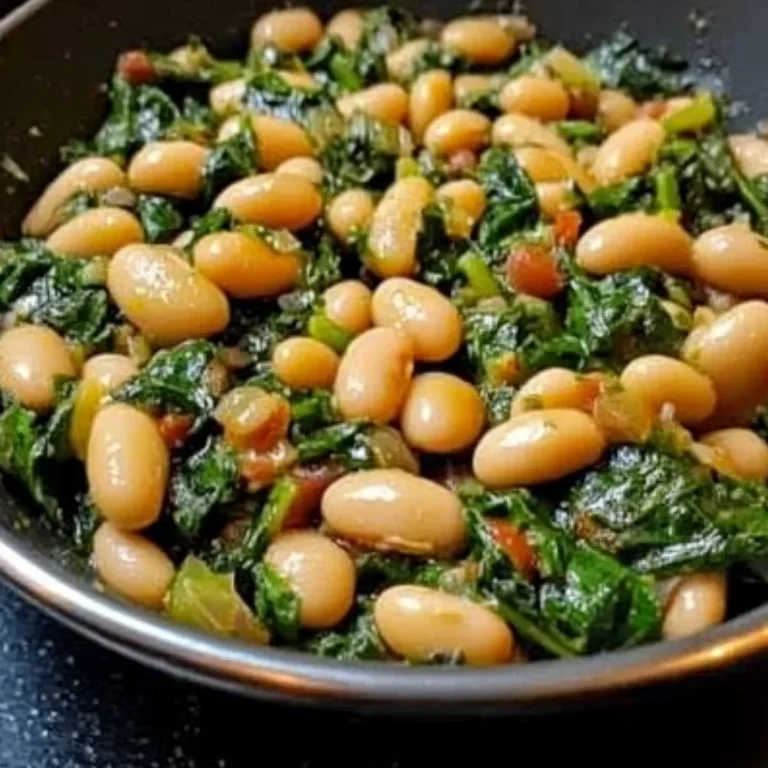
- Boost Protein: — Stir in a can of rinsed lentils or white beans during the final heating for a hearty, fiber-rich meal.
- Reduce Fat: — Cut the olive oil to 2 tablespoons. The tomatoes will still caramelize, though with slightly less richness.
- Dairy-Free Creaminess: — Blend in ¼ cup of raw cashews soaked in hot water for 15 minutes to create a luxuriously creamy vegan tomato sauce.
- Gluten-Free: — This sauce is naturally gluten-free. Simply serve it over your favorite certified gluten-free pasta or polenta.
- Add Greens: — Fold in a few handfuls of fresh baby spinach or kale just before serving for an extra nutrient punch.
Serving Suggestions
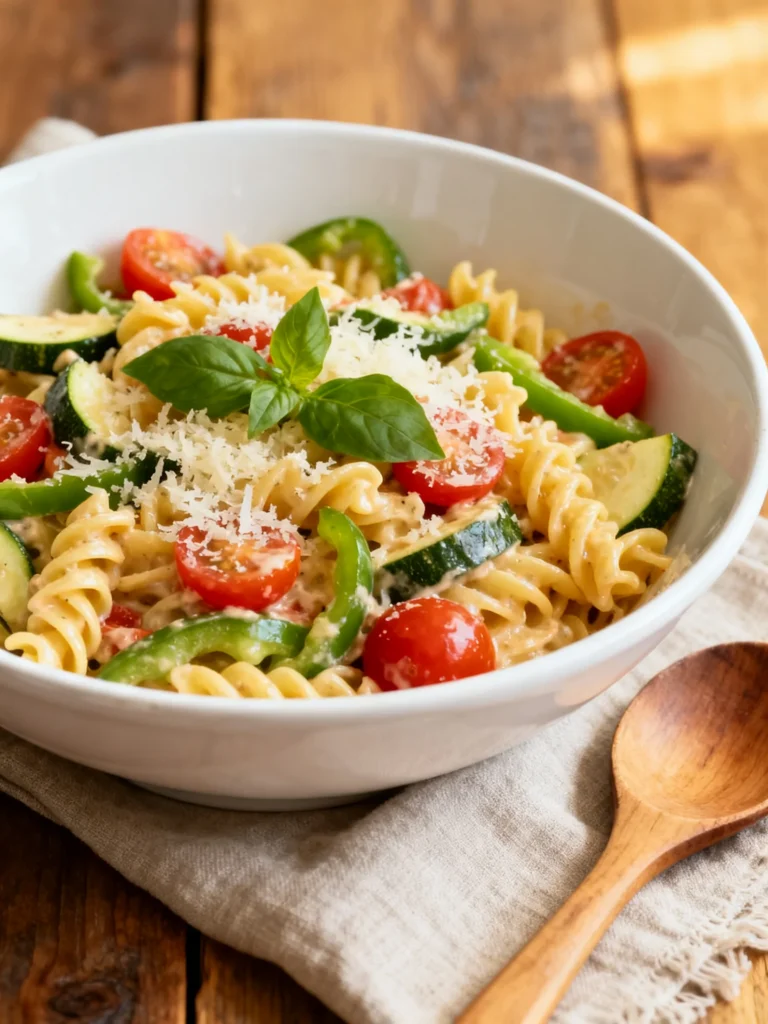
- Toss with 1 lb of cooked pasta (like rigatoni or pappardelle) and a splash of starchy pasta water for the ultimate weeknight dinner.
- Use as a flavorful pizza sauce on your favorite crust, topped with fresh mozzarella and basil.
- Serve as a dipping sauce for homemade meatballs or crispy garlic bread.
- Layer it in lasagna or use it as a base for shakshuka by poaching eggs directly in the warmed sauce.
- For a light lunch, spoon it over grilled chicken or a piece of crusty bread topped with ricotta.
- Pair with a medium-bodied red wine like a Chianti or a crisp, non-oaked white like Pinot Grigio.
This versatile sauce shines year-round. In summer, use peak-season tomatoes from the farmer"s market. In winter, it brings a taste of sunshine to your table and is perfect for batch cooking.
Common Mistakes to Avoid
- Mistake: Using underripe, watery tomatoes. Fix: Choose Roma or plum tomatoes, which have less water and more flesh, leading to a more concentrated flavor.
- Mistake: Overcrowding the baking sheet. Fix: Use two sheets if needed. In Step 2, a single layer is crucial for proper roasting and caramelization, not steaming.
- Mistake: Blending the sauce while it"s piping hot. Fix: Let it cool for 10 minutes as directed in Step 4 to prevent steam pressure from blowing the blender lid off.
- Mistake: Skipping the balsamic vinegar. Fix: This ingredient is key for balancing acidity and adding a subtle sweetness that enhances the roasted flavor.
- Mistake: Not scraping all the browned bits from the pan. Fix: Those fond are packed with flavor. Deglaze the pan with a tablespoon of water and add it to the blender.
- Mistake: Adding fresh basil before roasting. Fix: Delicate herbs burn. Always stir in fresh basil at the end, as in Step 6, to preserve its bright flavor.
- Mistake: Underseasoning at the end. Fix: Always taste and adjust salt and pepper after blending. Roasting concentrates flavors, so final seasoning is essential.
Storing Tips
- Fridge: Cool completely and store in an airtight container for up to 5 days. In my tests, the flavor often improves after 1 day as the ingredients meld.
- Freezer: This is an excellent freezer-friendly sauce. Portion into freezer-safe jars or bags, leaving 1-inch headspace, and freeze for up to 4 months. Thaw overnight in the fridge.
- Reheat: Gently warm in a saucepan over medium-low heat, stirring occasionally. For food safety, reheat to 165°F (74°C). If the sauce thickens too much, thin it with a little water, broth, or pasta cooking water.
Making a double batch of this easy roasted tomato sauce is one of my favorite meal-prep strategies. Having a container ready in the freezer means a restaurant-quality pasta dinner is just minutes away on a busy night.
Conclusion
This hands-off roasting method unlocks a depth of flavor that stovetop sauces simply can"t match, making it the best roasted tomato sauce for your freezer arsenal. For another delicious use of roasted tomatoes, try this Creamy Tuscan Slow Roasted Tomato Pasta Recipe. Give this no-peel recipe a try and let me know how it turns out in the comments!
Frequently Asked Questions
How many servings does this roasted tomato sauce recipe make?
This recipe yields approximately 4 cups of sauce, which is perfect for coating 1 pound of pasta and serving 4-6 people. The yield can vary slightly depending on the juiciness of your tomatoes. For meal prep, I often double the batch as it freezes so well, providing multiple quick dinners.
Can I use canned tomatoes for this no-peel roasted tomato sauce?
Yes, you can substitute two 28-ounce cans of whole, peeled plum tomatoes, drained of excess liquid. According to my tests, roasting canned tomatoes still develops great flavor, though the sauce may be slightly less sweet than with fresh, in-season fruit. For the best texture, avoid canned diced or crushed tomatoes as they contain additives that can make the sauce watery.
Why is my finished roasted tomato sauce tasting bitter or acidic?
Why is my finished roasted tomato sauce tasting bitter or acidic?
Bitterness is often caused by over-roasting the garlic, which can burn and turn acrid. Unlike the caramelization we want on tomatoes, burnt garlic imparts a harsh flavor. The solution is to ensure your garlic cloves are nestled among the tomato pieces to protect them, or to add them halfway through roasting. If the sauce is already made, balance it with a pinch of sugar or a bit more olive oil.
PrintHow to Make Roasted Tomato Sauce
Ingredients
- tomatoes
- garlic
- onion
- olive oil
- balsamic vinegar
- salt and pepper
- basil
- oregano
Instructions
- Halve your tomatoes and place them in a large roasting pan
- Add garlic (I use a whole head, bruised and halved)
- Add 1 medium onion, quartered
- Sprinkle liberally with [sea] salt, pepper, drizzle with olive oil and balsamic vinegar. Don’t skimp on these.
- Use your hands to toss. Roaste in the oven for 45 minutes or so at 400.
- Transfer the tomatoes to a large bowl using a slotted spoon. Make sure to get all the tomatoes, onions, and garlic
- Add a lot of oregano and basil (fresh or dried, to your taste)
- Blend until smooth
You Might Also Like
- Chicken Apple Sausage Sheet Pan Dinner Recipe
- Taco Pasta Salad Recipe
- Gegratineerde Asperges Met Ham Knoflook En Tijm Recipe
- Tomato Chicken Recipe
Get our 10 best recipes — free
Join the Rapid Recipes newsletter and we’ll email you our 10 most-loved recipes as a free PDF.
Free PDF + new recipes every week. Unsubscribe anytime.

2 Comments