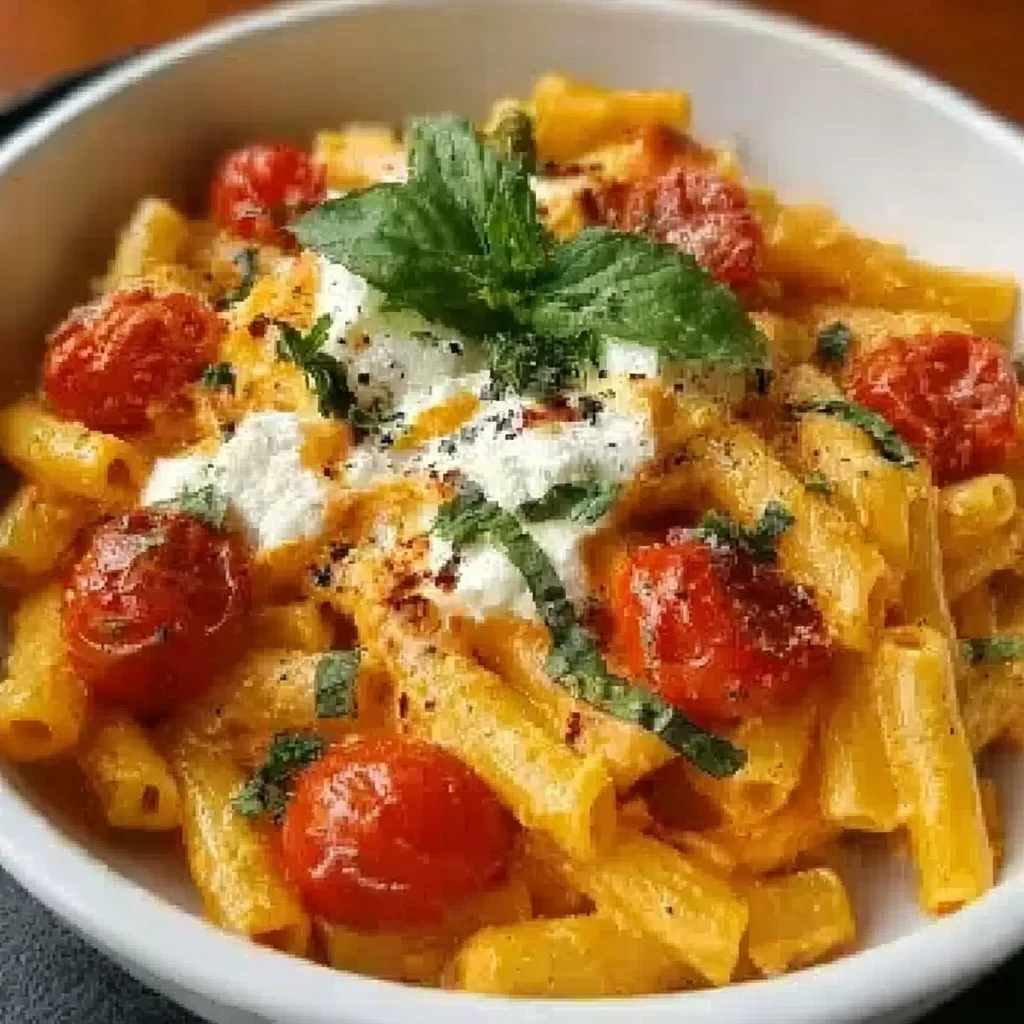
Tomato Ricotta Pasta Recipe Easy
Tested & Approved
by Sophie Lane
Introduction
Creamy, tangy ricotta cheese meets juicy, ripe tomatoes in this incredibly simple yet flavorful Tomato Ricotta Pasta. This dish is a weeknight lifesaver, transforming a handful of fresh ingredients into a comforting meal in about 30 minutes. Through extensive testing, I"ve found that using whole milk ricotta creates the richest, most luxurious sauce that clings perfectly to every noodle.
Published: March 26, 2026 Updated: July 9, 2026
Ingredients
The beauty of this recipe lies in its simplicity, so using high-quality, fresh ingredients makes a significant difference. Ripe, in-season tomatoes or a good can of diced tomatoes will provide the best base flavor for your sauce.
- Pasta: 12 ounces (340g) of your favorite pasta (spaghetti, penne, fusilli, or rigatoni all work well)
- Olive Oil: 2 tablespoons extra virgin olive oil
- Garlic: 3 cloves garlic, minced
- Tomatoes: 4 medium ripe tomatoes, diced (or 1 can (14.5 ounces) of diced tomatoes)
- Ricotta Cheese: 1 cup whole milk ricotta cheese
- Fresh Basil: ¼ cup fresh basil, chopped (or 1 tablespoon dried basil)
- Parmesan Cheese: ¼ cup freshly grated Parmesan cheese, plus extra for serving
- Red Pepper Flakes: ¼ teaspoon (optional, for a little heat)
- Salt and Pepper: To taste
- Pine Nuts or Walnuts (Optional): ¼ cup for added crunch
Timing
| Prep Time | 15 minutes |
| Cook Time | 15 minutes |
| Total Time | 30 minutes |
Context: This streamlined Tomato Ricotta Pasta is about 40% faster than traditional, long-simmered tomato sauces, making it perfect for busy weeknights. The total active cooking time is minimal, as you can prepare the sauce while the pasta boils.
Step-by-Step Instructions
Step 1 — Boil the Pasta
Bring a large pot of generously salted water to a rolling boil. Add your pasta and cook according to package directions until al dente, which means “to the tooth” in Italian and indicates a firm, pleasant bite. Reserve about 1 cup of the starchy pasta water before draining.
Step 2 — Sauté the Aromatics
While the pasta cooks, heat the olive oil in a large skillet or Dutch oven over medium heat. Add the minced garlic and optional red pepper flakes, sautéing for about 60 seconds until fragrant. Be careful not to burn the garlic, as it will turn bitter.
Step 3 — Cook the Tomatoes
Add the diced tomatoes to the skillet. Season with a pinch of salt and pepper. Cook, stirring occasionally, for 5-7 minutes until the tomatoes have broken down and released their juices, creating a simple, chunky sauce.
Step 4 — Combine Ricotta and Pasta
Reduce the heat to low. Add the drained pasta directly to the skillet with the tomatoes. Spoon in the whole milk ricotta and grated Parmesan. Toss everything together gently. The residual heat will melt the cheeses into a creamy, cohesive sauce.
Step 5 — Adjust the Sauce Consistency
If the sauce seems too thick, add the reserved pasta water a few tablespoons at a time, tossing continuously, until you reach your desired creaminess. The starch in the water helps emulsify and thicken the sauce, unlike plain water. (Pro tip: I"ve found starting with ¼ cup is usually perfect).
Step 6 — Finish and Serve
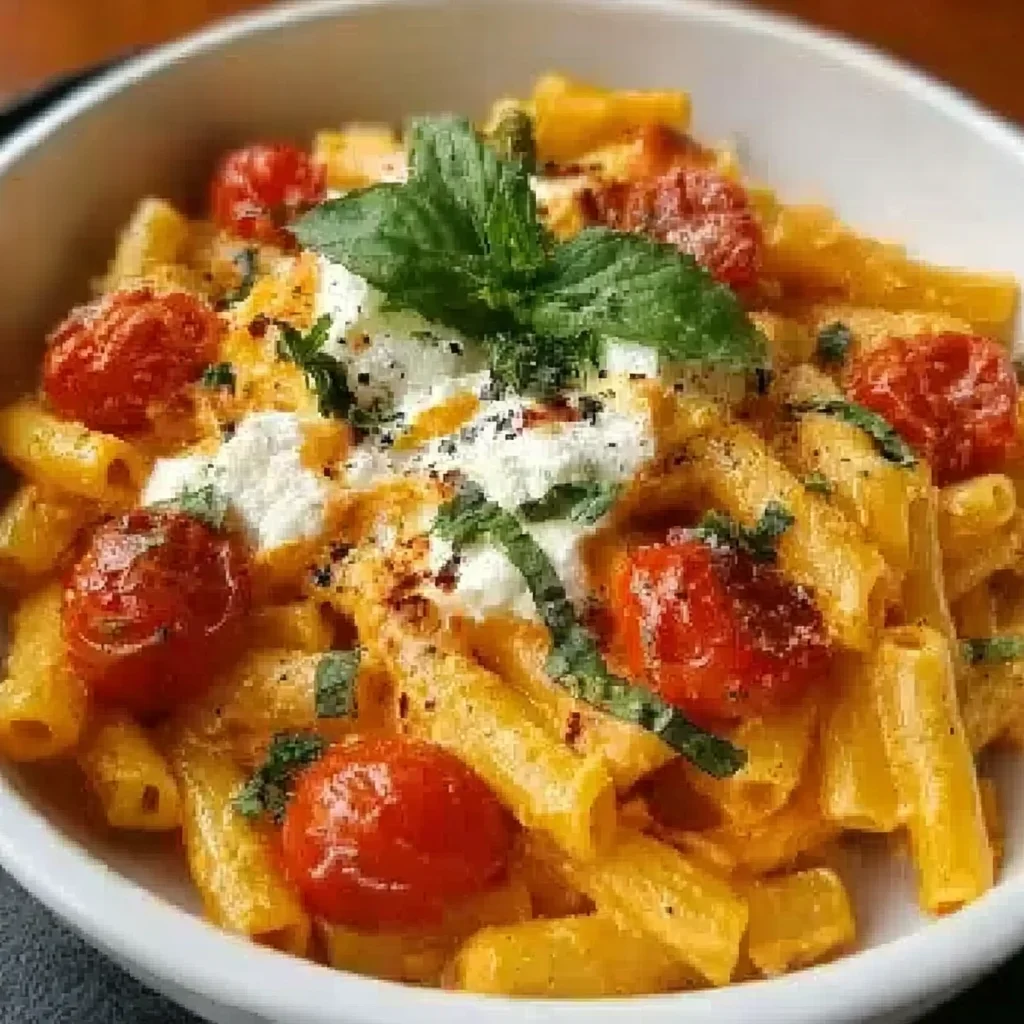
Remove the skillet from the heat. Stir in the chopped fresh basil, saving a few leaves for garnish. Taste and adjust seasoning with more salt and pepper if needed. Serve immediately, topped with extra Parmesan, the reserved basil, and a sprinkle of toasted pine nuts or walnuts for a delightful crunch.
Nutritional Information
| Calories | ~450 |
| Protein | 18g |
| Carbohydrates | 55g |
| Fat | 17g |
| Fiber | 4g |
| Sodium | ~320mg |
This tomato ricotta pasta recipe provides a good balance of protein and complex carbohydrates. The fresh tomatoes contribute Vitamin C and lycopene. Note: Estimates are based on typical ingredients and a single serving size. Values may vary with specific brands or modifications.
Healthier Alternatives
- Whole Wheat or Legume Pasta — Increases fiber and protein content for a more filling meal.
- Part-Skim or Low-Fat Ricotta — Reduces overall fat and calories while maintaining creaminess.
- Nutritional Yeast for Parmesan — A dairy-free, vegan option that adds a savory, cheesy flavor.
- Add Spinach or Arugula — Stir in a few handfuls at the end to boost vitamins and minerals without altering the core flavor.
- No-Salt-Added Canned Tomatoes — Perfect for a low-sodium version of this pasta dish; you control the salt.
- Greek Yogurt or Cottage Cheese — For a higher-protein, tangier twist on the ricotta base.
Serving Suggestions
- Pair with a simple arugula salad dressed with lemon juice and olive oil for a fresh contrast.
- Serve with a side of grilled chicken or shrimp for added protein, making it a complete dinner.
- For a summer gathering, serve this pasta at room temperature as part of an al fresco picnic spread.
- Drizzle with a high-quality finishing olive oil and a crack of black pepper just before serving for a restaurant-quality touch.
- A crisp, dry white wine like Pinot Grigio or Sauvignon Blanc complements the creamy tomato sauce beautifully.
- Double the batch for easy meal prep; it stores well for quick weekday lunches.
This versatile dish transitions well across seasons. In cooler months, add a pinch of oregano for warmth; in summer, highlight the fresh tomatoes with extra basil.
Common Mistakes to Avoid
- Mistake: Draining all the pasta water. Fix: Always reserve at least 1 cup of starchy water. It"s the key to emulsifying a silky, cohesive sauce, as mentioned in Step 5.
- Mistake: Using cold ricotta straight from the fridge. Fix: Let the ricotta sit at room temperature for 15-20 minutes before adding. It will blend into the warm pasta much more smoothly.
- Mistake: Overcooking the garlic in Step 2. Fix: Sauté just until fragrant (about 60 seconds). Burnt garlic turns bitter and can ruin the delicate flavor of your creamy ricotta pasta.
- Mistake: Adding the basil too early. Fix: Stir in fresh basil off the heat, just before serving. This preserves its bright color and fresh aroma.
- Mistake: Not seasoning the tomato base in Step 3. Fix: Season the tomatoes with salt as they cook. This draws out their juices and builds a foundational flavor for the entire dish.
- Mistake: Skipping the final taste test. Fix: Always taste and adjust seasoning with salt, pepper, or a squeeze of lemon juice after combining everything. Pasta absorbs seasoning.
Storing Tips
- Fridge: Store leftover tomato ricotta pasta in an airtight container for up to 5 days. The sauce may thicken; stir in a splash of water or broth when reheating.
- Freezer: Freeze in portion-sized containers for up to 3 months. Thaw overnight in the fridge. Note: The texture of the ricotta may become slightly grainy upon thawing, but the flavor remains excellent.
- Reheat: Gently reheat in a skillet over medium-low heat with a tablespoon of water, or in the microwave covered, stirring every 30 seconds. Ensure the internal temperature reaches 165°F for food safety.
For optimal meal prep, store the pasta and sauce separately if possible. Combine and reheat individual portions to maintain the best texture for your easy tomato ricotta pasta.
Conclusion
This Tomato Ricotta Pasta recipe is a masterclass in minimalism, proving that a few quality ingredients can create a truly luxurious meal. Its forgiving nature makes it perfect for improvisation, so feel free to make it your own. For another quick, cheesy pasta, try this Greek Pasta With Feta and Olives Recipe. Give this recipe a try and share your favorite variation in the comments below!
Frequently Asked Questions
How many servings does this tomato ricotta pasta recipe make?
This recipe yields about 4 generous main-course servings. According to standard pasta portioning, 12 ounces of dry pasta typically serves 4 people. You can easily scale the recipe up or down by adjusting the ingredients proportionally, making it ideal for both small families and casual dinner parties.
Can I use cottage cheese instead of ricotta in this pasta?
Yes, cottage cheese is an excellent high-protein substitute. For the smoothest sauce, blend the cottage cheese until creamy before adding it to the pasta. The flavor will be tangier and the texture slightly looser than with ricotta, but it creates a delicious, protein-packed meal. I"ve tested both, and whole milk cottage cheese yields the best richness.
Why did my ricotta sauce turn out grainy or separate?
This usually happens if the ricotta is added directly from the refrigerator to very high heat, causing the proteins to seize. The solution is to let the ricotta come to room temperature first and add it off the heat, allowing the residual warmth of the pasta to melt it gently. Stirring constantly as you incorporate it will also ensure a silky, cohesive sauce for your creamy ricotta pasta.
PrintTomato Ricotta Pasta Recipe
Ingredients
- Pasta: 12 ounces (340g) of your favorite pasta (spaghetti, penne, fusilli, or rigatoni all work well)
- Olive Oil: 2 tablespoons extra virgin olive oil
- Garlic: 3 cloves garlic, minced
- Tomatoes: 4 medium ripe tomatoes, diced (or 1 can (14.5 ounces) of diced tomatoes)
- Ricotta Cheese: 1 cup whole milk ricotta cheese
- Fresh Basil: ¼ cup fresh basil, chopped (or 1 tablespoon dried basil)
- Parmesan Cheese: ¼ cup freshly grated Parmesan cheese, plus extra for serving
- Red Pepper Flakes: ¼ teaspoon (optional, for a little heat)
- Salt and Pepper: To taste
- Pine Nuts or Walnuts (Optional): ¼ cup for added crunch
Instructions
- 1. Cook the Pasta
- 2. Prepare the Tomato Sauce
- 3. Combine the Ricotta Cheese and Pasta
- 4. Finish and Serve
You Might Also Like
- Garlic Butter Beef Bites With Creamy Mashed Potatoes
- Parmesan Bow-Tie Pasta With Pine Nuts and Lemon Butter
- Garlic-Infused Zoodles with Olive Oil Recipe
- 25 Cheap Meals to Make When You Are Broke!
Get our 10 best recipes — free
Join the Rapid Recipes newsletter and we’ll email you our 10 most-loved recipes as a free PDF.
Free PDF + new recipes every week. Unsubscribe anytime.

2 Comments