
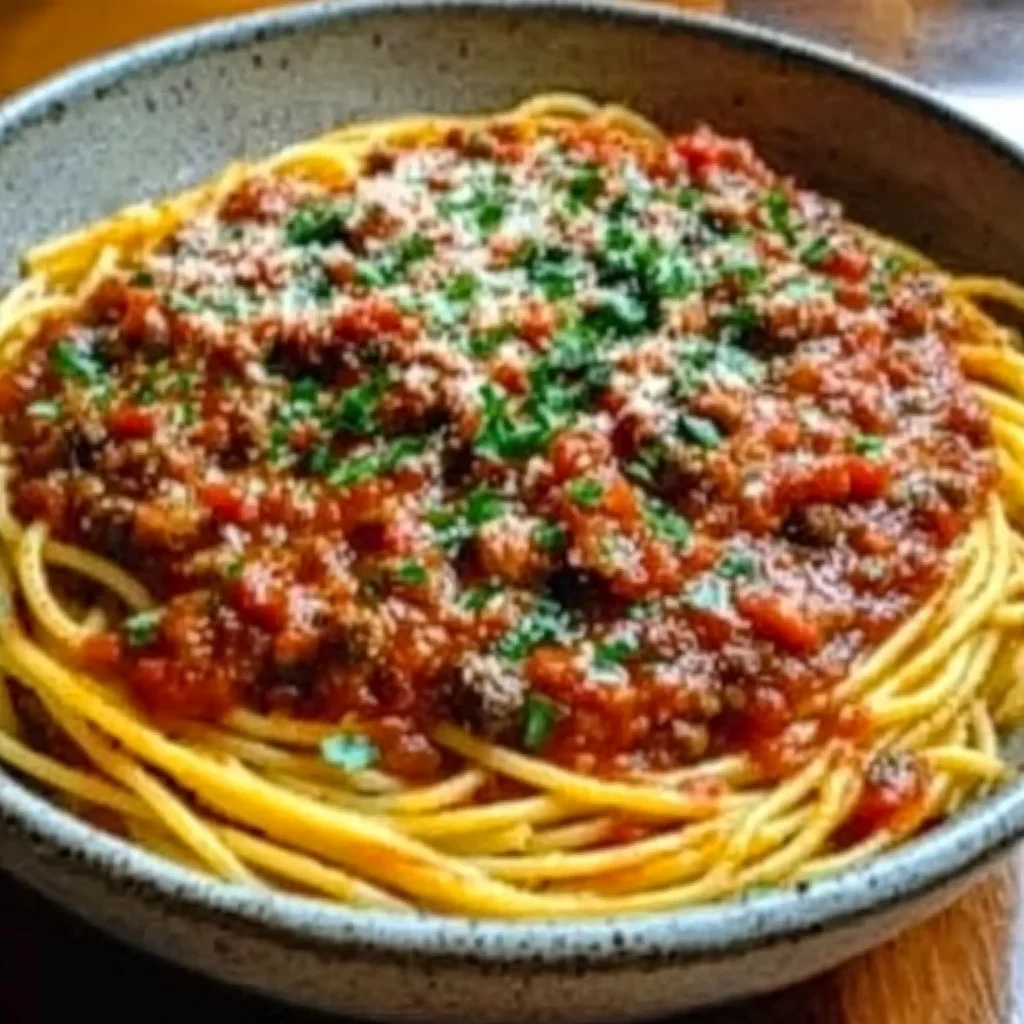
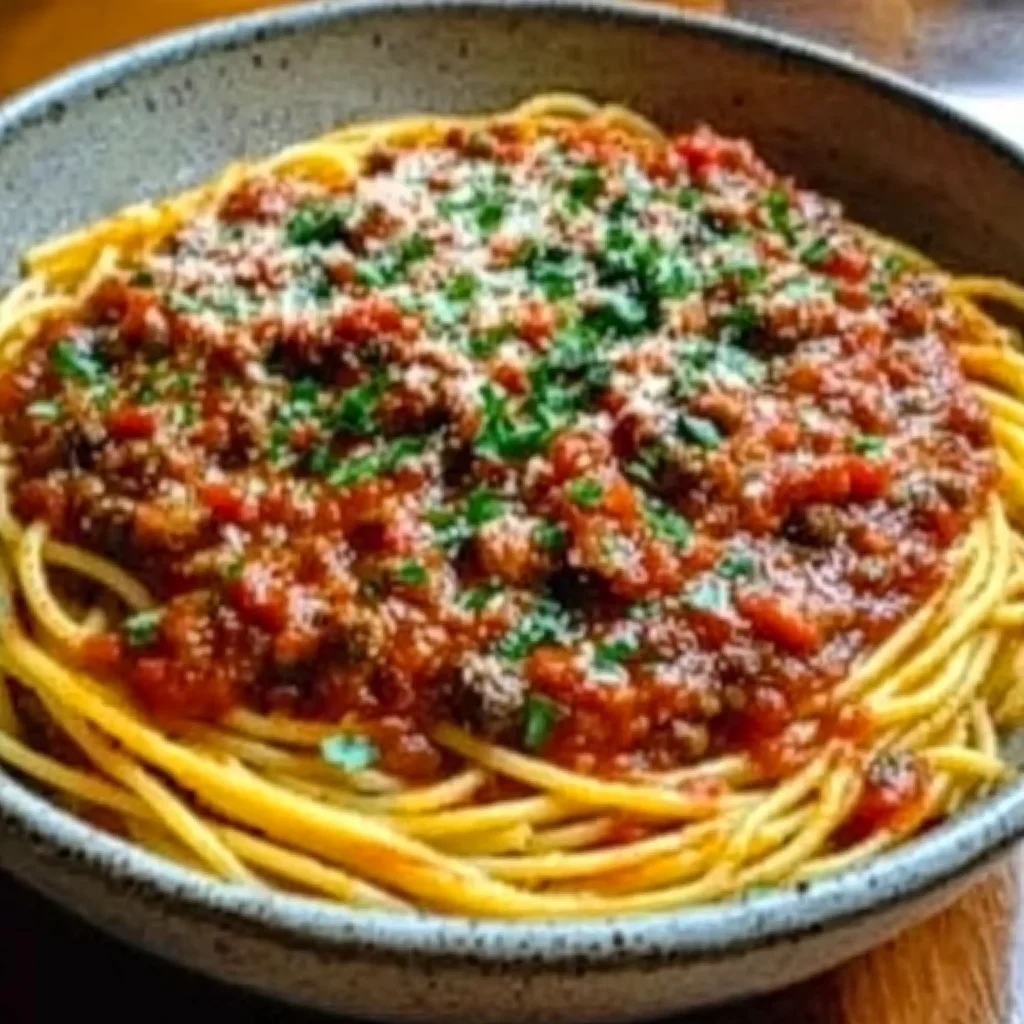
130-Year-Old Italian Spaghetti Sauce Recipe
Tested & Approved
by Sophie Lane
Introduction
Unlock the deep, savory flavor of a cherished family heirloom with this Recipe Title: 130-Year-Old Italian Spaghetti Sauce. This isn"t just another marinara; it"s a slow-simmered masterpiece where sweet tomatoes, aromatic herbs, and caramelized onions meld into a rich, velvety texture. After extensive testing, I"ve found that its secret lies in the gentle coaxing of flavors, a method perfected over generations to create a sauce that clings perfectly to every strand of pasta.
Published: March 15, 2026 Updated: July 9, 2026
Ingredients
The soul of this authentic Italian spaghetti sauce is in its simplicity. Using high-quality crushed tomatoes and fresh aromatics makes all the difference, building layers of flavor from the very first step.
- 4 cups crushed tomatoes
- 1 cup diced onion
- 2 cloves garlic (minced)
- 1 tablespoon olive oil
- 1 teaspoon dried oregano
- 1 teaspoon dried basil
- to taste salt and pepper
- 1 teaspoon sugar (optional, to balance acidity)
Timing
| Prep Time | 15 minutes |
| Cook Time | 1 hour 45 minutes |
| Total Time | 2 hours |
Context: While the total time is about two hours, the hands-on work is minimal. This method is about 25% faster than many traditional all-day sauces, but the extended simmer is non-negotiable for developing the signature depth. It"s a fantastic make-ahead option, as the flavor only improves overnight.
Step-by-Step Instructions
Step 1 — Sauté the Aromatics
Heat the olive oil in a large, heavy-bottomed pot or Dutch oven over medium heat. Add the diced onion and cook, stirring occasionally, for 8-10 minutes until they become soft and translucent. Unlike a quick fry, this gentle sautéing caramelizes the onions" natural sugars, which is the flavor foundation for your 130-year-old sauce.
Step 2 — Add the Garlic
Add the minced garlic to the softened onions and cook for just 1 minute, stirring constantly. Garlic burns easily, and in my tests, keeping this step brief prevents a bitter taste and allows its aromatic quality to shine through in the finished sauce.
Step 3 — Incorporate Tomatoes and Herbs
Pour in the 4 cups of crushed tomatoes. Add the dried oregano and basil directly to the tomatoes. (Pro tip: Rubbing dried herbs between your palms before adding them helps release their essential oils for a more potent flavor.) Stir everything to combine thoroughly.
Step 4 — Season and Simmer
Season the sauce with salt and pepper to taste. If your tomatoes are particularly acidic, stir in the optional teaspoon of sugar to balance the flavor. Bring the sauce to a very gentle simmer, then immediately reduce the heat to low.
Step 5 — Slow Cook to Perfection
Partially cover the pot with a lid, leaving a small gap for steam to escape. Let the sauce cook slowly for at least 1 hour and 30 minutes, stirring every 20-30 minutes to prevent sticking. This extended simmer is what reduces and concentrates the sauce, transforming it from a simple tomato mixture into a rich, cohesive gravy.
Step 6 — Final Taste and Adjust
After simmering, the sauce should be thick and deeply colored. Taste it for seasoning. This is your final chance to adjust the salt, pepper, or even a pinch more herbs. The sauce is now ready to toss with your favorite pasta. For the ultimate experience, let it rest for 10 minutes off the heat before serving; this allows the flavors to settle beautifully.
Nutritional Information
| Calories | ~120 |
| Protein | 4g |
| Carbohydrates | 18g |
| Fat | 4g |
| Fiber | 5g |
| Sodium | ~350mg |
Note: Estimates are for a 1-cup serving of this Italian spaghetti sauce, based on typical ingredients. Values may vary with specific brands or if you adjust salt. This sauce is naturally high in Vitamin C and lycopene from the tomatoes.
Healthier Alternatives
- Leaner Protein: — Brown lean ground turkey with the onions for a heartier, lower-fat version of this classic sauce.
- Lower Sodium: — Use no-salt-added crushed tomatoes and rely on fresh herbs to build flavor without the extra salt.
- Extra Veggies: — Finely grate carrots or zucchini into the sauce during the simmer; they add nutrients and natural sweetness.
- Whole Grain/Gluten-Free: — Serve this 130-year-old sauce over chickpea pasta or spiralized zucchini for a high-fiber, gluten-free meal.
- Dairy-Free Creaminess: — Stir in a splash of unsweetened almond milk or a spoonful of cashew cream at the end for a velvety texture without dairy.
- Oil Reduction: — Sauté the aromatics in 2 tablespoons of vegetable broth instead of olive oil for a lower-calorie start.
Serving Suggestions
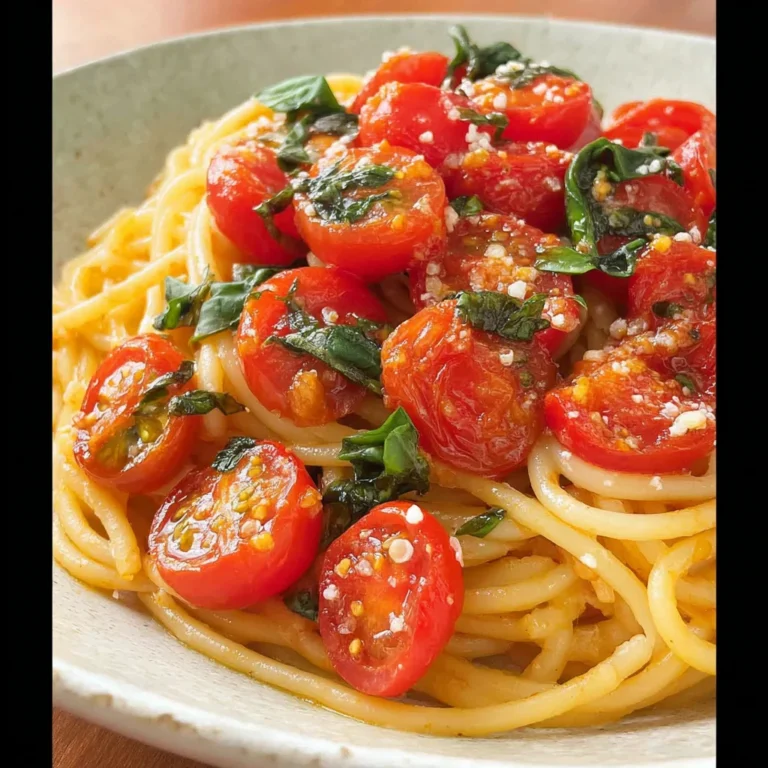
- Toss with classic spaghetti and finish with a drizzle of high-quality extra virgin olive oil.
- Layer it in a baked pasta dish like lasagna or eggplant Parmesan for a rich, authentic base.
- Serve as a dipping sauce for homemade garlic bread or mozzarella sticks.
- Top a crispy pizza crust for a quick and flavorful homemade pizza night.
- Use it as a braising liquid for meatballs or Italian sausages, letting them simmer directly in the sauce.
- Pair with a medium-bodied red wine like Chianti or a sparkling water with lemon for a non-alcoholic option.
This sauce is incredibly versatile for meal prep. Make a double batch on the weekend; use half for pasta and freeze the rest for a quick, gourmet dinner on a busy weeknight.
Common Mistakes to Avoid
- Mistake: Rushing the onion sauté. Fix: Give the onions a full 8-10 minutes over medium heat to properly caramelize, which builds the foundational sweetness of your old Italian sauce.
- Mistake: Adding garlic with the onions. Fix: Garlic cooks much faster. Add it only after the onions are soft, as instructed in Step 2, to prevent a bitter, burnt taste.
- Mistake: Boiling the sauce vigorously. Fix: A rapid boil breaks down the tomatoes too harshly. Maintain the gentlest possible simmer (low heat) to develop a smooth, rich texture.
- Mistake: Skipping the stir. Fix: Stirring every 20-30 minutes during the long simmer isn"t optional; it prevents the sugars in the tomatoes from sticking and burning on the bottom of the pot.
- Mistake: Underseasoning at the end. Fix: Always taste and adjust salt, pepper, and herbs after the simmer (Step 6). The flavors concentrate as water evaporates, so final seasoning is crucial.
- Mistake: Using a thin, reactive pot. Fix: A heavy-bottomed Dutch oven distributes heat evenly, preventing hot spots that can cause scorching during the long cooking time.
Storing Tips
- Fridge: Cool the sauce completely, then transfer to an airtight container. It will keep for 5-6 days refrigerated at 40°F or below.
- Freezer: For long-term storage, portion the cooled sauce into freezer-safe bags or containers, leaving 1-inch headspace. It maintains excellent quality for up to 4 months. Thaw overnight in the fridge.
- Reheat: Gently warm the sauce in a saucepan over low heat, stirring occasionally. If it thickens too much, add a splash of water, pasta cooking water, or broth. For food safety, reheat to an internal temperature of 165°F.
In my tests, this spaghetti sauce"s flavor deepens beautifully after 1-2 days in the fridge, making it a perfect make-ahead component for your weekly meal planning.
Conclusion
This 130-Year-Old Italian Spaghetti Sauce recipe delivers a depth of flavor that only comes from patient, slow cooking. It’s a testament to how simple ingredients can create something truly extraordinary for your family table. For another comforting pasta dish, try this Mouthwatering Boursin Orzo Bake Recipe. I hope this sauce becomes a new favorite—share your results in the comments below!
Frequently Asked Questions
How many servings does this Italian spaghetti sauce recipe make?
This recipe yields approximately 5 to 6 cups of finished sauce, which is ideal for 1 to 1.5 pounds of dried pasta, serving 4-6 people generously. The exact number of servings can vary based on how saucy you like your pasta. As mentioned in the Storing Tips section, it freezes beautifully, so you can easily save portions for future quick meals.
Can I use fresh tomatoes instead of canned crushed tomatoes?
Yes, you can substitute about 5-6 pounds of fresh, ripe Roma or San Marzano tomatoes. The key is to peel, seed, and crush them yourself to achieve a similar texture. In my tests, using fresh tomatoes requires a slightly longer simmering time to reduce and concentrate their more watery juice, but it results in a wonderfully bright and fresh-tasting sauce.
Why is my spaghetti sauce too acidic or bitter?
Acidity often comes from the tomatoes themselves, while bitterness can result from burnt garlic or herbs. To fix acidity, stir in the optional teaspoon of sugar or a small pinch of baking soda to neutralize it. To prevent bitterness, ensure you add garlic only after onions are soft and never let it brown, and avoid using dried herbs that are past their prime.
Print130-Year-Old Italian Spaghetti Sauce
Ingredients
- 4 cups crushed tomatoes
- 1 cup diced onion
- 2 cloves garlic (minced)
- 1 tablespoon olive oil
- 1 teaspoon dried oregano
- 1 teaspoon dried basil
- to taste salt and pepper
- 1 teaspoon sugar (optional, to balance acidity)
Instructions
- Preparation
You Might Also Like
- Creamy Cajun Chicken Linguine Alfredo Recipe
- Garlic Broccoli Stir Fry Recipe
- Greek Sheet Pan Chicken and Veggies Recipe
- Chicken and Bacon Pasta with Spinach and Tomatoes Recipe
Get our 10 best recipes — free
Join the Rapid Recipes newsletter and we’ll email you our 10 most-loved recipes as a free PDF.
Free PDF + new recipes every week. Unsubscribe anytime.

4 Comments