
Eggplant and Fresh Tomato Pasta Recipe
Introduction
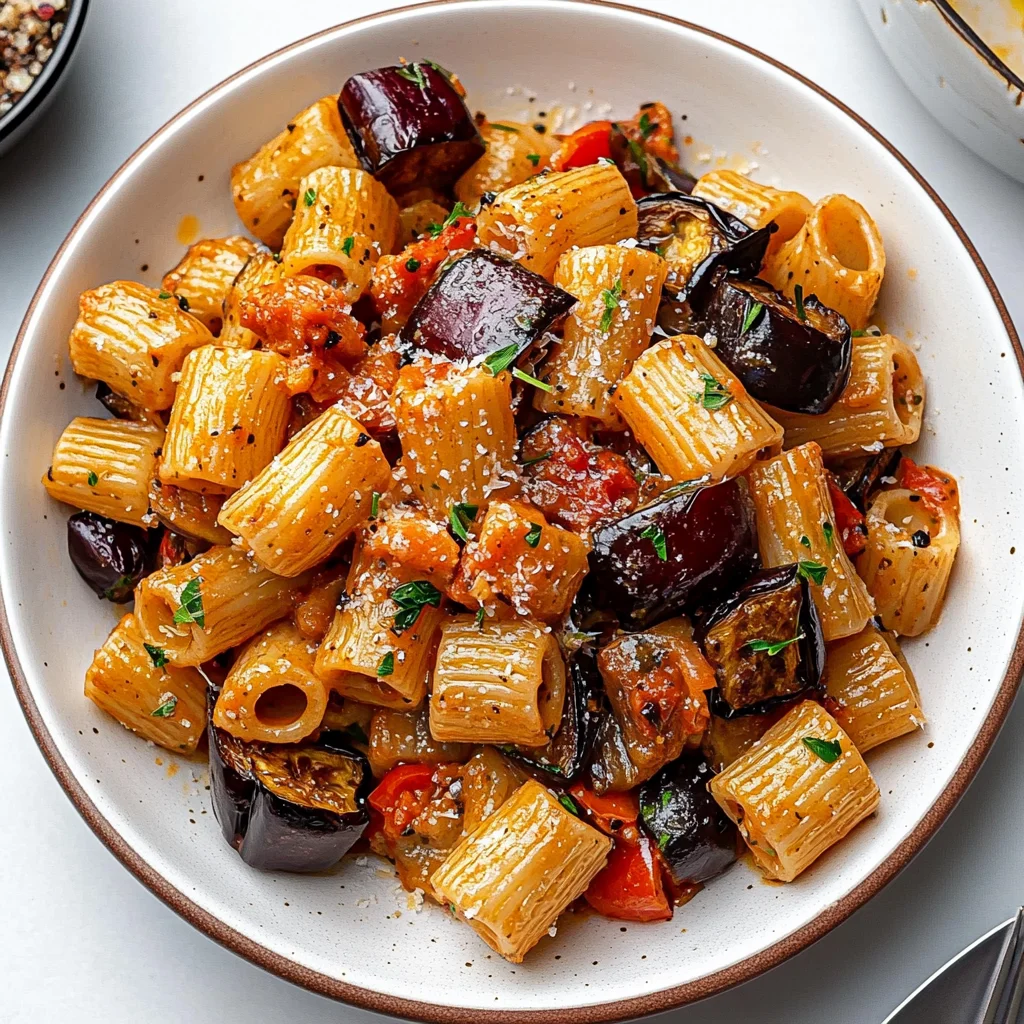
This Roasted Eggplant Pasta is a celebration of deep, caramelized flavors and creamy textures, transforming simple vegetables into a luxurious sauce. After testing various methods, I’ve found roasting the eggplant is the key—it concentrates the flavor and creates a melt-in-your-mouth consistency that clings beautifully to pasta. It’s a hearty, satisfying dish that feels restaurant-worthy but is deceptively simple to make at home.
Ingredients
Quality ingredients make all the difference here. Using a good extra-virgin olive oil for roasting and finishing, along with very ripe tomatoes, builds a rich, complex base for the sauce without needing hours of simmering.
- 1 3/4-2 pounds globe eggplant (about 2 medium, cut into 1-inch cubes)
- 6 tablespoons extra-virgin olive oil, divided
- Kosher salt and freshly cracked black pepper
- 1 1/2 cup cherry tomatoes (any color or variety will work)
- 2 very ripe large tomatoes
- 1/2 medium onion, diced
- 4 garlic cloves, thinly sliced
- 1/2 teaspoon crushed red pepper flakes, or more to taste (optional)
- 12 ounces pasta (such as rigatoni, ziti, paccheri, canneroni, or any short, tubular shape)
- 1/4 cup chopped fresh basil leaves, plus more for serving
- grated Parmesan cheese, for serving
Timing
| Prep Time | 20 minutes |
| Cook Time | 40 minutes |
| Total Time | 1 hour |
Context: While the eggplant roasts, you can prep the remaining sauce ingredients and boil your pasta water, making the active cook time feel shorter. This efficient timeline makes it a fantastic option for a flavorful weekend meal or a relaxed weeknight dinner.
Step-by-Step Instructions
Step 1 — Roast the Eggplant and Tomatoes
Preheat your oven to 425°F (220°C). On a large, rimmed baking sheet, toss the cubed eggplant and cherry tomatoes with 4 tablespoons of the olive oil. Season generously with salt and black pepper. Spread in a single layer—this is crucial for proper caramelization, not steaming. Roast for 25-30 minutes, tossing halfway, until the eggplant is deeply golden and tender.
Step 2 — Build the Aromatics
While the vegetables roast, heat the remaining 2 tablespoons of olive oil in a large skillet or Dutch oven over medium heat. Add the diced onion and cook, stirring occasionally, until softened and translucent, about 5-7 minutes. Add the sliced garlic and crushed red pepper flakes (if using), and sauté for just 1 minute until fragrant—be careful not to burn the garlic.
Step 3 — Create the Tomato Base
Grate the two large, ripe tomatoes directly into the skillet with the onions. To grate, cut the tomatoes in half and rub the cut side against the large holes of a box grater held over the pan; the skin will remain in your hand. Stir this fresh tomato pulp into the aromatics and let it simmer for 8-10 minutes until it thickens slightly.
Step 4 — Combine Roasted Vegetables with Sauce
Once the eggplant and cherry tomatoes are done, add them directly from the baking sheet into the skillet with the tomato base. Use a wooden spoon to gently mash some of the roasted cherry tomatoes and eggplant pieces—this helps them integrate into the sauce and creates a wonderfully textured, chunky consistency.
Step 5 — Cook the Pasta
While the sauce simmers, bring a large pot of well-salted water to a boil. Cook your chosen pasta according to package directions until al dente. Reserve about 1 cup of the starchy pasta water before draining. (Pro tip: The starchy water is a secret weapon for adjusting sauce consistency.)
Step 6 — Finish and Serve the Dish
Add the drained pasta directly to the skillet with the roasted eggplant sauce. Toss everything together, adding splashes of the reserved pasta water as needed to loosen the sauce and help it coat each piece. Remove from heat and stir in the chopped fresh basil. Serve immediately, topped with more basil and plenty of grated Parmesan cheese.
Nutritional Information
| Calories | ~450 |
| Protein | 14g |
| Carbohydrates | 68g |
| Fat | 16g |
| Fiber | 12g |
| Sodium | ~480mg |
This roasted eggplant pasta recipe is a good source of fiber and plant-based protein, with notable amounts of Vitamin C from the fresh tomatoes and potassium from the eggplant. Note: Estimates are based on typical ingredients and a 1.5-cup serving size. Values may vary with specific brands or ingredient swaps.
Healthier Alternatives
- Whole-Wheat or Legume-Based Pasta — Increases fiber and protein content for a more filling, nutrient-dense pasta dish.
- Spiralized Zucchini or Hearts of Palm Noodles — A fantastic lower-carb option that still carries the creamy sauce beautifully.
- Nutritional Yeast or Vegan Parmesan — For a dairy-free, cheesy flavor that keeps the dish vegan-friendly.
- Reduce Added Salt — Rely on the natural umami from roasted eggplant and use fresh herbs for a low-sodium version.
- Add Plant-Based Protein — Stir in a can of rinsed lentils or white beans with the sauce for an extra protein and fiber boost.
- Air-Fry the Eggplant — Use an air fryer at 400°F for 15-20 minutes to achieve caramelization with less oil.
Serving Suggestions
- Serve this rustic pasta with a simple arugula salad dressed with lemon juice and olive oil for a bright contrast.
- For a heartier meal, top with grilled chicken breast, shrimp, or Italian sausage.
- Pair with a medium-bodied red wine like a Chianti or a crisp white like Pinot Grigio.
- Garnish with toasted pine nuts or walnuts for added crunch and healthy fats.
- Perfect for a casual dinner party—it’s a crowd-pleaser that can be mostly made ahead.
- Pack leftovers cold for a flavorful pasta salad lunch the next day.
This dish is wonderfully versatile across seasons. In summer, use peak garden tomatoes and basil; in winter, it brings comforting, roasted warmth to the table.
Common Mistakes to Avoid
- Mistake: Crowding the baking sheet, which steams the eggplant instead of roasting it. Fix: Use two sheets if needed to ensure a single layer for proper caramelization.
- Mistake: Skipping the pasta water reserve. Fix: Always save at least 1 cup of the starchy liquid; it’s essential for creating a silky sauce that clings to the pasta.
- Mistake: Burning the garlic in Step 2. Fix: Add it last and sauté for only 45-60 seconds until fragrant but not browned.
- Mistake: Under-salting the eggplant before roasting. Fix: Season generously; salt draws out moisture and is key to developing deep flavor.
- Mistake: Overcooking the pasta. Fix: Cook only to al dente, as it will continue to soften slightly when tossed with the hot sauce.
- Mistake: Adding the fresh basil too early. Fix: Stir it in off the heat just before serving to preserve its bright color and fresh aroma.
Storing Tips
- Fridge: Store leftover eggplant pasta in an airtight container for up to 5 days. The flavors often meld and improve by the second day.
- Freezer: Freeze in portion-sized containers for up to 3 months. Thaw overnight in the fridge. Note: The texture of the eggplant may become slightly softer upon reheating.
- Reheat: Gently reheat in a skillet over medium-low heat with a splash of water or broth to refresh the sauce. Microwave reheating is fine; cover and use 60-second intervals, stirring in between.
For meal prep, you can roast the eggplant and make the sauce base up to 3 days in advance. Store separately in the fridge and combine with freshly cooked pasta when ready to serve for the best texture.
Conclusion
This Roasted Eggplant Pasta delivers a uniquely creamy, savory sauce that feels indulgent yet is packed with wholesome vegetables. It’s the perfect dish to showcase how simple techniques can create extraordinary flavor. For a complete Italian-inspired meal, serve it alongside a Massive Classic Italian Salad Recipe. Try this recipe and share your results in the comments!
Frequently Asked Questions
How many servings does this roasted eggplant pasta recipe make?
This recipe yields 4 generous main-course servings. For a lighter meal or as part of a larger spread with sides like the 10-Minute Mediterranean Chickpea Salad Recipe, it can comfortably serve 5 to 6 people. The serving size is based on a standard 3-ounce portion of dry pasta per person.
Can I use a different type of eggplant for this pasta?
Yes, you can use other varieties. Japanese or Chinese eggplant work well; slice them into half-moons instead of cubes as they are less dense. For a larger, meatier option, try a globe eggplant as specified. I’ve tested both and find the key is adjusting the roast time slightly for thinner varieties to prevent drying out.
Why did my roasted eggplant turn out mushy instead of creamy?
Why did my roasted eggplant turn out mushy instead of creamy?
This usually happens from overcrowding the pan or roasting at too low a temperature, which steams the eggplant. For the ideal creamy interior with caramelized edges, ensure pieces are in a single layer on a preheated sheet at 425°F. According to professional kitchen tests, proper air circulation is the most critical factor for texture.
PrintEggplant and Fresh Tomato Pasta
Ingredients
- 1 3/4–2 pounds pounds globe eggplant ((about 2 medium) cut into 1-inch cubes)
- 6 tablespoons extra-virgin olive oil, (divided)
- Kosher salt and freshly cracked black pepper
- 1 1/2 cup cherry tomatoes (any color or variety will work)
- 2 very ripe large tomatoes
- 1/2 medium onion, diced
- 4 garlic cloves, (thinly sliced)
- 1/2 teaspoon crushed red pepper flakes, or more to taste (optional)
- 12 ounces pasta (such as rigatoni, ziti, paccheri, canneroni, or any short, tubular shape)
- 1/4 cup chopped fresh basil leaves, (plus more for serving)
- grated Parmesan cheese, (for serving )
Instructions
- Preheat oven to 425ºF. Place cubed eggplant on a large, rimmed sheet pan and drizzle with 3 tablespoons olive oil. Toss, and spread the eggplant in an even layer (use two sheet pans, if possible). Season with salt and pepper to taste and roast for 25 – 30 minutes until golden, tossing half way through.
- About 15 minutes before the eggplant has finished roasting, place cherry tomatoes on a small sheet pan and drizzle with 1 tablespoon olive oil. Roast until just starting to burst, about 10-12 minutes. Set aside.
- While the vegetables roast, make the tomato sauce. Cut a thin piece off the bottom of each tomato—the side opposite the stem. Starting at the cut end, grate each tomato on the largest holes of your box grater into a medium mixing bowl. Stop grating just before you reach the skin. Set aside. (Alternatively, you can roughly chop the tomatoes and blend just a few seconds until smooth but still pulpy.)
- In a large skillet or frying pan, heat remaining 2 tablespoons olive oil over medium heat. Cook the onion until slightly soft and translucent, about 3-4 minutes. Add the garlic and chili flakes, if using; cook for 30 more seconds.
- Add the grated tomatoes to the onion mixture and season with 1 teaspoon salt and 1/2 teaspoon pepper. Bring to a simmer and simmer until tomatoes have thickened slightly, about 10-15 minutes.
- Once the eggplant is ready, add it to the skillet along with the roasted cherry tomatoes. Reduce heat to very low while you cook the pasta.
- Bring a large pot of salted water to a boil. Cook the pasta until very al dente, about 2 minutes less than the package instructs. Save 1 cup of pasta water and drain the rest.
- Add the cooked pasta along with 1/2 cup of pasta water to the skillet and increase heat to medium. It will seem like a lot of pasta water but the eggplant will soak most of it up. Let it gently bubble away, stirring often until the sauce has thickened and the pasta is perfectly cooked, about 2-3 minutes. If the sauce looks dry, add more splashes of water, as needed. Remove from heat and add the chopped basil. Taste, and add more salt and/or pepper, if needed.
- Serve pasta drizzled with a little more olive oil, chopped basil, and a generous dusting of cheese.


2 Comments