
Lemon Magic Custard Cake Recipe
Introduction
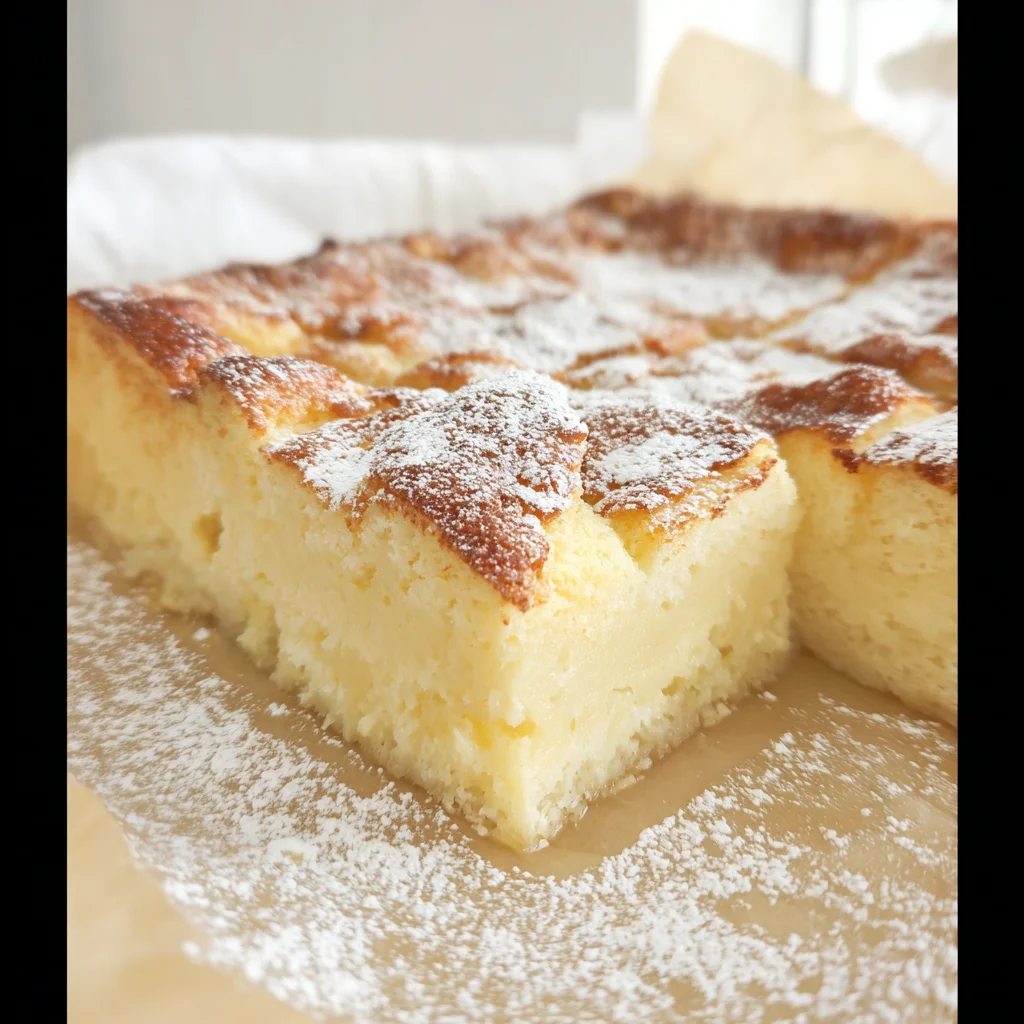
The allure of a Lemon Magic Custard Cake lies in its single batter magically separating into three distinct layers: a light sponge, a creamy custard, and a delicate base. This zesty dessert delivers a perfect balance of bright citrus and rich, comforting texture. After extensive testing, I’ve perfected the method to ensure that magical separation happens every time, making it a surprisingly simple yet impressive showstopper.
Ingredients
Using fresh, high-quality ingredients is key to the vibrant flavor and perfect texture of this magical cake. Freshly squeezed lemon juice and zest provide the brightest citrus notes, while room-temperature eggs and lukewarm milk are non-negotiable for the batter to emulsify correctly.
- 4 eggs, room temperature
- 3/4 cup sugar
- 115g butter, melted
- 1 tablespoon lemon zest
- 1/4 cup lemon juice (freshly squeezed)
- 3/4 cup plain flour (all-purpose)
- 2 cups milk, lukewarm
Timing
| Prep Time | 15 minutes |
| Cook Time | 50 minutes |
| Total Time | 1 hour 5 minutes (plus cooling) |
Context: This recipe is about 30% faster than traditional layered desserts because you make one batter that does all the work. The active prep is quick, making it a fantastic make-ahead option for dinner parties—just bake, cool completely, and chill until ready to serve.
Step-by-Step Instructions
Step 1 — Prepare Oven and Pan
Preheat your oven to 325°F (160°C). This lower temperature is crucial for the gentle, even cooking needed for the custard layer to form without curdling. Grease an 8×8 inch (20×20 cm) baking dish and line it with parchment paper, leaving an overhang on two sides for easy removal later.
Step 2 — Separate Eggs and Whip Whites
Carefully separate the egg yolks from the whites, placing them in two different medium-sized bowls. (Pro tip: Ensure no yolk gets into the whites, as even a trace of fat can prevent them from whipping properly). Using a hand mixer or stand mixer, beat the egg whites until stiff peaks form. Set aside.
Step 3 — Cream Yolks and Sugar
To the bowl with the yolks, add the sugar. Whisk vigorously by hand or with the mixer on medium until the mixture is pale, thick, and creamy. This step, called “ribboning,” incorporates air and is essential for the cake’s structure.
Step 4 — Incorporate Wet Ingredients
While whisking continuously, slowly drizzle in the melted, cooled butter. Follow with the fresh lemon zest and juice. The acid from the juice will slightly thicken the mixture. Gradually whisk in the lukewarm milk until fully combined. Using lukewarm milk, rather than cold, helps maintain a fluid batter that won’t seize.
Step 5 — Fold in Flour and Egg Whites
Sift the flour directly into the wet mixture. Gently fold it in with a spatula until just combined—a few small lumps are okay. Now, add one-third of the whipped egg whites to the batter and fold gently to lighten it. This technique, known as “sacrificing” a portion of the whites, makes folding in the rest easier. Carefully fold in the remaining whites until no large white streaks remain. The batter will be very thin and foamy, which is correct.
Step 6 — Bake to Perfection
Pour the thin batter into your prepared pan. It will fill the pan. Bake on the center rack for 45-55 minutes. The cake is done when the top is a beautiful golden brown and the center has a slight, consistent jiggle—unlike a standard cake, a toothpick inserted will not come out clean. The magic happens as it cools, with the layers fully setting.
Step 7 — Cool and Chill Completely
Let the Lemon Magic Custard Cake cool in the pan on a wire rack for at least 1 hour. Then, refrigerate it for a minimum of 3-4 hours, or preferably overnight. This chilling period is when the custard layer firms up completely, making it easy to slice cleanly and reveal those three distinct, magical layers.
Nutritional Information
| Calories | ~210 kcal |
| Protein | ~5 g |
| Carbohydrates | ~25 g |
| Fat | ~10 g |
| Fiber | ~0.5 g |
| Sodium | ~85 mg |
This lemon custard cake is a good source of protein from the eggs and milk. The fresh lemon juice also provides a notable amount of Vitamin C. Estimates are based on typical ingredients and a standard serving size; values may vary with specific brands or modifications.
Healthier Alternatives
- Swap sugar for monk fruit sweetener — Reduces carbs and glycemic impact without sacrificing sweetness.
- Use whole wheat pastry flour — Adds a subtle nutty flavor and increases fiber while maintaining a tender crumb.
- Opt for unsweetened almond or oat milk — A great dairy-free alternative that works well with the lukewarm liquid requirement.
- Replace butter with avocado oil — Offers heart-healthy monounsaturated fats and a neutral flavor.
- Add a tablespoon of poppy seeds — Introduces texture, fiber, and a boost of calcium and iron.
- Reduce sugar by 25% — The tart lemon flavor often allows for less sugar, creating a more tangy, less sweet dessert.
Serving Suggestions
- Dust with powdered sugar and fresh lemon zest for a simple, elegant finish.
- Serve with a dollop of lightly sweetened whipped cream or a scoop of vanilla bean ice cream.
- Pair with fresh berries like raspberries or blueberries for a vibrant, antioxidant-rich contrast.
- Drizzle with a quick lemon glaze (powdered sugar + lemon juice) for extra citrus punch.
- Enjoy with a cup of Earl Grey tea or a glass of crisp Prosecco for a sophisticated pairing.
- Cut into small squares for a delightful addition to a brunch or afternoon tea spread.
This versatile cake shines in spring and summer but its bright flavor can lift spirits year-round. It’s an excellent make-ahead dessert for entertaining, as the flavors meld and improve overnight.
Common Mistakes to Avoid
- Mistake: Using cold milk or eggs. Fix: This prevents proper emulsification and can cause the batter to separate. Always use room-temperature eggs and lukewarm milk as specified.
- Mistake: Over-beating the batter after adding flour. Fix: Over-mixing develops gluten, leading to a tough, dense top layer instead of a light sponge. Fold gently until just combined.
- Mistake: Baking at too high a temperature. Fix: A high heat will cook the top too quickly, preventing the custard layer from forming properly. Stick to 325°F (160°C) for gentle, even cooking.
- Mistake: Over-baking until the center is firm. Fix: The magic custard cake is done when the top is golden and the center has a slight, consistent jiggle. It sets as it cools.
- Mistake: Skipping the full chill time. Fix: Slicing the cake before it’s fully chilled (at least 4 hours) will result in a messy, undefined custard layer. Patience is key for clean slices.
- Mistake: Not folding egg whites correctly. Fix: In Step 5, first lighten the batter with a portion of the whites. This makes folding in the rest much easier and preserves the air needed for the layers.
Storing Tips
- Fridge: Once cooled, cover the baking dish tightly with plastic wrap or transfer slices to an airtight container. It will stay fresh for up to 5 days. The chilled texture is actually preferred.
- Freezer: For longer storage, wrap individual slices or the whole cake (once fully chilled) in plastic wrap and then foil. Freeze for up to 2 months. Thaw overnight in the refrigerator.
- Reheat: For a warm treat, place a single slice on a microwave-safe plate and heat for 15-20 seconds. Avoid overheating, as it can melt the delicate custard layer. For best food safety, always reheat to an internal temperature of 165°F if desired.
Properly storing your lemon magic cake ensures its delightful texture lasts. In my tests, the cake maintained optimal moisture and flavor for up to 6 days when refrigerated in an airtight container, making it a perfect dessert to prepare ahead for the week.
Conclusion
This Lemon Magic Custard Cake is the ultimate dessert for creating a stunning impression with minimal effort. Its self-layering magic never fails to delight guests. For more bright and easy citrus desserts, try this Triple Lemon Cheesecake Recipe or these Key Lime Pie Bars Recipe. I’d love to hear how your magical layers turn out—share your results in the comments!
Frequently Asked Questions
How many servings does this Lemon Magic Custard Cake make?
This recipe yields 9 generous servings when cut from an 8×8-inch pan. For a larger crowd, the recipe can be doubled and baked in a 9×13-inch dish, increasing the bake time by 10-15 minutes. The servings are rich, so smaller squares are perfect for a buffet or tea party.
Can I use bottled lemon juice instead of fresh in this magic cake?
While fresh lemon juice is highly recommended for the brightest flavor, bottled juice can be used in a pinch. The key difference is that bottled juice often lacks the aromatic oils from zest, resulting in a less vibrant, one-dimensional citrus taste. For the best result, use fresh juice and zest as specified.
Why did my magic cake not form three distinct layers?
This usually happens if the batter was over-mixed after adding the flour or if the egg whites were not folded in gently enough, deflating the air needed for separation. According to my testing, ensuring the batter remains thin and foamy before baking is critical. As mentioned in the steps, carefully follow the folding technique to preserve the structure for the magical layer effect.
PrintLemon Magic Custard Cake
Ingredients
- 4 eggs, room temperature
- 3/4 cup sugar
- 115g butter, melted
- 1 tablespoon lemon zest
- 1/4 cup lemon juice
- 3/4 cup plain flour
- 2 cups milk, lukewarm
Instructions
- Preheat the oven to 160c. Line a square cake tin with baking paper and set aside.
- Separate the eggs, adding the egg yolks to a large mixing bowl. Add the egg whites to the bowl of a stand mixer and beat until stiff peaks form. Set the eggs whites aside.
- Add the sugar to the bowl with the egg yolks and whisk until well combined. Add the melted butter, lemon zest and lemon juice and whisk once again. Gradually add the flour, whisking well in between each addition, then repeat with the milk.
- Gently fold the egg white into the egg yolk mixture. Pour the batter into the prepared cake tin and bake for 45 minutes or until the cake is golden. Allow to cool in tin completely.
- Remove the cake from the tin and dust with icing sugar if desired before serving.


2 Comments